Despite strong physical and cultural ties to the coast, most Washington residents have significant knowledge gaps when it comes to the waters that surround them: for example, according to a 2022 report from the SeaDoc Society only five percent of Washingtonians could name the Salish Sea — the marine ecosystem that spans the United States-Canada border which includes Puget Sound.
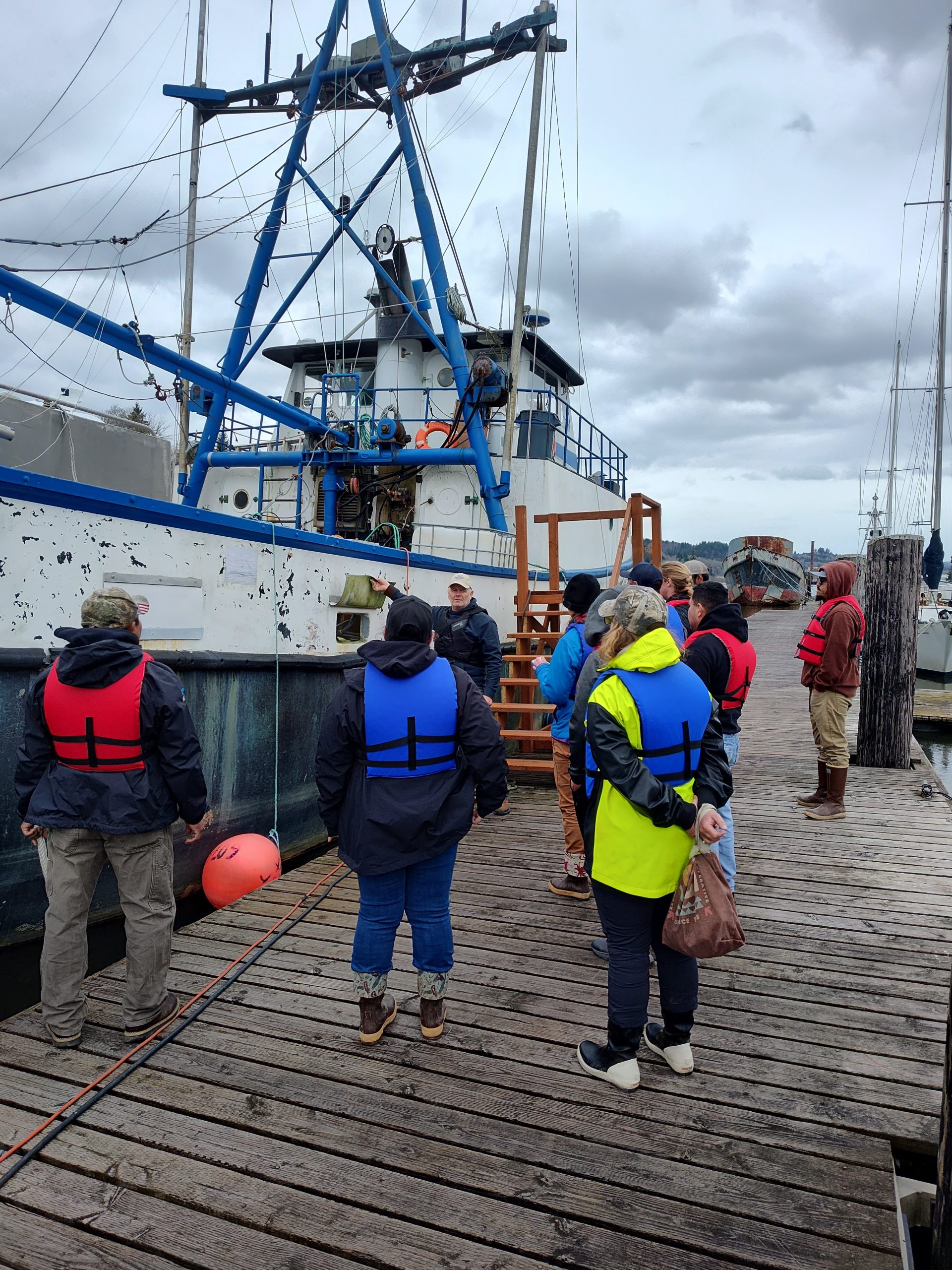
WSG helps learners of all ages understand how the ocean affects them and how they affect the ocean. By partnering with K-12 educators and marine-related organizations, WSG reaches a greater number of people and thereby expands awareness of the environment, enhances enjoyment of marine and coastal resources, and empowers environmental action and information sharing.
Ocean literacy is also critical to Washington’s ocean economy, which relies on a well-trained workforce capable of dealing with the complexity and diversity of its marine sector. Sustaining and replenishing this workforce is essential to the wider economy: nationally, the ocean sector supports one in six American jobs and 20 percent of all economic activity, but these industries face a looming crisis. Washington’s maritime workforce is older than the national average, and more workers now retire or quit the sector than enter it. These recruitment shortfalls reflect limited scholastic opportunities in the field and the underrepresentation of ocean-related content in state education standards. Many students and guidance counselors are unaware of the rewarding careers and exciting challenges the sea offers. WSG supports programs and opportunities that help to fill these important marine education needs.