WSG Crab Team
WSG Crab Team protects Washington shorelines from invasive European green crab through monitoring, research, and capacity-building across the state. Our goal is to minimize the spread of green crab populations and the harm caused to local species, habitats, and fisheries.
Green crab monitoring network
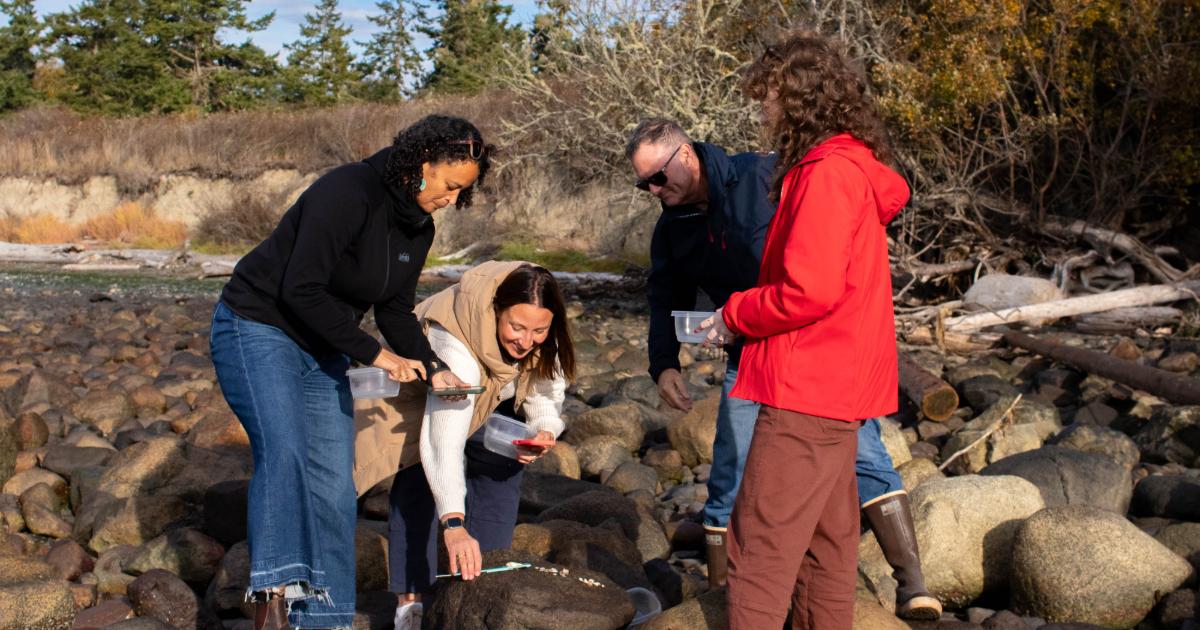
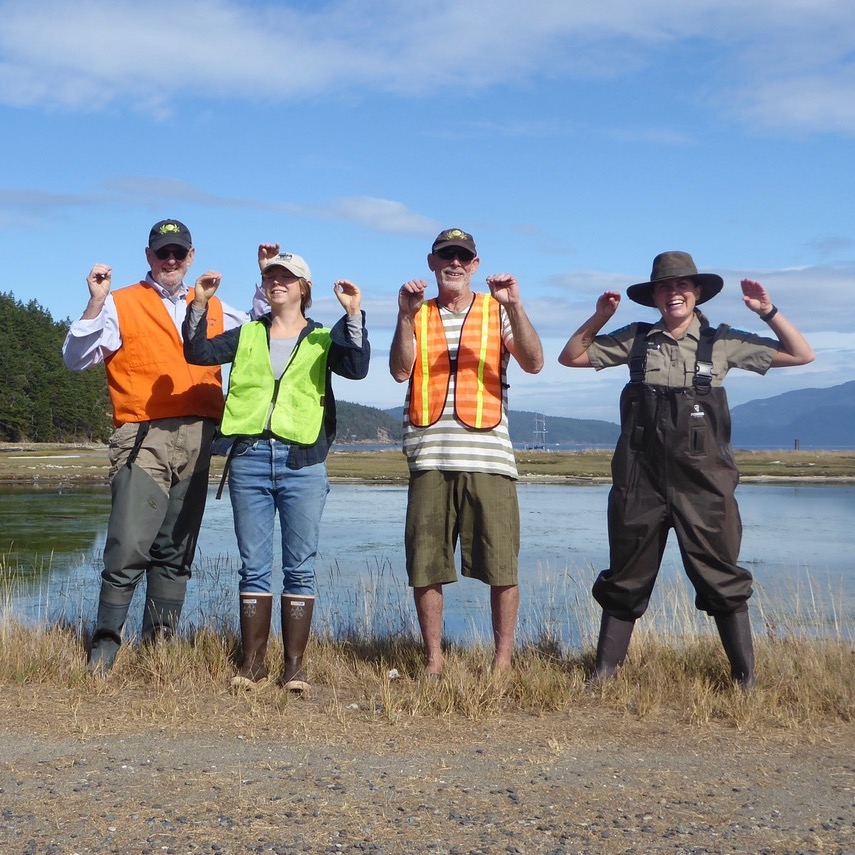
The Crab Team monitoring network is a participatory science program that tracks European green crab and other shoreline species at more than 65 monitoring sites across Washington. Small teams of trained monitors set traps, conduct molt surveys, and record all species observed monthly from April through September.
We welcome community members or staff at partner organizations to become monitors. Monitors should be comfortable carrying a small amount of gear over uneven terrain, occasionally working in imperfect weather conditions, walking in the mud, and handling crabs, fish, and other estuary critters. Because the timing of monitoring is tide-dependent, some availability during weekdays is helpful. We ask monitors to commit to at least 75% of the survey days. No prior experience in ecological monitoring or marine biology required — we will provide all necessary training and equipment.
We train new monitors in March each year to fill openings on existing teams. The three-part training series covers green crab ecology, species identification, and hands-on protocol practice through two virtual sessions and one half-day, in-person session.
Molt Search
Through Molt Search, trained community members contribute to early detection of invasive European green crab while also tracking native Dungeness crab across Washington’s shorelines.
As a participant, you’ll search for outgrown crab shells (“molts”), and report your findings through the MyCoast app or webpage. The timing and commitment is flexible; you’re welcome to search whenever, wherever, and as often as you’d like.
SoundToxins Harmful Algal Bloom (HAB) monitoring
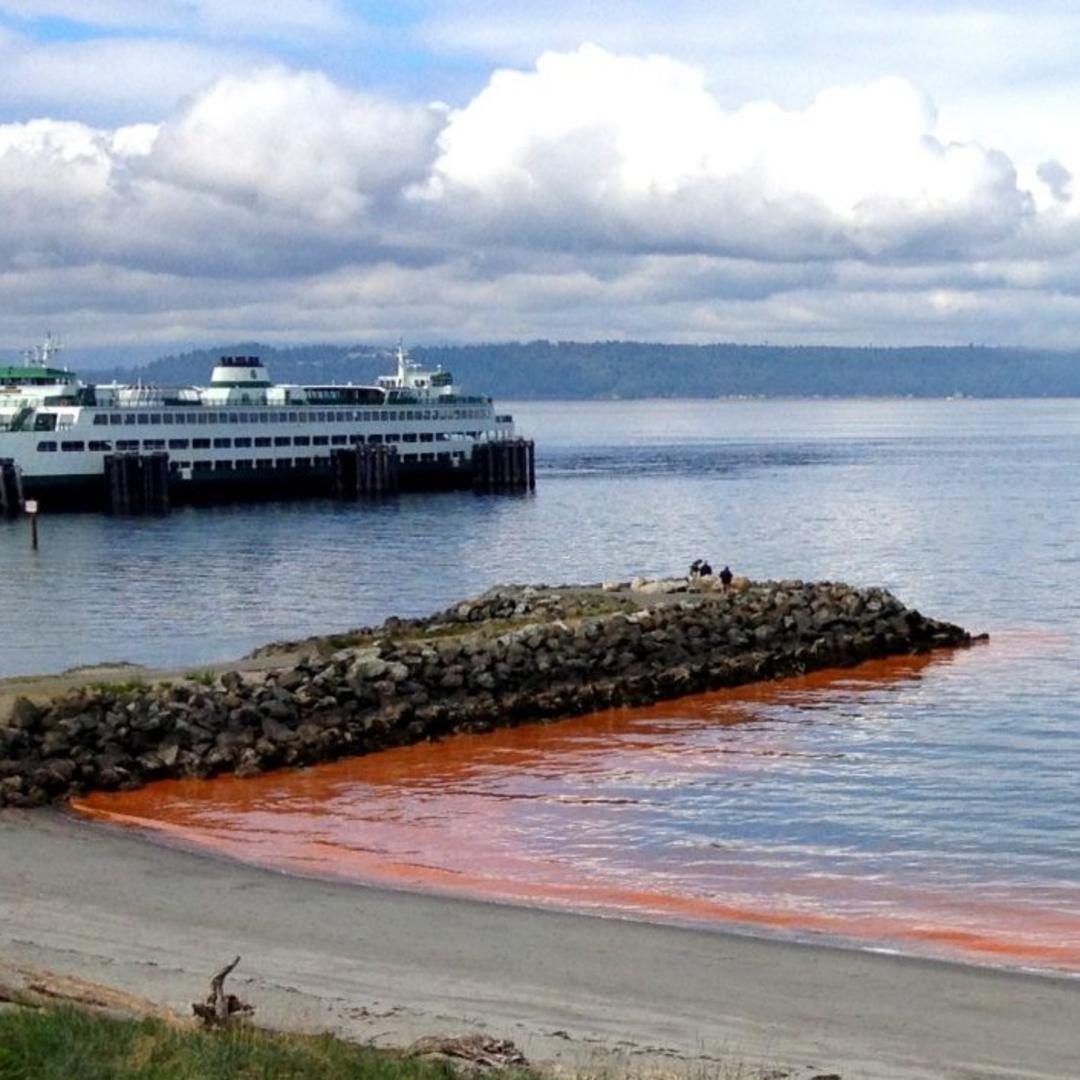
SoundToxins, a diverse partnership of Washington state shellfish and finfish growers, environmental learning centers, Native tribes, and Puget Sound volunteers, is a monitoring program designed to provide early warning of harmful algal bloom events in order to minimize both human health risks and economic losses to Puget Sound fisheries.
SoundToxins is assisting Washington Department of Health by providing early warning of harmful algal bloom events with phytoplankton monitoring. The SoundToxins partnership, through its weekly monitoring of phytoplankton at sites around Puget Sound, enables state officials to target shellfish monitoring at those sites with the greatest risk of HAB toxicity. If you are interested in becoming a volunteer or receiving additional information, email program manager Michelle Lepori-Bui at mdtlb@uw.edu.
 King Tides Program
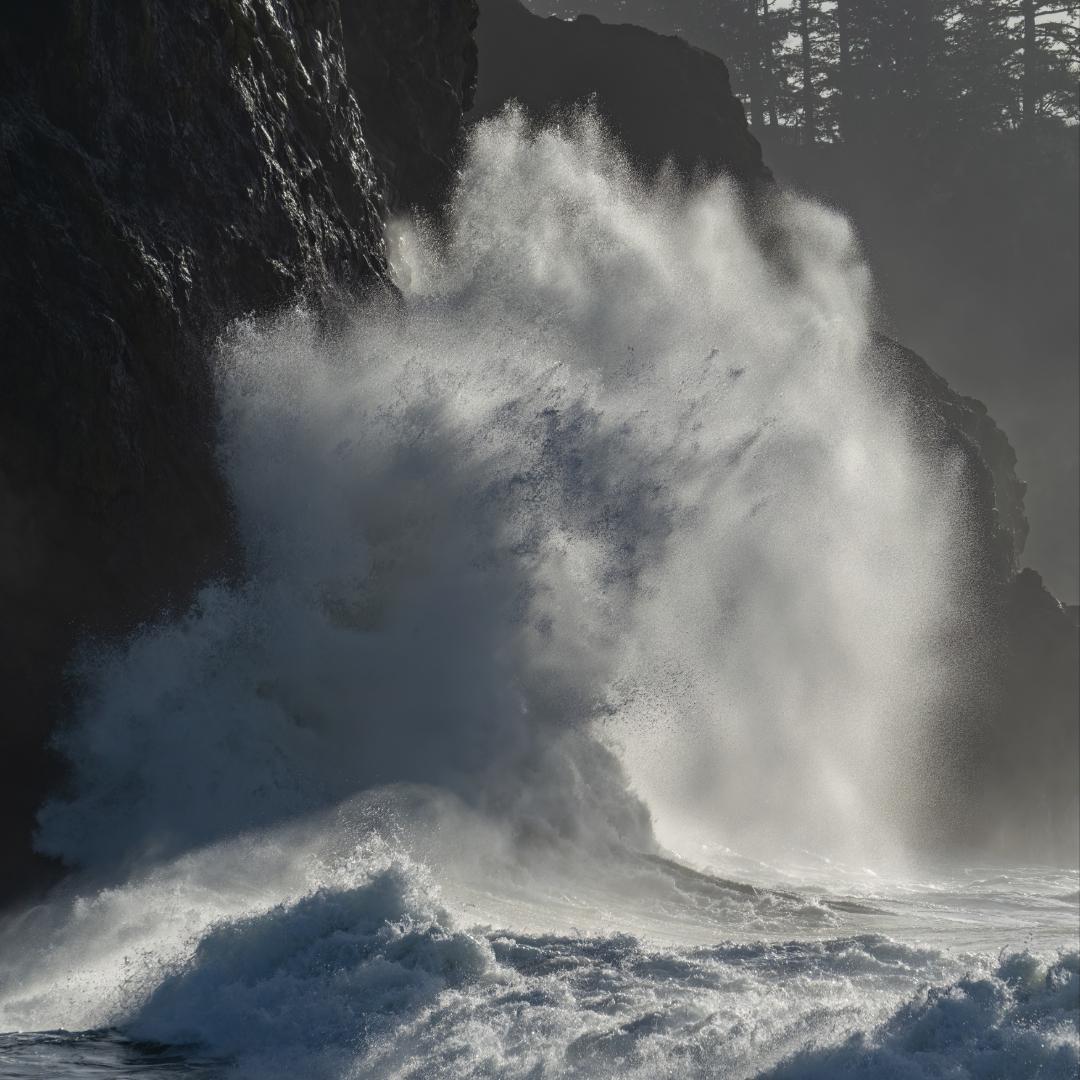
Ecosystems, infrastructure and people will be impacted by the phenomenon of environmental change and rising sea levels. The King Tides Program and community events inform coastal dwellers about yearly extreme tides. Community photos of king tides are posted on the MyCoast website.The website helps local communities and decision makers visualize the challenges we will face as the climate changes.
Kitsap Watershed Stewardship programs
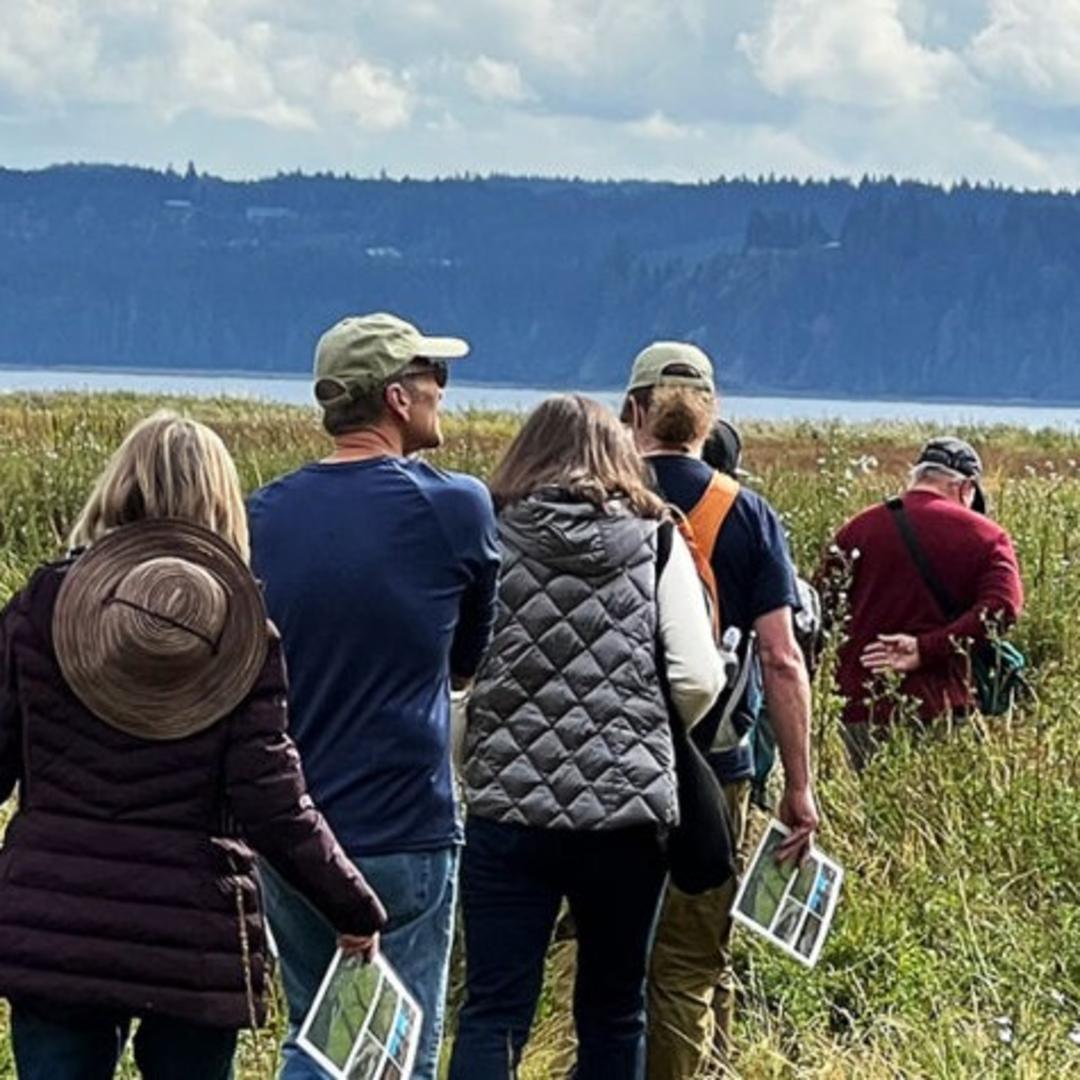
In collaboration with Washington State University’s Kitsap County Extension, Washington Sea Grant coordinates affordable classes, events and volunteer opportunities through the Kitsap Watershed Stewardship Programs.
These programs bring participants outside to explore Kitsap County’s fresh and salt water ecosystems and our relationship with them. Begin your adventure in lifelong learning and adventure with local experts and peers who share your interests. Our non-credit classes are open to the public, and once you’ve take a training you may choose to volunteer in many of the fun and diverse activities available around Kitsap County.