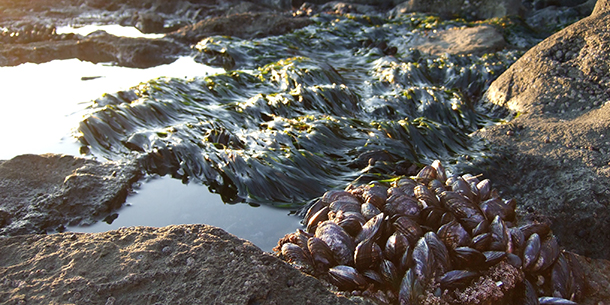
About a quarter of the carbon dioxide (CO2) we release into the atmosphere is absorbed by the ocean, where it chemically reacts with seawater in a way that’s making the ocean increasingly corrosive to organisms with calcium carbonate shells and skeletons, like oysters, crab and corals. This process, known as ocean acidification (OA) is having a range of harmful impacts on marine species and the human communities that rely on them.
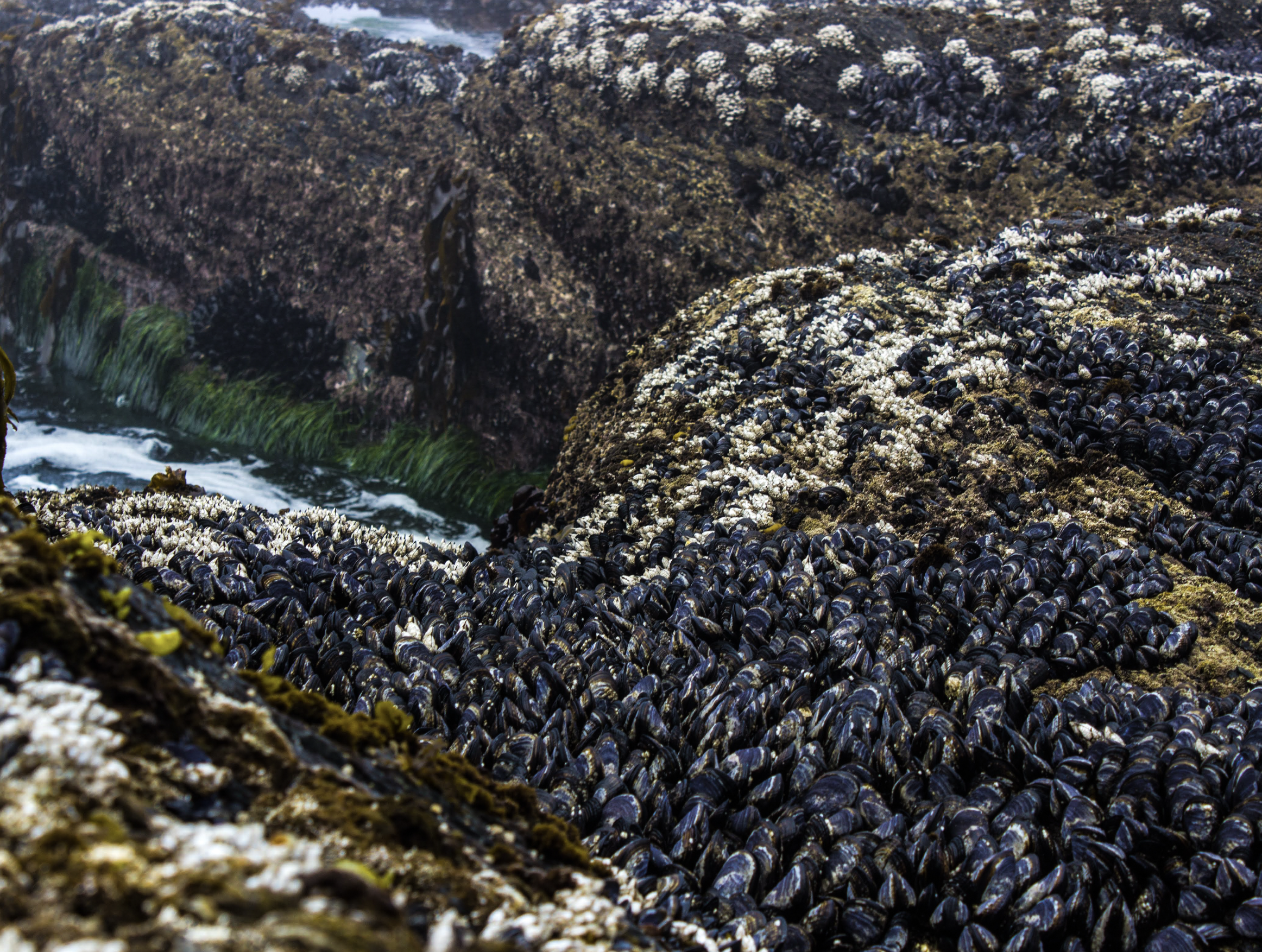
Our marine waters are a ‘hot spot’ for OA. Due to a combination of human and natural factors, acidification is more severe, and progressing faster in Washington state than in most other parts of the world. Washington Sea Grant is working with scientists, coastal communities, and policymakers to understand and mitigate the impacts of OA on marine wildlife, people’s livelihoods, cultural traditions, and the state’s economy.
Washington Sea Grant has been helping shellfish growers, Tribes, decision makers and Washington residents understand and address OA since scientists first linked mysterious die-offs in Pacific Northwest oyster hatcheries to CO2 emissions. We continue to both fund and participate in OA research, and connect coastal constituents to the latest research and potential solutions.
Ocean acidification outreach and education resources
What we do