
Aquaculture in the Pacific Northwest sits at the intersection of working waterfronts, coastal ecosystems and local food production, shaping how communities grow, harvest and steward marine resources.
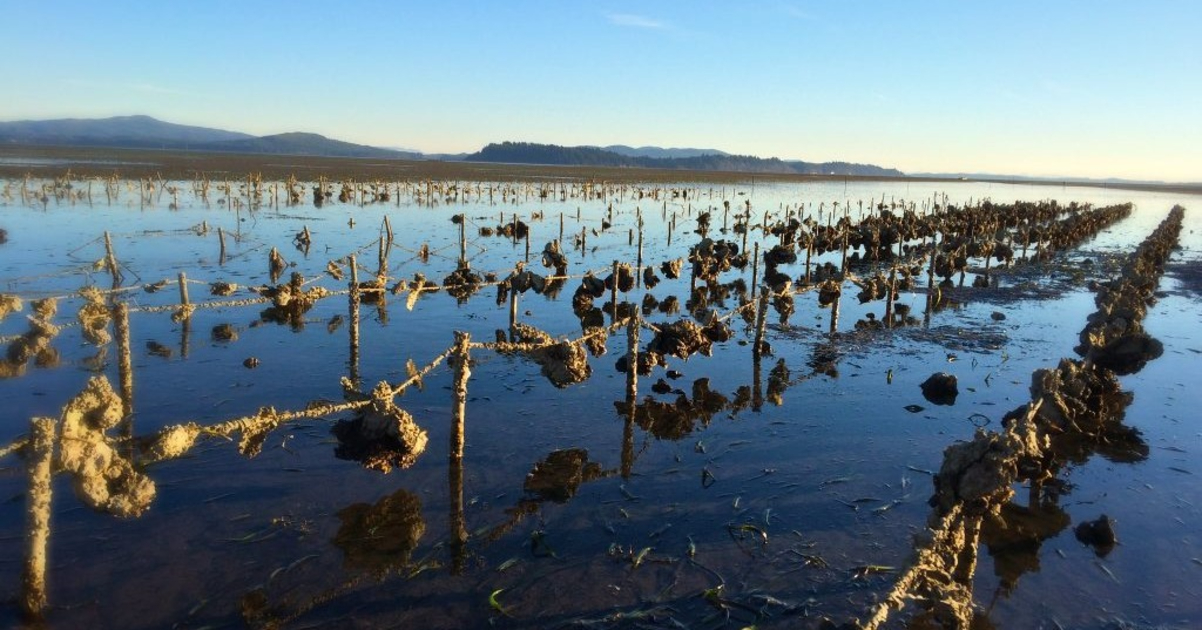
Washington state is the largest producer of shellfish in the U.S., with more than 300 shellfish farms that collectively account for 25 percent of domestic production. Washington’s annual bivalve sales amount to $150 million. Aquaculture businesses in the state — and the people and organizations who support them — are leaders towards the national priority of expanding sustainable aquaculture in the country. At the same time, the industry faces numerous challenges, including workforce shortages, warmer and acidified waters, increasing harmful algal blooms, pathogenic bacteria, and changing permitting processes and public perceptions.
For millennia, coastal Indigenous peoples have cultivated and harvested shellfish and come together to tend coastal beaches, share knowledge and cultural practices, and pass this knowledge on to the next generation. While many ancestral mariculture practices were lost over the past hundred years or more due to external forces, Indigenous communities in the region are revitalizing traditional techniques.
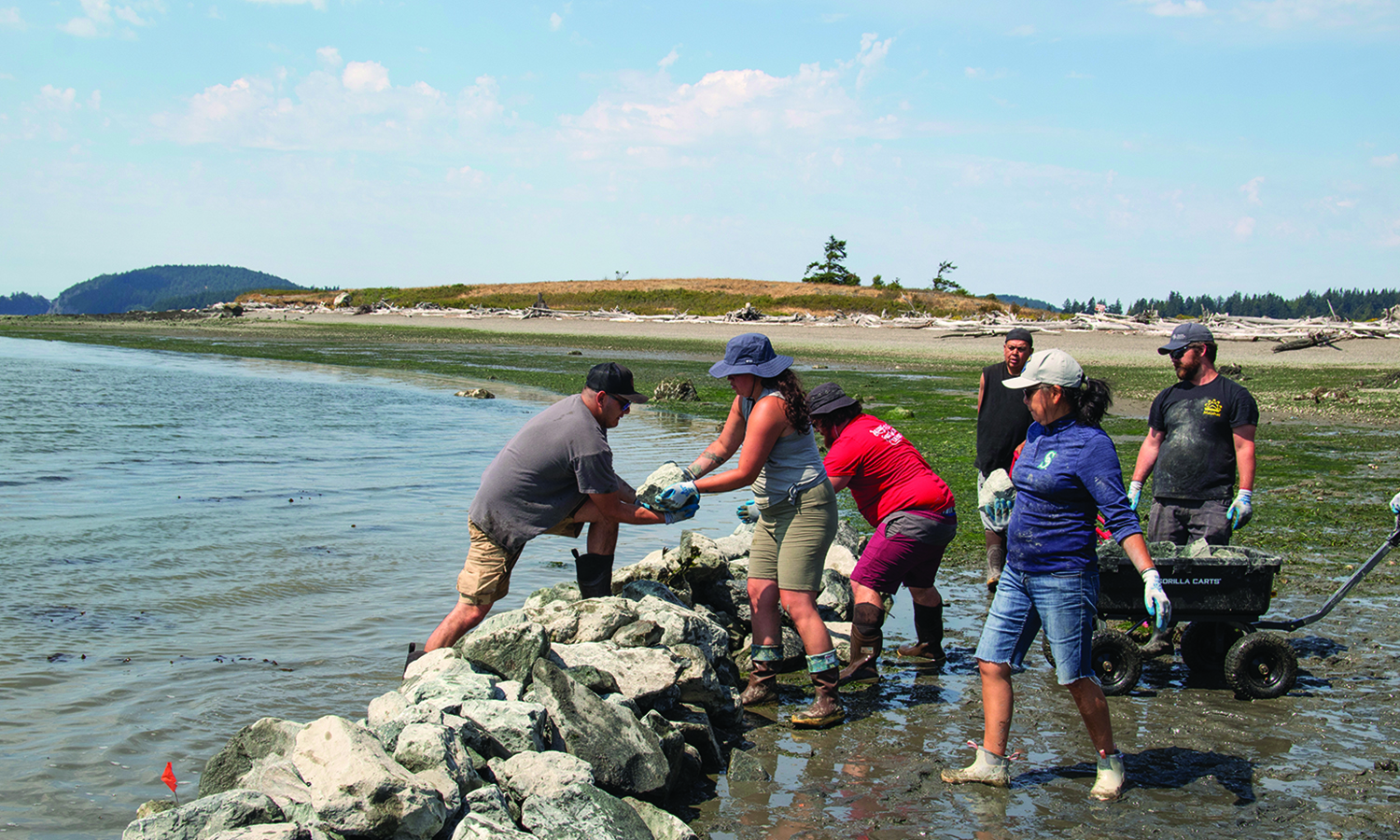
As ecosystems have changed, some native keystone shellfish and seaweed species, such as Olympia oysters and bull kelp, have declined. Restorative aquaculture efforts are essential to ensuring the future of these resources and the ecosystems that depend on them, and there are many initiatives and successful restoration stories to be found around the state.
From monitoring water quality and biotoxins to facilitating important gatherings and knowledge-sharing events, WSG provides direct solutions to many emerging problems in support of aquaculture in the state.
What we do
- Conference for Shellfish Growers
- Indigenous Aquaculture Collaborative
- Rapid Response Network
- SoundToxins harmful algal bloom monitoring
- Tide’s Out aquaculture workforce development
- Willapa-Grays Harbor Estuary Collaborative
- Kelp and seaweed
- Heaven on the Half Shell, a book published in partnership between WSG and UW Press
- WSG-funded research