Resources for current fellows
WSG Fellowships Handbook WSG Fellowships Google Drive Professional development
Current fellows
Washington NASA Space Grant/WSG Summer Undergraduate Researchers
2026
KAMILA NAGLE
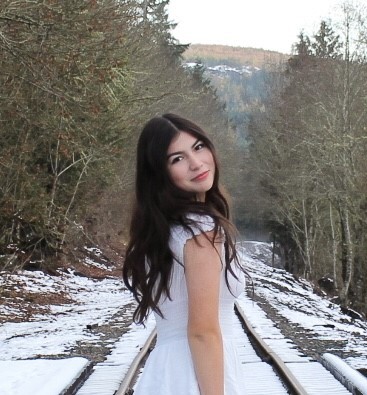 Kamila recently completed her Bachelor of Science in Environmental Science and Terrestrial Resource Management with a minor in Quantitative Science at the University of Washington, where her studies focused on Pacific Northwest ecosystems, forest ecology, and quantitative data analysis. She grew up in Puyallup, Washington, where the forests and landscapes nearby sparked an early curiosity about the natural world. As a first-generation college student, Kamila’s time at UW has been shaped by experiences that deepened both her scientific foundation and her sense of purpose, from field courses in forest ecology and plant identification to restoration volunteer work, statistical modeling in R, and serving as a Dean’s List student and member of the Sisterhood Initiative. These experiences have helped shape her drive and commitment to making science accessible to people who might not always see themselves represented in it.
At UW, Kamila built hands-on field research experience through Coastal Redwood seedling surveys at Pack Forest, cherry blossom phenology monitoring, and native species restoration work at the Center for Urban Horticulture. As a Washington NASA Space Grant student assistant, she developed and taught STEM programming and mentored BIPOC youth interested in science, which reinforced her belief that research is most meaningful when it connects back to the communities around us. Kamila is thrilled to be contributing to Washington Sea Grant’s work this summer and looks forward to the research experience, mentorship, and growth that will carry her into the next chapter of her scientific career.
WSG Marine Carbon Dioxide Removal Fellows
2026
MARIAH RICCI
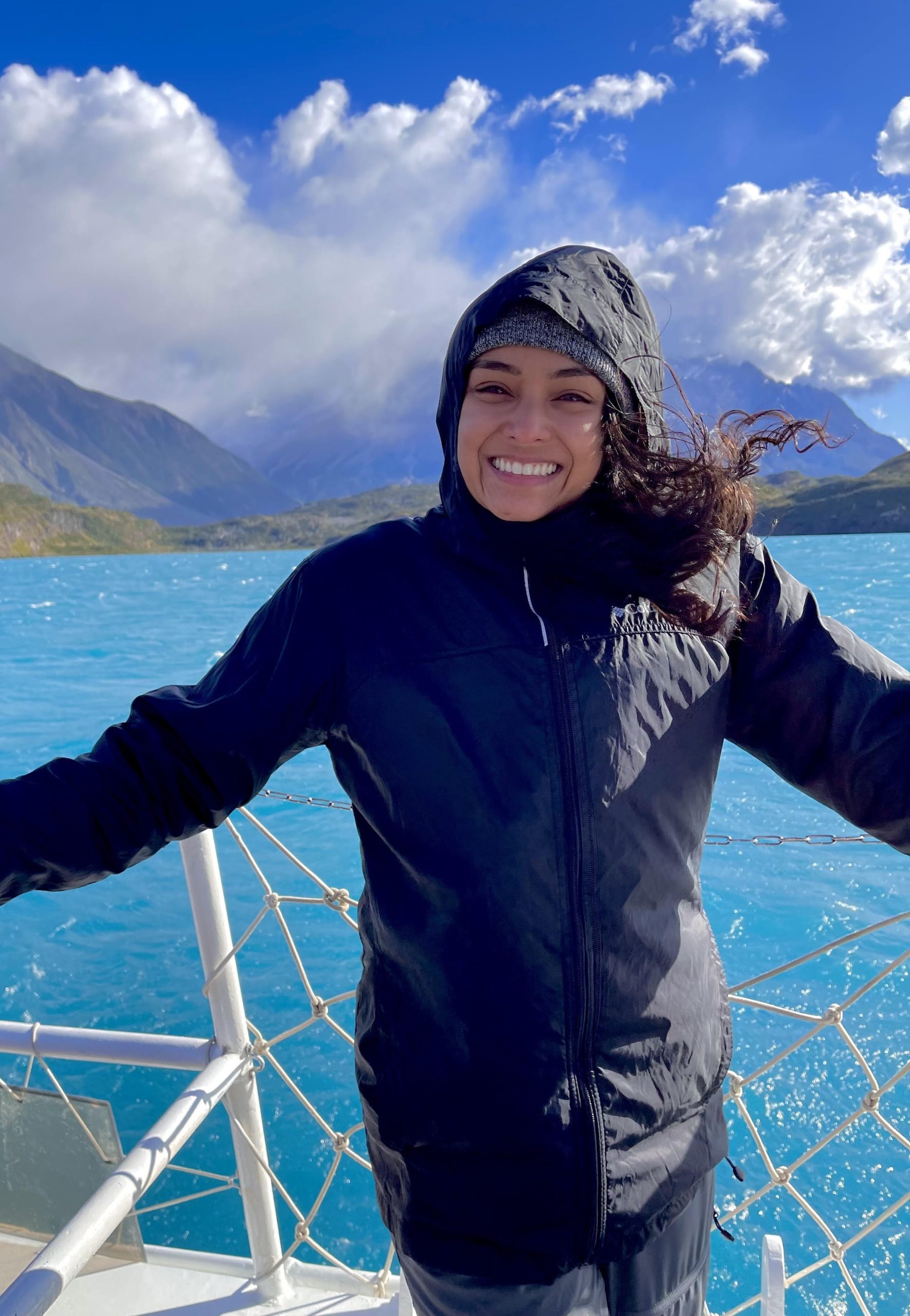 Mariah is a marine biogeochemist who grew up in Minnesota, where she earned her bachelor’s degree in biochemistry and biology. She is completing her PhD in Marine Sciences at the University of Georgia’s Skidaway Institute of Oceanography. Her research investigates how marine particles transport and transform nutrients across underexplored ocean regions, advancing our understanding of global biogeochemical cycles and their role in climate regulation. She has served as an analytical lead and data manager and spent extensive time at sea for major multi-institutional research campaigns, including as part of the international GEOTRACES program. Alongside her research, Mariah has been actively involved in outreach, community engagement, and DEI-focused initiatives — organizing community events, developing professional networking opportunities for marine science graduate students, and leading coastal cleanups.
As the 2026 Banyu Carbon mCDR Fellow, Mariah will work at the intersection of mCDR research and community engagement. She believes that if mCDR initiatives are going to move forward responsibly, they will require not only technically robust MRV systems, but also decision processes that are transparent and accountable to the people and places most connected to the outcomes. Based in Seattle with Banyu Carbon and WSG, she will convene a diverse group of coastal communities, rightsholders, modelers, and model users to advance community-informed mCDR modeling and MRV development in the Salish Sea region and support broader Pacific Northwest mCDR Node and BC/WA mCDR Community of Exploration efforts. Mariah’s goal is to lead work that strengthens the credibility and accountability of ocean-based climate interventions.
WSG Puget Sound Science Research Fellows
2025
GABE DIEPHUIS
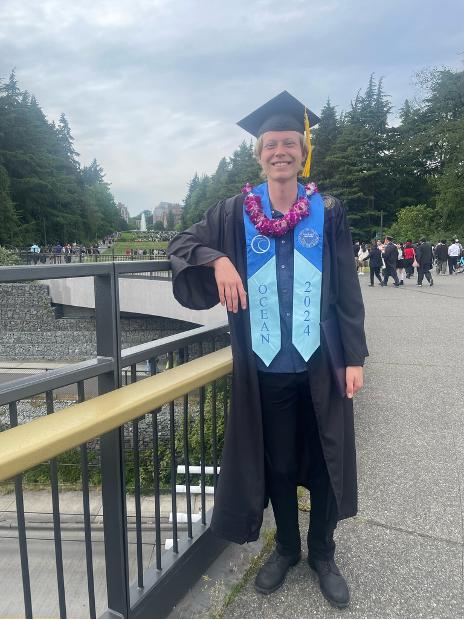 Gabe grew up in Whatcom County, Washington. He raised and released salmon fry at his high school’s salmon hatchery for the nearby Nooksack River tributary, which developed his passion for marine science and conservation. He graduated from University of Washington with a B.S. in Oceanography. At the UW, he worked in the Puget Sound Zooplankton Monitoring Project lab and completed a thesis on the growth rates of nanoplankton and grazing rates of microzooplankton in the east equatorial Pacific. This year he started a Master’s degree in environmental science at Western Washington University, studying the impact of porewater heterogeneity on sedimentary denitrification rates in Puget Sound. He is excited to contribute his research towards the Washington Sea Grant and Puget Sound Partnership’s missions to monitor the impacts and fate of pollution in Puget Sound as a Puget Sound Science fellow.
ISAAC OLSON
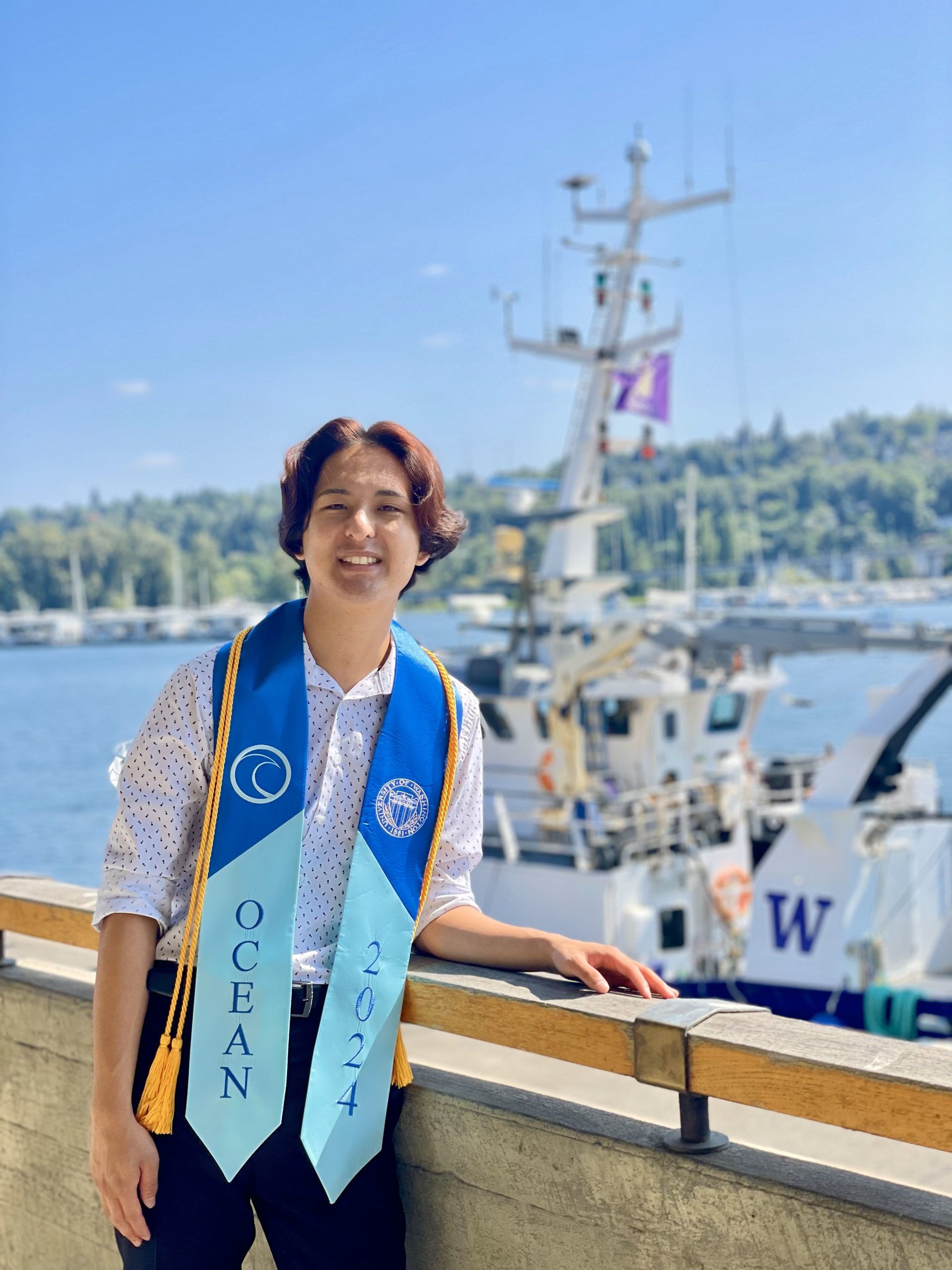 Isaac Olson is pursuing a master’s degree through the University of Washington School of Marine and Environmental Affairs. He is from Snohomish, Washington, and previously earned bachelor’s degrees at the UW in Oceanography and Environmental Studies. He researches and communicates how human-driven changes are affecting the oceans and the communities that depend on them, with a focus on driving societal change through outreach, education, and policy. He has experience studying and communicating a variety of anthropogenic ocean threats, including ocean acidification (OA), microplastics, harmful algal blooms, and anoxia. As a student assistant for WSG, he is working on communicating the impacts of changing carbon chemistry, including OA. As a Puget Sound Science Fellow, he intends to work on a master’s thesis researching the public perception of OA, how OA is communicated in informal marine education centers like aquariums, and how to overcome information gaps to drive local action to protect at-risk communities such as Puget Sound.
WSG Coastal Resilience Fellows
2026-2028
MORGAN DREIBELBIS
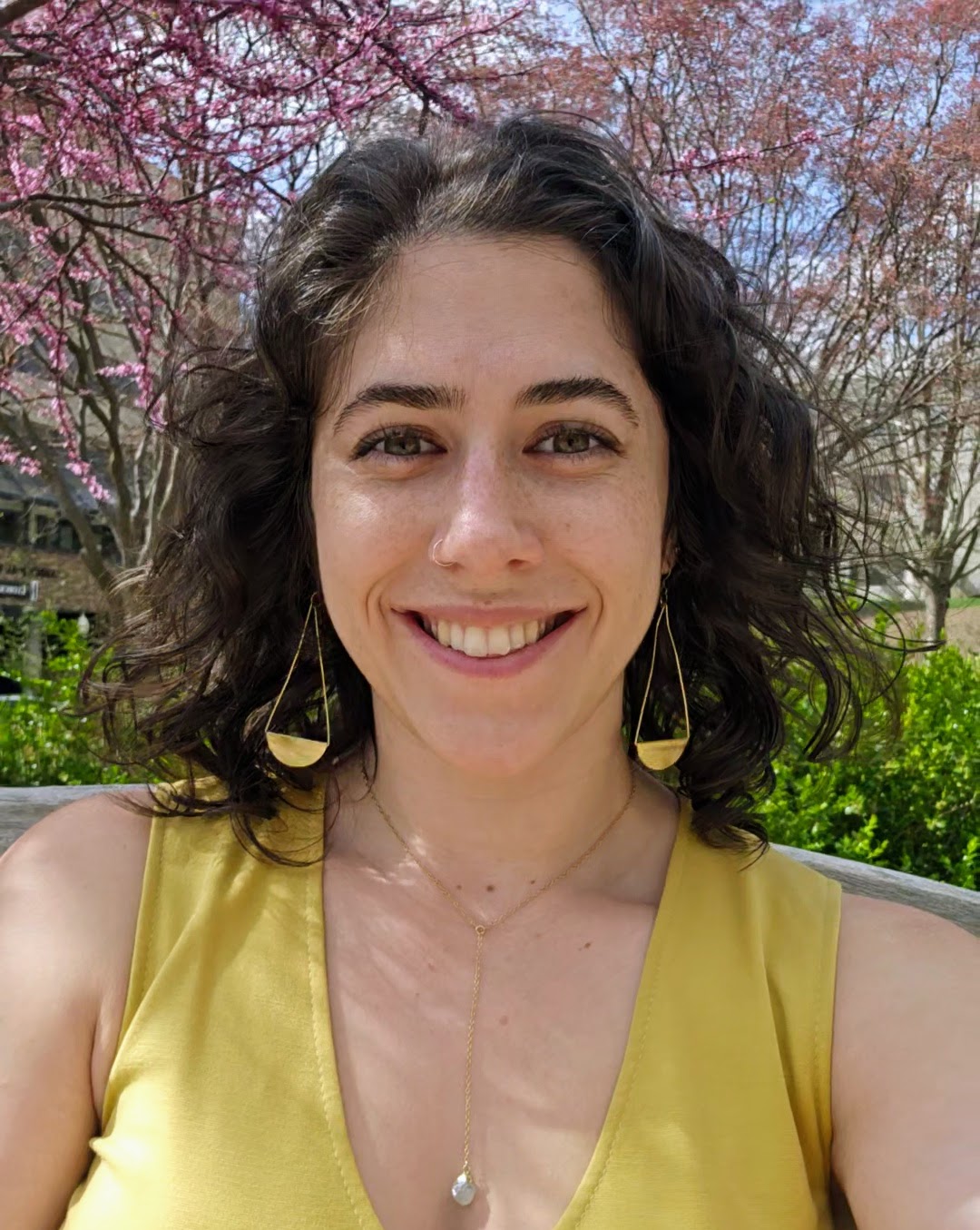 Morgan grew up in Vermont, spending her summers on the shores of Lake Champlain where she developed an interest in the unique challenges facing coastal communities and ecosystems from development, climate change, and insufficient resources to address these issues. While obtaining her bachelor’s degree at the University of Vermont in international environmental law and policy, Morgan was a legal research intern at the Natural Resources Board of Vermont and participated in the Vermont Legislative Research Service, co-authoring research reports on behalf of members of the Vermont Congress to inform legislative decision making. After graduation, she found a new home in Seattle, Washington where she worked as a paralegal. Inspired by the small communities she met along the Puget Sound and with the goal to return to Washington to work at the community level, Morgan left to pursue a dual master’s degree at the American University School for International Service in D.C. and the UN-mandated University for Peace in Costa Rica in international relations, natural resources and sustainable development. She found her passion in environmental peacebuilding, disaster recovery, and coastal resiliency, leading to the publication of her research on Dominica’s disaster recovery resiliency policy’s prioritization of tourism over agriculture, and the impact that has on domestic food security.
Morgan is excited to return to Washington and work with the Quileute Tribe through the Coastal Resilience Fellowship. This opportunity will combine her professional experience in the legal field with her passion for supporting coastal community resiliency and adaptation, indigenous sovereignty, and conservation.
CHELSEA KORBULIC
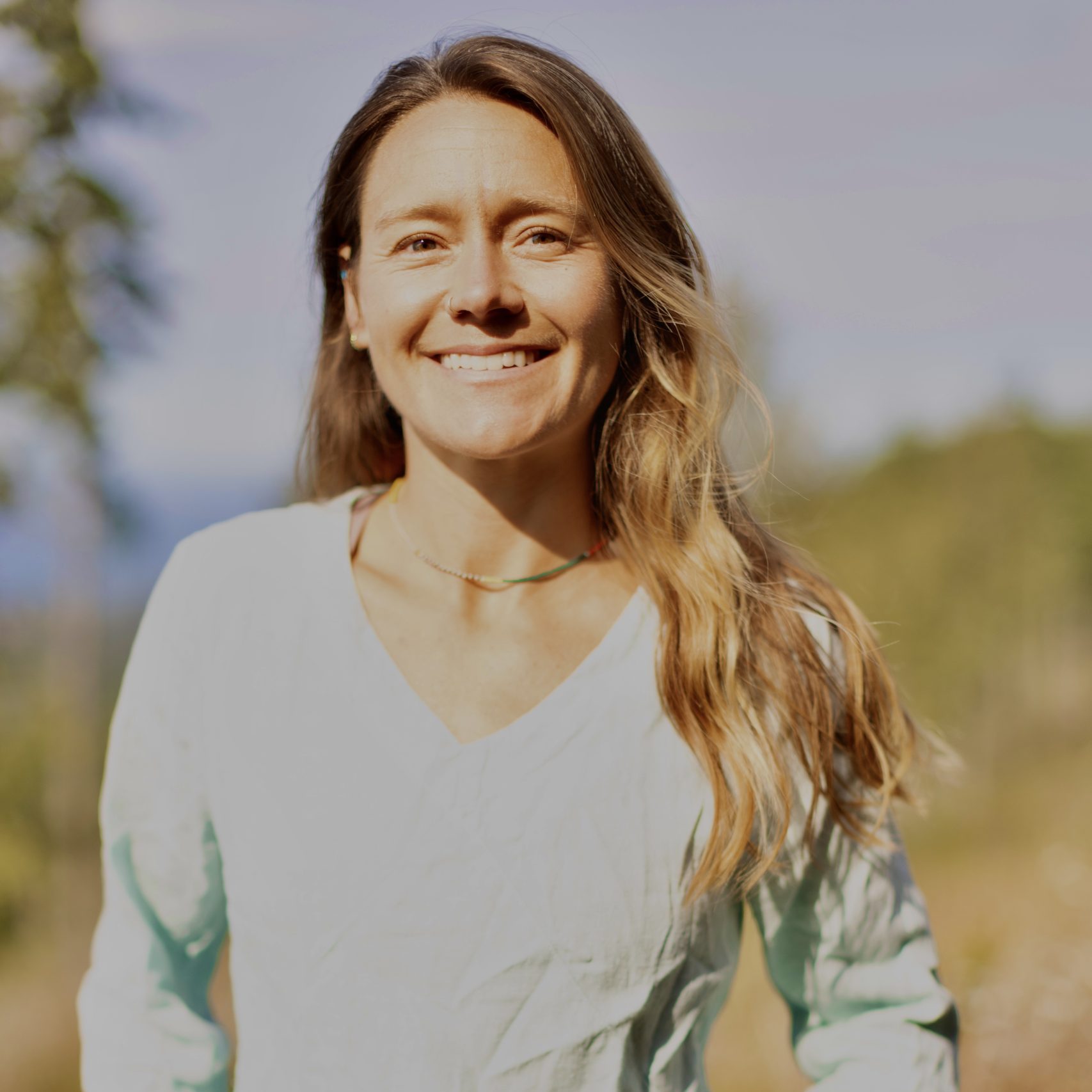 Chelsea Korbulic is a passionate scientist and educator whose work focuses on the restoration of social-ecological systems through community engagement and reciprocity. With a career spanning from coral reef research in Polynesia to natural history guiding in Antarctica, Chelsea has spent the last six years establishing strong roots in Port Angeles. Her professional journey in the Elwha watershed includes creating community science monitoring opportunities, co-developing and leading place-based field and classroom curricula for K-12 programs, conducting a wide range environmental data collection, and fostering collaborative salmon habitat conservation outreach.
As the WSG Coastal Resilience Fellow with the Lower Elwha Klallam Tribe, Chelsea is thrilled to continue cultivating relationships with LEKT departments and community members, while leveraging her hands-on expertise in natural resource management and established partnerships with other local entities to support implementation and communication of climate adaptation initiatives. By integrating her interdisciplinary background in marine, environmental and social sciences with a deep commitment to the stewardship of the coastal community she now calls home, she is dedicated to protecting the integrity of ongoing Elwha ecosystem recovery and working directly with the LEKT’s Planning/Economic Development and Natural Resources Departments to prioritize community-driven, nature-based strategies for enhancing nearshore resilience.
AURORA OCEGUERA
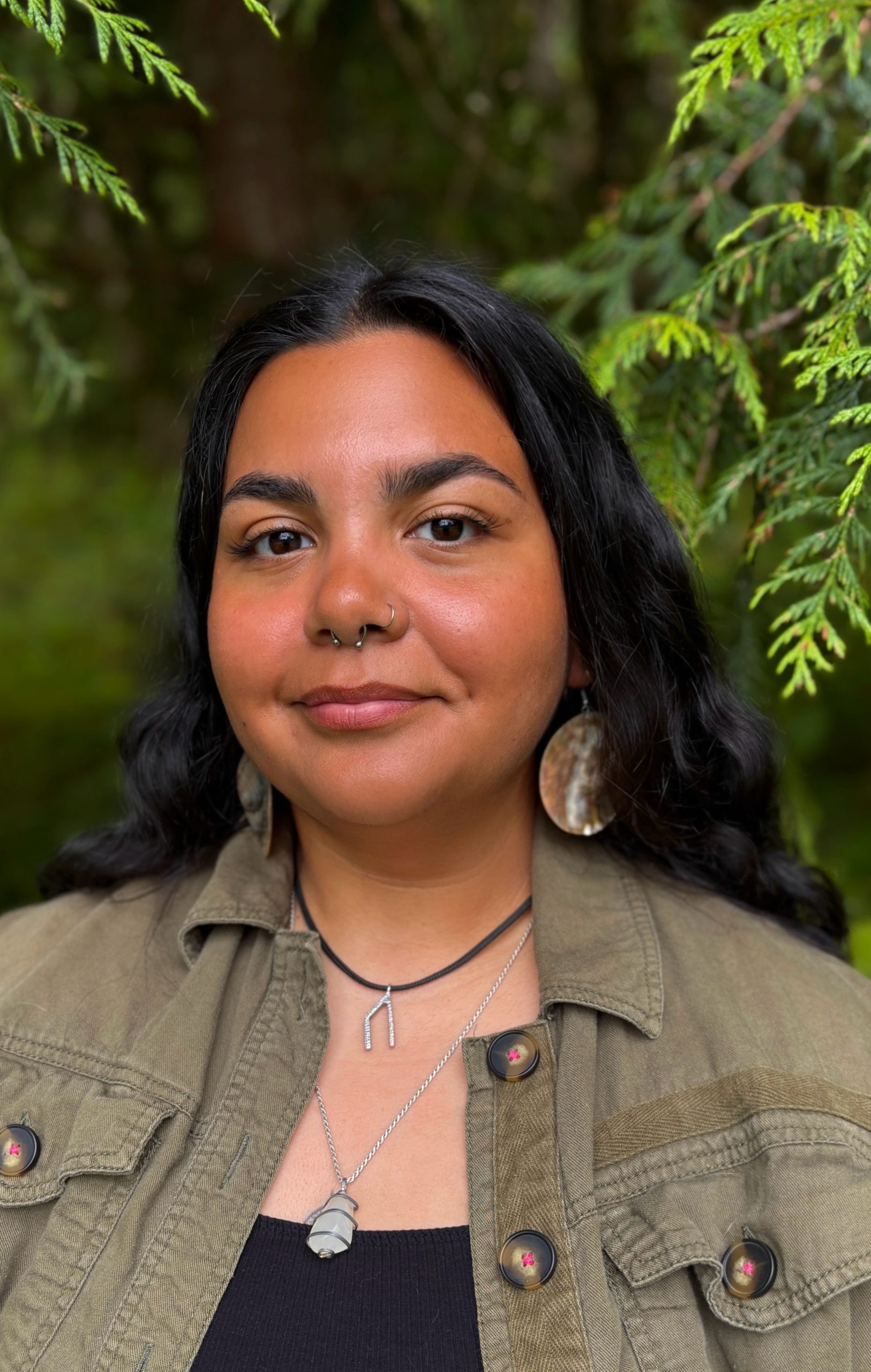 Aurora Oceguera grew up splitting her time between the Southwestern United States and coastal México, and holds a deep connection to her Mexican Indigenous roots. Spending so much time in her childhood on the Pacific Coast, she developed a strong relationship with the ocean and yearned to understand the sea in all ways possible. This led her to pursue a higher education, and she graduated from The Evergreen State College in Olympia, WA earning a Bachelors of Science in marine biology with an emphasis on restoration ecology.
Following graduation, she immediately jumped into the world of habitat restoration and headed the kelp lab at the Puget Sound Restoration Fund. This led into an opportunity to go work at a remote salmon hatchery off of the coast of Kodiak, AK; there, she fell in love with the fisheries world and all things salmonid. As an Indigenous Latina, Aurora has found community with Coast Salish tribes; whether that’s growing bull kelp for Squaxin Island Tribe, working on the Quileute reservation for WDFW, or at her home away from home, with her Chinook canoe family. She is deeply passionate about native stewardship of the land and sea, and aspires to merge traditional ecological knowledge with western empirical science in a way that communicates complex scientific ideas into compelling narratives that are easier to digest and understand. As a Coastal Resilience Fellow with Coast Salmon Partnership, Aurora is thrilled to be continuing her salmon journey and working in an impactful role that aligns with her values of equitable habitat restoration strategies.
CAL SCHURMAN
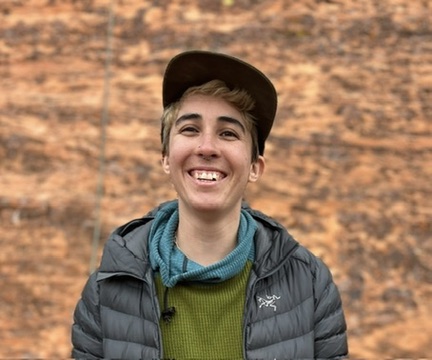 Growing up in a small town in New Mexico, Cal developed a deep appreciation for the outdoors and the communities that depend on healthy landscapes and water resources. After moving to Washington nearly a decade ago, they formed a passion for the Pacific Northwest’s rivers and coastlines and recently earned a Master’s degree in Civil and Environmental Engineering with a focus on hydrology from the University of Washington.
Through graduate research and environmental consulting, Cal has worked on coastal resilience, water resources, hydraulic modeling, and environmental data analysis. They are motivated by a belief that resilient infrastructure and healthy ecosystems should benefit everyone and are especially interested in expanding equitable access to environmental resources. As a Coastal Resilience Fellow with Lummi Nation, Cal looks forward to learning from Tribal staff and community members while supporting the implementation of Lummi’s Coastal Resilience Plan.
SAM SOULE
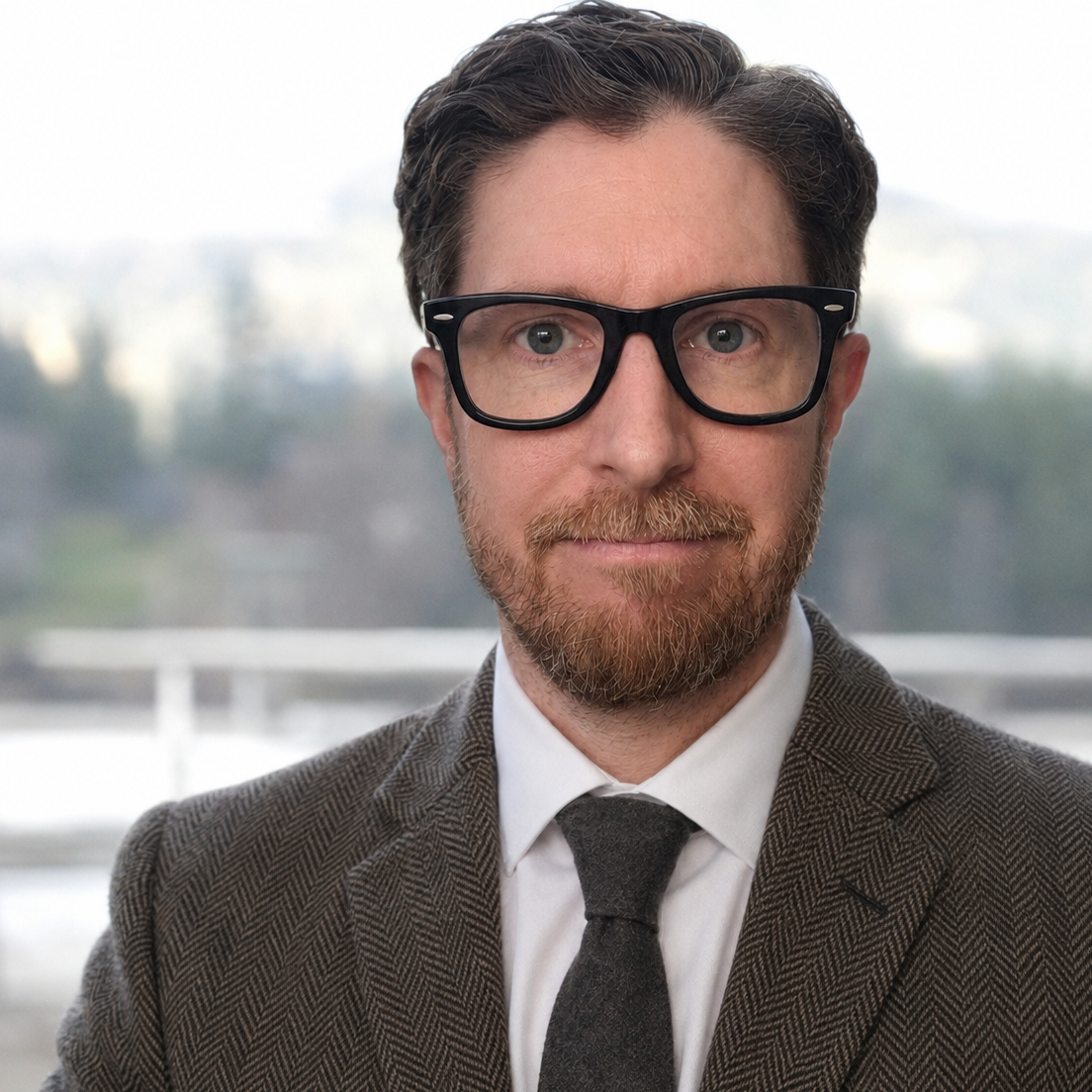 Sam Soule is a Washington Sea Grant Coastal Resilience Fellow with the Evergreen Coast Economic Development District. He earned his Master of Marine and Environmental Affairs from the University of Washington, where he focused on fisheries policy, coastal resilience, and environmental governance. Prior to graduate school, Sam served in the U.S. Navy and built a career in operations, logistics, and customer service, experiences that strengthened his passion for public service and collaborative problem-solving.
A lifelong angler and conservation advocate, Sam is particularly interested in salmon recovery, watershed resilience, and strengthening coastal communities through science-informed policy and regional partnerships. Outside of work, he enjoys fly fishing throughout the Pacific Northwest, volunteering on habitat restoration projects, and sharing his love of fisheries conservation through education and outreach.
AVA VAUGHAN
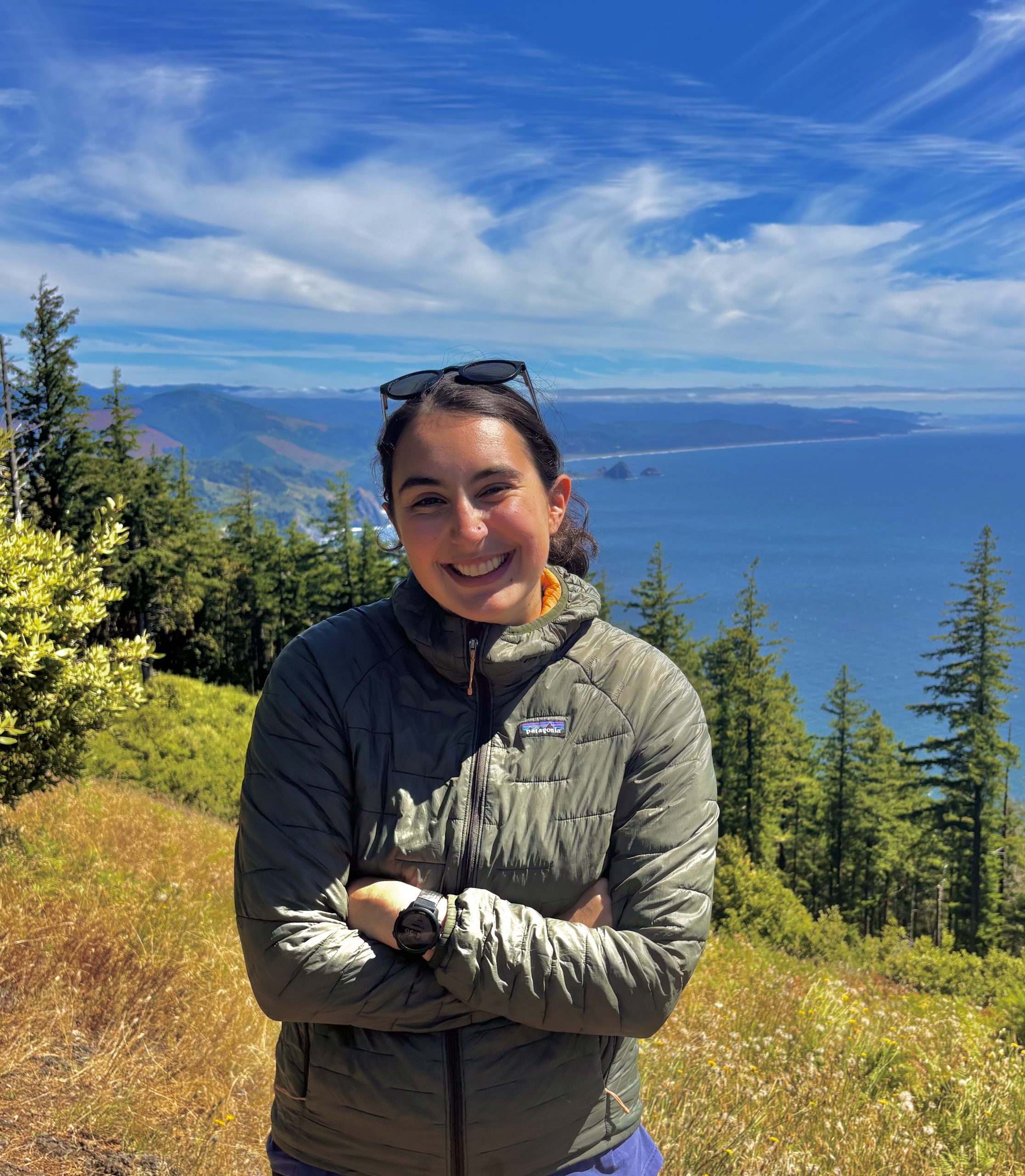 Ava grew up on Washington’s Olympic Peninsula and recently graduated from the University of Washington with dual degrees in Environmental Studies and Business Administration, along with a minor in Nutrition. She is passionate about the intersection of natural resource management, economic development, and community resilience, with a particular interest in equitable climate adaptation and socioecological systems.
Her work has focused on helping communities prepare for the impacts of climate change through collaborative planning and applied research. As part of a yearlong project with Washington Sea Grant and the Washington State Emergency Management Division, Ava examined how social vulnerability and public engagement are incorporated into local hazard mitigation planning. She also served as an Oregon Sea Grant Summer Scholar with the Oregon Department of Fish and Wildlife’s Marine Reserves, where she conducted a public process review to identify opportunities for strengthening stakeholder engagement in adaptive management.
Beyond coastal resilience, Ava is interested in corporate sustainability, sustainable food systems, and expanding equitable access to the outdoors. She is excited to continue her professional journey as a Coastal Resilience Fellow, supporting the development of a Coastal Hazards Adaptation Plan for the Port of Bellingham.
2025-2027
ANNABEL BAKER
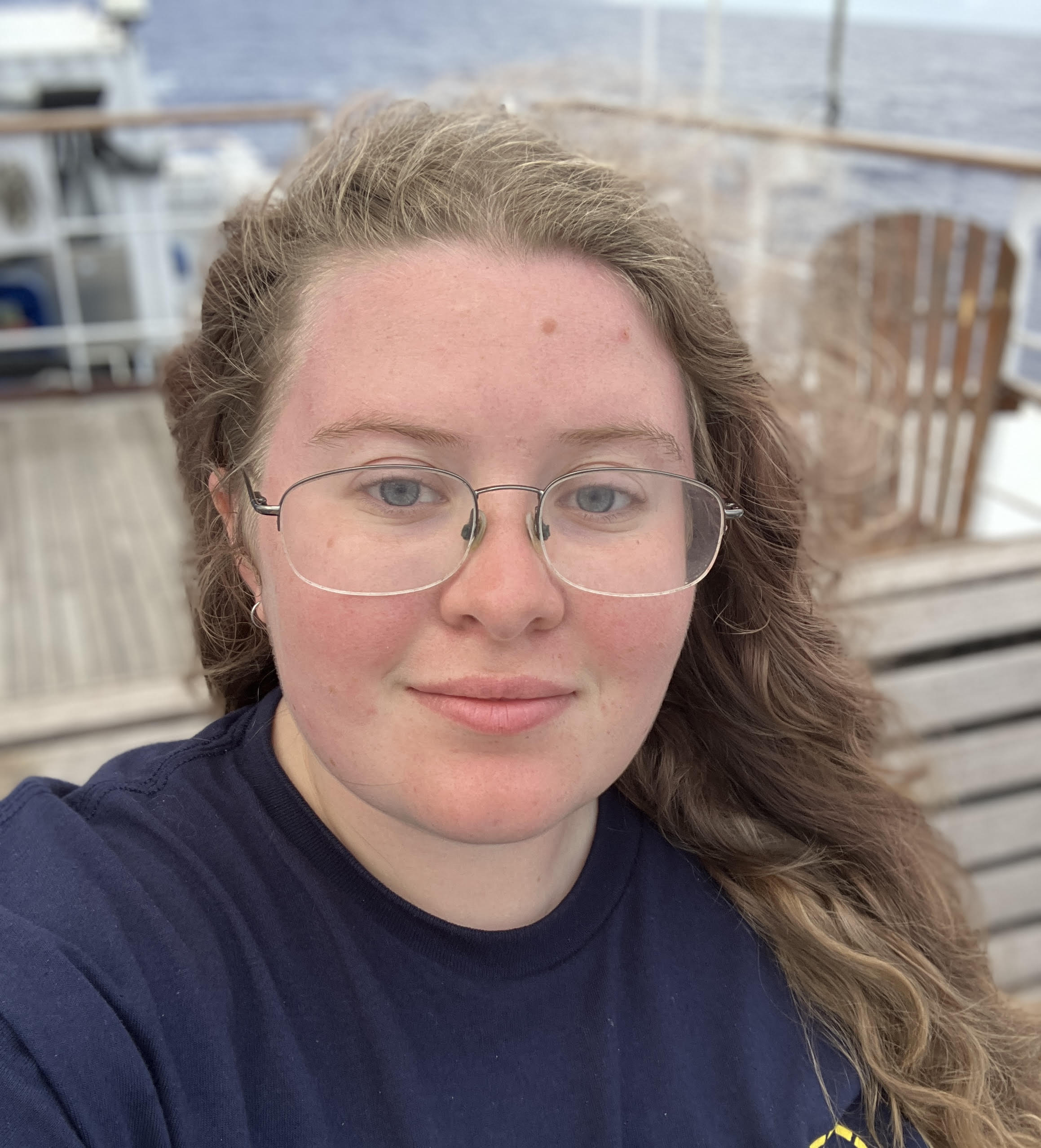 Ey7 skweyel nekwilye! Anabel has held a passion for Coast Salish waters and beyond for their entire life. From pulling with their Samish canoe family to operating deep-sea robots in the Central Pacific, Anabel always finds a way to connect with the sea. Born and raised in Seattle, Anabel pursued higher education early through the Ocean Research College Academy in Everett, then studied at Oregon State University for 5 years for their Bachelor’s and Master’s in ecological engineering, where their learning ranged from hydrologic modelling to microcontroller design. During this time, Anabel kept to the sea, working an internship at the Hatfield Marine Science Center Innovation Lab designing an open source water quality sensor for tide gates. Additionally, in 2023 Anabel worked as an ROV engineering intern at sea aboard the ocean exploration vessel E/V Nautilus, returning as an ROV copilot the following two summers for a month-long expedition each. Having recently graduated with their Master’s in June of 2025, Anabel is honored to be a Coastal Resilience Fellow with Chinook Nation and the Columbia Land Trust, and is excited to see what the future holds next. Hoy7sxwq’e!
TEAGAN DARMODY
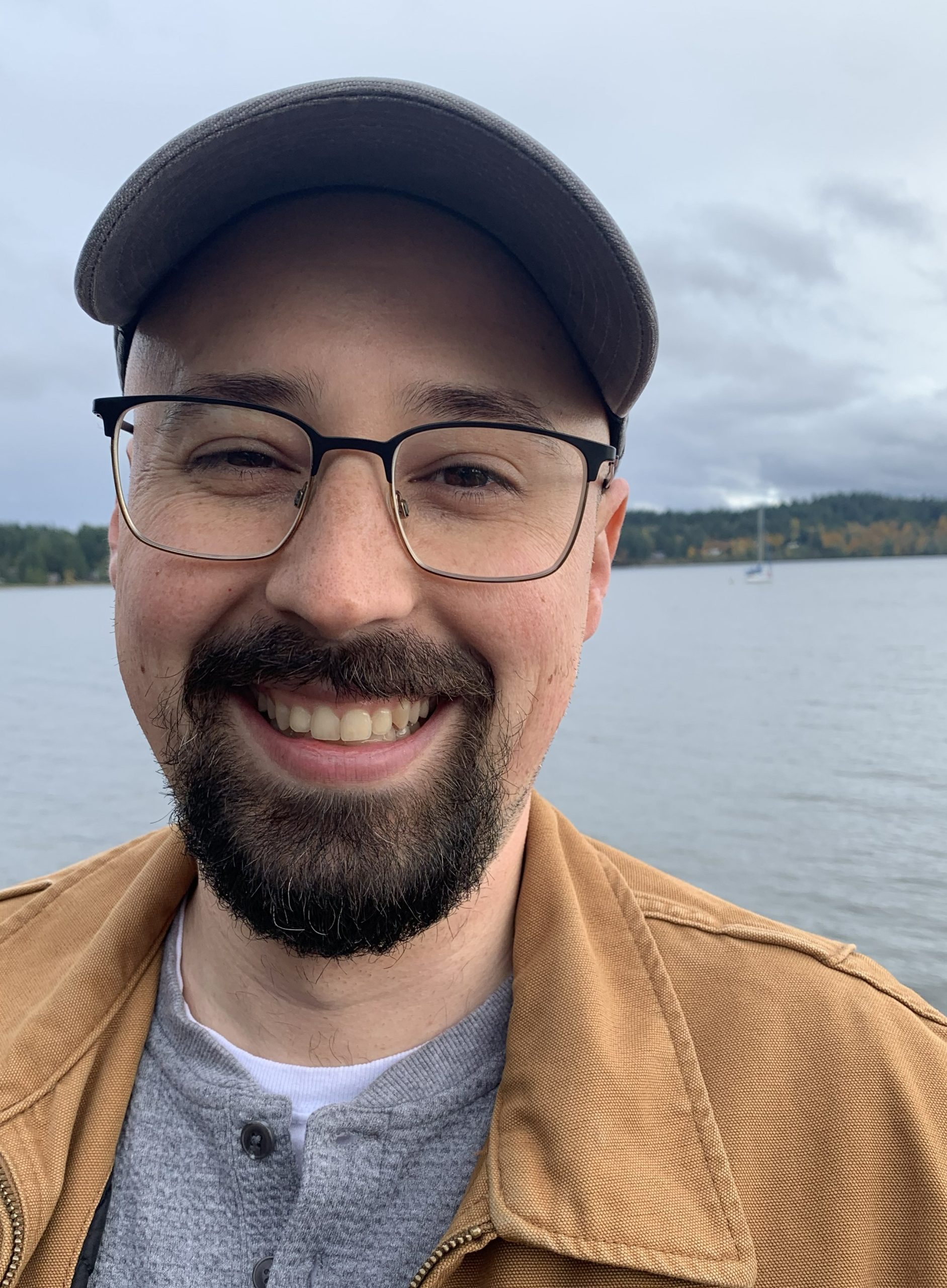 Teagan Darmody grew up on a small farm in Olympia, Washington, along the borders of the Nisqually Reservation and Joint Base Lewis-McChord. Having spent his life in communities throughout the Puget Sound region, he feels deeply connected to the people, forests, and coastlines that have shaped his identity. After high school, Teagan worked in agriculture and aquaculture before beginning his first career in logistics. He later attended the University of Washington, earning a bachelor’s degree in Environmental Science and Resource Management while working as a research assistant with the U.S. Forest Service’s Pacific Wildland Fire Sciences Laboratory, where he studied fire behavior and post-disturbance succession.
Following graduation, Teagan worked as a GIS contractor, updating Google Maps for local governments around the world. Driven to combine his passion for the Pacific Northwest’s forests and waterways with the skills to develop effective, equitable environmental policy, Teagan pursued graduate studies at the University of Washington. He recently completed dual master’s degrees in Marine Affairs and Public Administration from the School of Marine and Environmental Affairs and the Evans School of Public Policy and Governance. As a Coastal Resilience Fellow with the North Olympic Peninsula Resource Conservation and Development Council, Teagan is excited to bring his background and experiences to helping coastal communities build resilience and adapt to the challenges of a changing climate.
RICH DESANTO
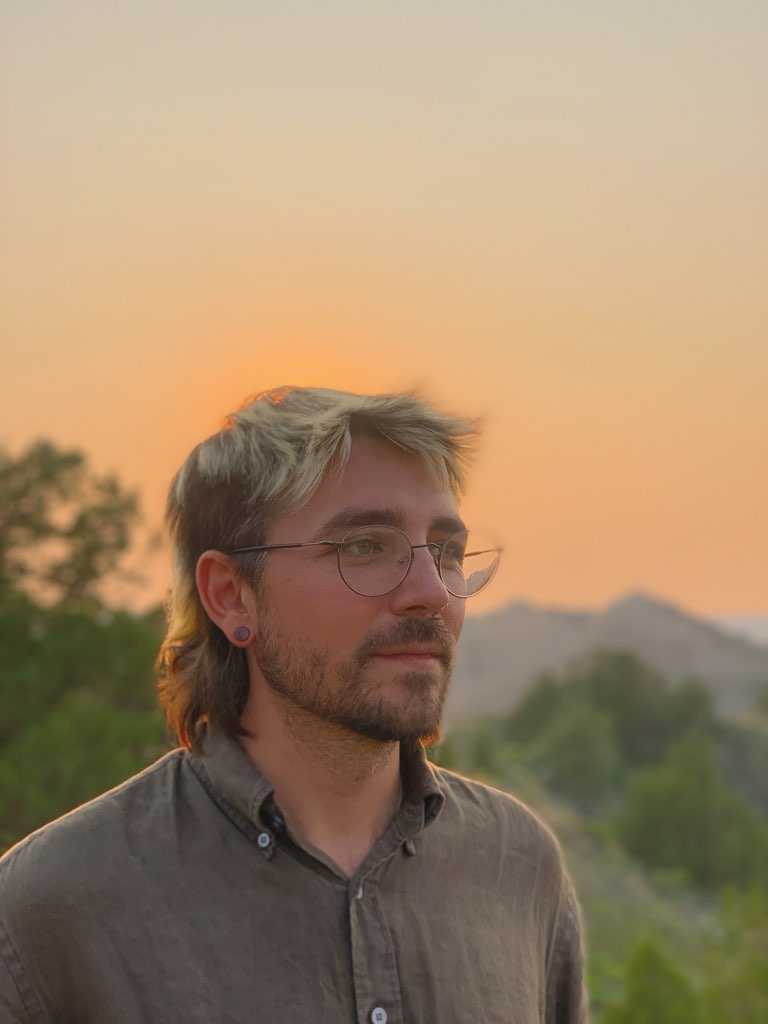 Originally from the shores of the San Francisco Bay, Rich’s connection to marine and estuarine ecosystems have been life long and formative. He earned a Bachelor of Arts in Anthropology and another in Art while living on the coast in Santa Cruz. Through both degrees he grappled with socio-cultural and environmental processes shaping and reshaping our planet. After graduating, Rich worked with an environmental arts organization to re-purpose a former military ship now sinking in the Monterey Bay into an eco-art park to educate the public and raise awareness on ocean health. Rich moved to Seattle in 2016 and completed a Masters of Landscape Architecture in 2019 – seeking to meld his love of working with people with creative and grounded design of socially and ecologically healthy places. After graduating, Rich continued to hone his design skills working with public artists Haddad|Drugan and spent three years teaching in the College of Built Environments at the University of Washington. He is eager to return to working with the ocean and the people who call its shores home alongside Pacific Conservation District as a Coastal Resilience Fellow.
ELYSE KELSEY
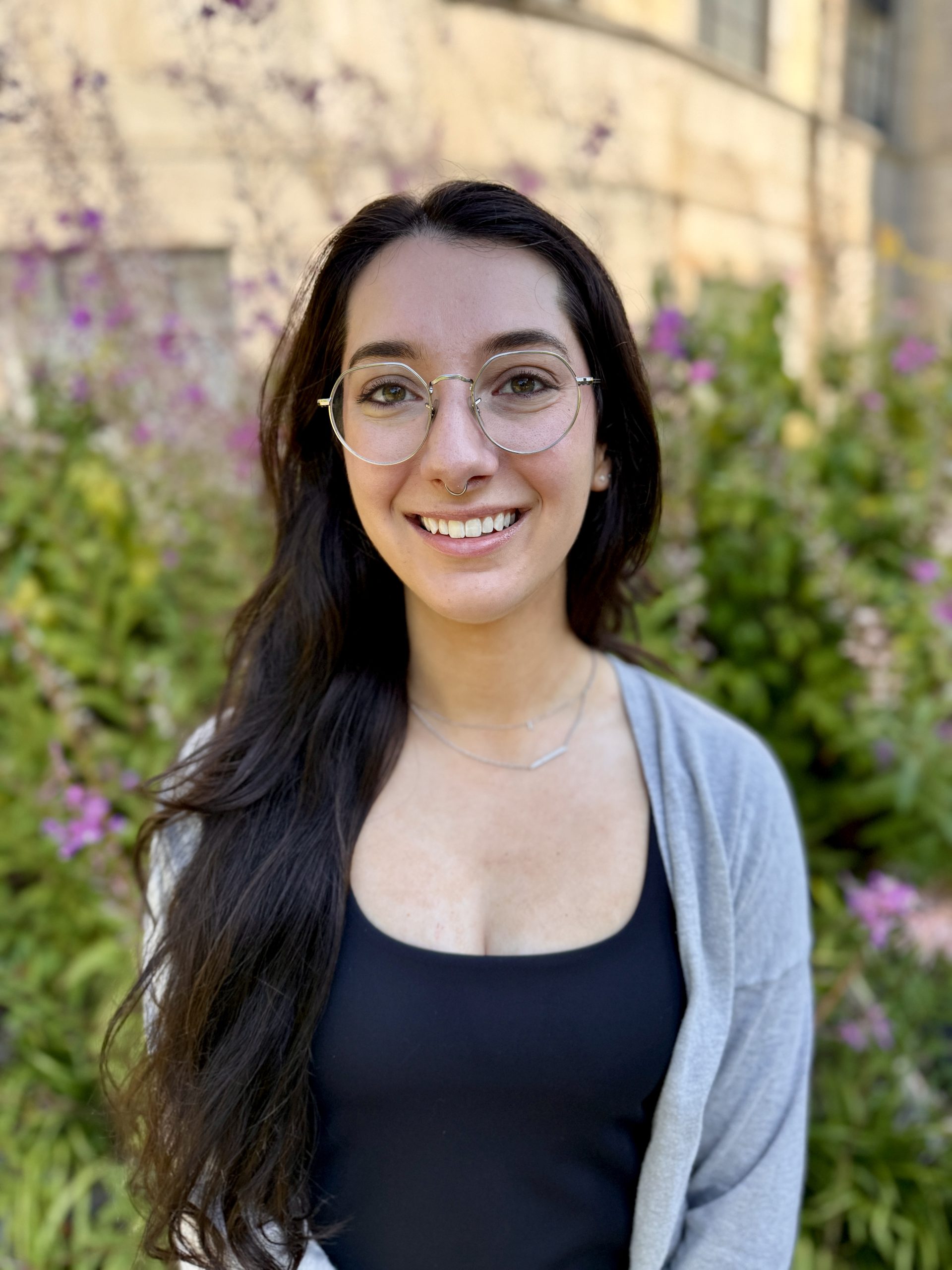 Elyse Kelsey grew up in the Seattle area with a deep appreciation for beautiful Pacific Northwest coastal ecosystems. She attended Western Washington University where she earned her bachelor’s degree in environmental science and a graduate certificate in data science for environmental applications. After a few years working in elementary education, Elyse began graduate school in order to combine her interests in environmental science and community education. Elyse recently graduated from the University of Washington’s School of Marine and Environmental Affairs. Alongside her Master of Marine Affairs degree, Elyse earned a graduate certificate in climate change and health, with the goal of developing interdisciplinary, community-engaged solutions to complex environmental challenges brought about by climate change. Through the graduate certificate, Elyse started working with the Center for Disaster Resilient Communities to conduct qualitative data analysis to determine how public health information is incorporated into hazard mitigation plans across Washington’s four Pacific Coast counties. As part of the inaugural Coastal Resilience Fellowship cohort, Elyse will collaborate with the Quinault Indian Nation to build community resilience to coastal hazards and gain experience in the field of emergency management.
MADELEINE LUCAS
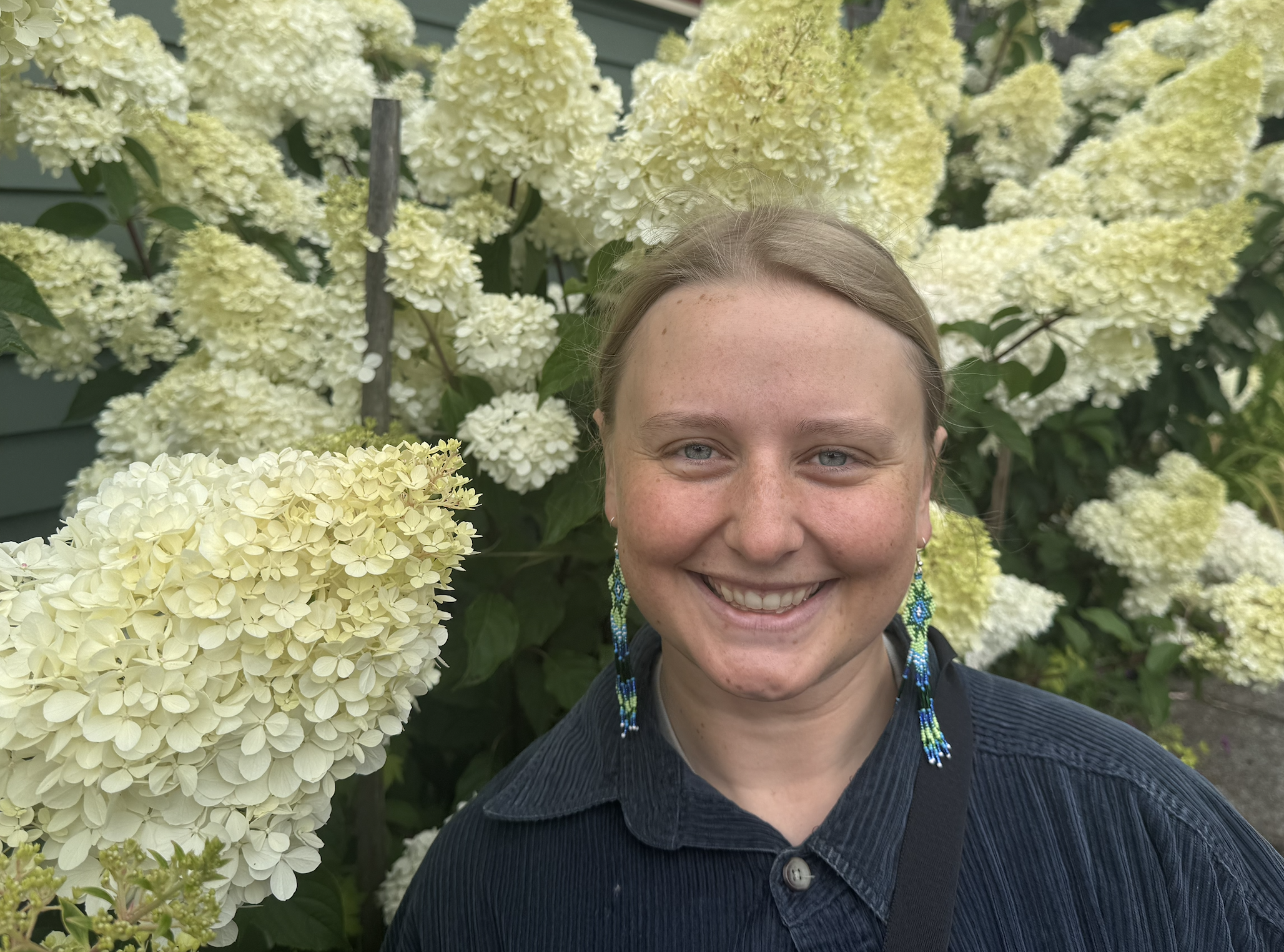 Madeleine strives to make a positive difference in her community through her work as a marine geophysicist and science educator. Maddy’s scientific fieldwork has taken her on research expeditions far offshore to study underwater fault zones capable of generating large earthquakes and tsunamis in the Pacific Northwest. But her passion truly lies at the intersection between science and people – a calling that was nurtured through her involvement in the Cascadia Coastlines and Peoples Hub. Originally a Michigander, Madeleine found a home away from home along Washington’s coastline through leading the Cascadia Culture & GeoScience Exchange (CCASE). CCASE is a K-12 outreach program that teaches about coastal geohazards at tribal high schools while also exchanging culture with the Quileute and Makah Tribes. She is beyond excited to begin the Coastal Resilience Fellowship with the Shoalwater Bay Indian Tribe because it combines her passion for coastal hazards science and education with local, tribally-led efforts to prepare for a major Cascadia earthquake and tsunami event.
WSG Keystone Fellows
2026
AMANDA RUEDA
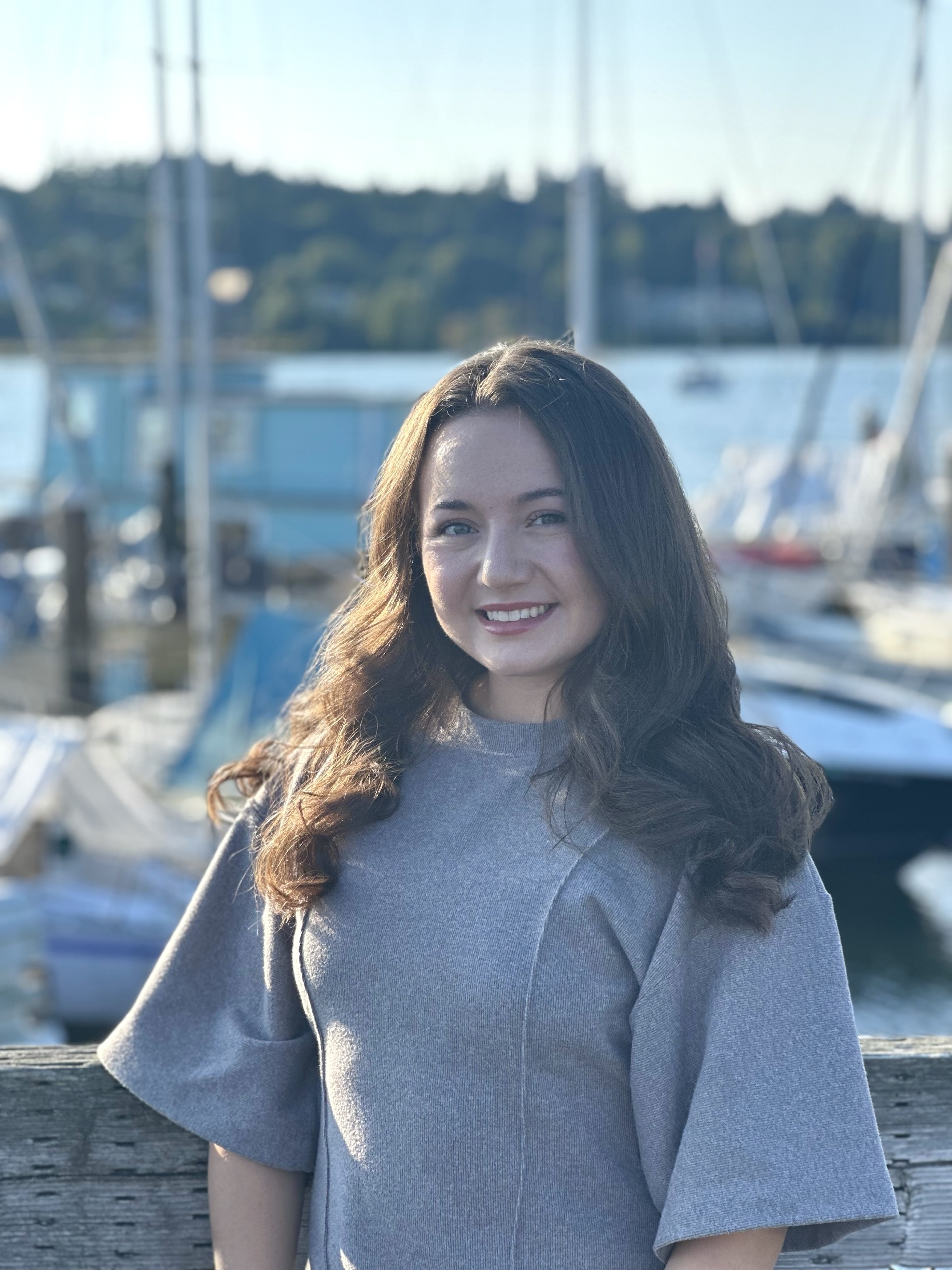 Amanda became interested in marine science as a kid with a fascination for killer whales, which developed into a commitment to study and conserve marine life in the Pacific Northwest, where she grew up. She earned a Bachelor of Science in Biology with a marine emphasis from Western Washington University, getting her start in research through the Marine Mammal Ecology Lab. After graduating, Amanda worked as a long-term substitute teacher and TRIO Upward Bound instructor, supporting fellow Hispanic and first-generation students, while completing internships with Sealife Response, Rehabilitation, and Research (SR3) and Pacific Mammal Research involving marine mammal photo-identification, husbandry, and stranding response.
Amanda earned a Master of Environmental Studies from The Evergreen State College, where she worked with Cascadia Research Collective to study the foraging characteristics of “Sounder” gray whales in northern Puget Sound and assisted with field surveys and necropsies along the West Coast. During graduate school, she also worked as a Program Coordinator for the Taylor’s checkerspot butterfly captive rearing program with the Sustainability in Prisons Project, an experience that deepened her commitment to increasing access and opportunities for underrepresented communities in STEM. Amanda is thrilled to work with the Puget Sound Partnership to analyze salmon recovery projects and communicate with legislative audiences, while broadening her experience in long-term restoration planning.
DANIELLE MANTZ
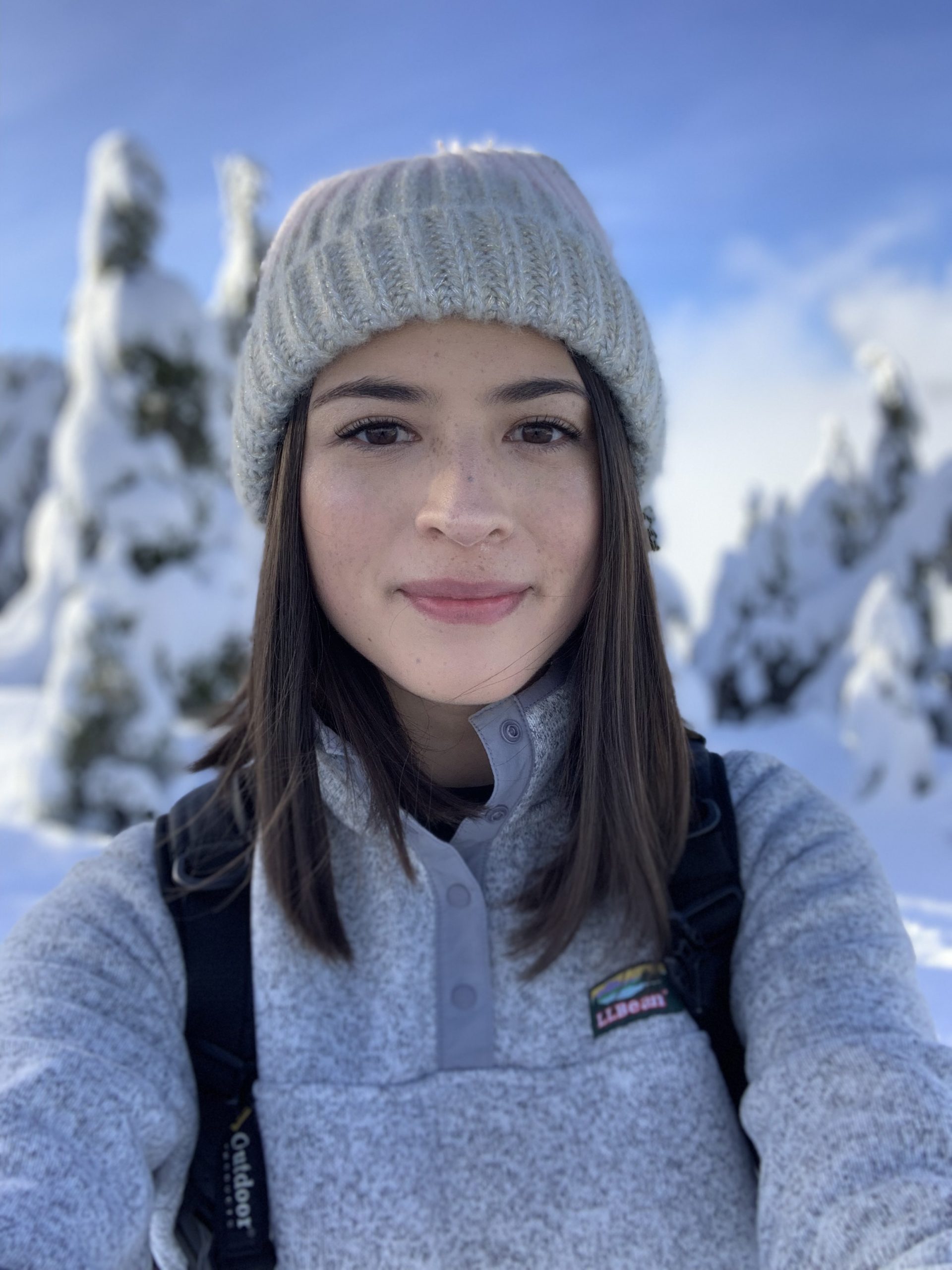 Danielle grew up in Seattle and brings a unique blend of private sector experience and academic focus on climate change, coastal resilience, and environmental justice. She earned her undergraduate degree in finance and business economics at the University of Washington and began her career working for an investment management firm, where she collaborated with global teams to develop sustainable investment products and strengthen operational systems. While she valued the complexity and pace of the private sector, she felt increasingly pulled toward work that aligned more closely with her love of nature, sense of place, and commitment to community, which ultimately prompted a career shift toward sustainability.
Now a graduate student at Virginia Tech studying sustainability and natural resources, Danielle has worked on projects ranging from adaptive management planning for Chinook Salmon to researching toxic legacies in the Lower Duwamish. A first-generation college student and Filipino woman, Danielle is committed to inclusive, system-based approaches that integrate science, policy, and community voices. As a Keystone Fellow placed with the Puget Sound Partnership, Danielle is excited to support collaborative recovery efforts that advance both ecological health and community resilience. She looks forward to deepening her work in environmental planning, adaptive management, and equity-driven decision making across the Puget Sound Region.
WSG Hershman Fellows
2026-2027
ALAINA MEDJO
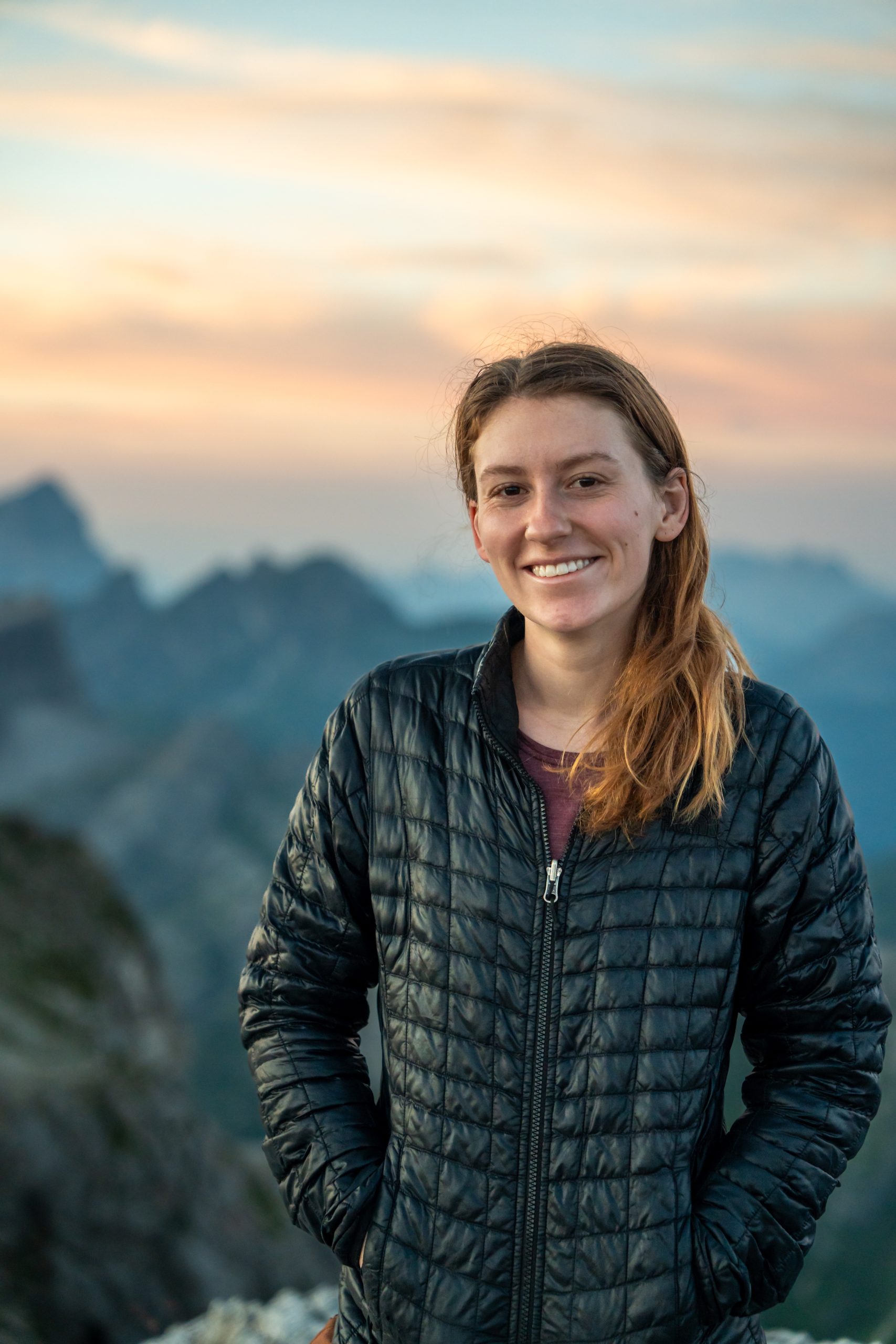 Growing up in Seattle, Alaina developed a deep appreciation for the natural world through time spent exploring the coast, forests, and mountains of the Pacific Northwest. While earning her bachelor’s degree in Interdisciplinary Studies at American University–focused on public policy, constitutional law, and criminal justice reform–she cemented a longstanding passion for advancing social justice through policy. Her decision to pursue a master’s degree was inspired by her time spent traveling throughout Southeast Asia, Europe, and parts of the Middle East, where she gained a deeper understanding of the ways communities around the world are connected to their environments and the need for effective, place-based environmental policy. Alaina earned her Master of Public Administration with a specialization in Environmental Policy and Management from the University of Washington’s Evans School of Public Policy and Governance. While at UW, she received the Environmental Policy Capstone Award for her research with the Washington Emergency Management Division on local hazard mitigation planning in coastal Washington. Across her professional, academic, and personal experiences, she is dedicated to developing solutions that strengthen communities and promote resilience. As a Hershman Fellow, Alaina is elated to work with the Washington Department of Ecology’s Spill Prevention, Preparedness, and Response Program, supporting efforts to build the program’s environmental justice capacity.
CELESTE VALDIVIA
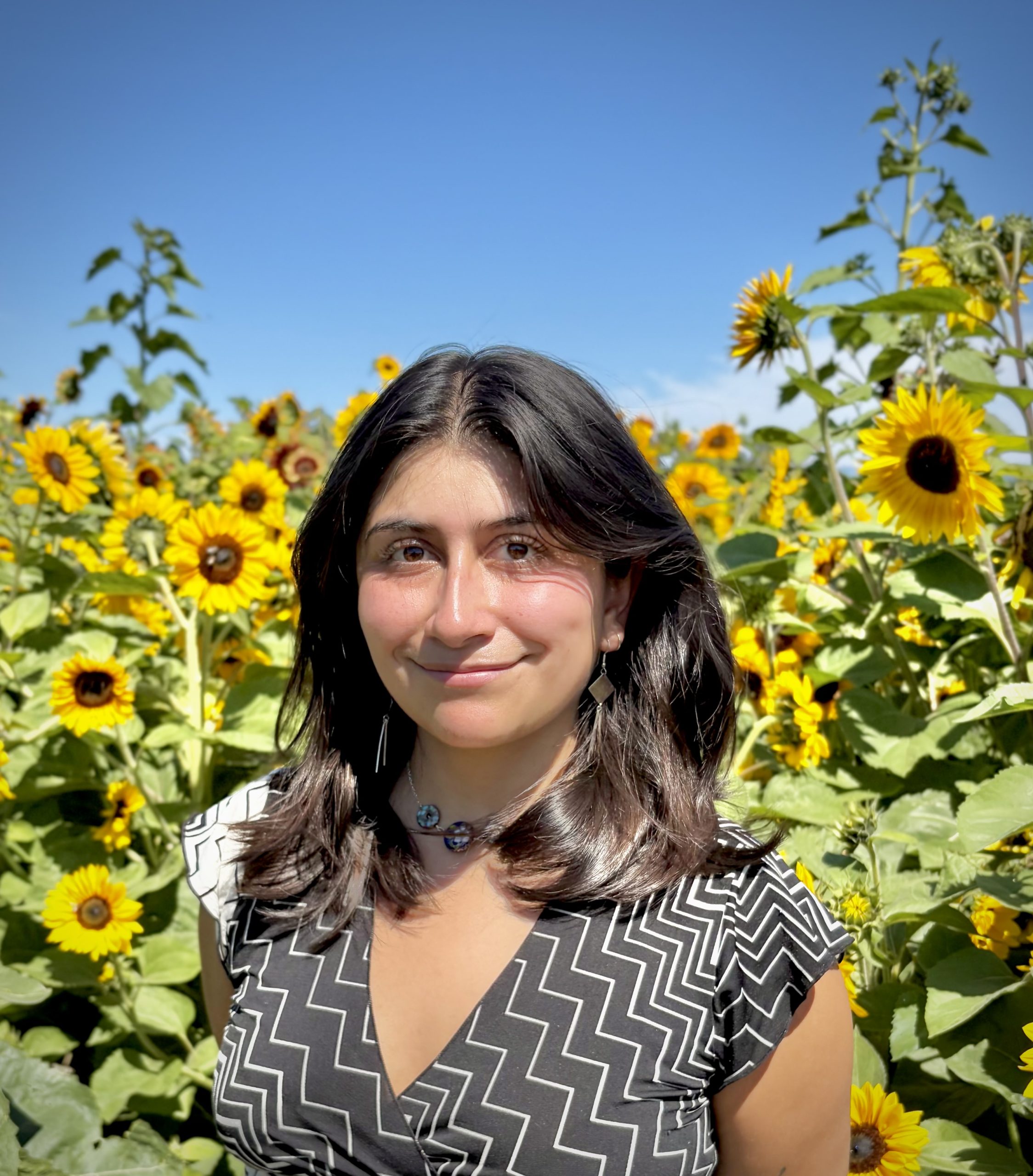 Raised between San Diego, California and Tijuana, Mexico, Celeste came to understand at an early age how the health of marine environments could reflect broader socioeconomic disparities. She went on to attend the University of California, Davis where she received her B.Sc. in animal biology and completed an undergraduate capstone thesis evaluating the developmental and behavioral impacts of a common pyrethroid pesticide on the critically endangered Delta smelt. After graduating, she remained with the same research group for an additional two years as a research technician, further developing her expertise in aquatic ecotoxicology. Working in California’s Sacramento-San Joaquin watershed deepened her understanding of how interconnected aquatic ecosystems, communities, and management of water resources could be. Seeking to further develop her ability to address pertinent issues in aquatic toxicology, she pursued a M.Sc. at the University of Washington School of Aquatic and Fishery Sciences. Here, she completed a master’s thesis evaluating the physiological, molecular, and cellular responses to nickel-induced stress in the invasive colonial marine tunicate Botryllus schlosseri. She is thrilled to have been matched as a Hershman Fellow with the Puget Sound Institute, where she will continue to explore the impacts of contaminants of emerging concern in the Puget Sound. Through the fellowship, she is excited to apply and expand her skills to research questions that directly inform regional monitoring efforts and water quality management.
EMMA KLESSIG
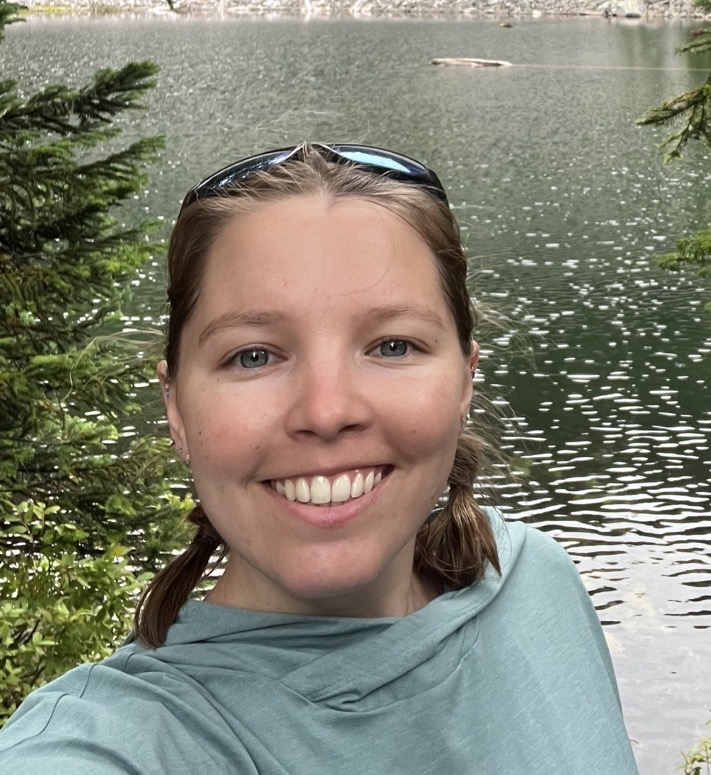 Emma holds a Master of Marine Affairs from the University of Washington and a Bachelor of Science from the University of California, Berkeley, where she studied conservation and resource studies and public policy. Prior to joining the Olympic Coast National Marine Sanctuary, she worked with Washington Sea Grant as a Student Assistant supporting the Seaweed and Aquaculture Programs, where she contributed to bilingual outreach and programming with Washington’s aquaculture industry, helped facilitate the Willapa Bay Grays Harbor Estuary Collaborative, and supported youth marine education programs.
Emma’s work focuses on the intersection of marine conservation, policy, and community engagement. Her master’s thesis examined international climate policy implementation and how national characteristics influence the strength of climate commitments under the Paris Agreement. She is passionate about supporting sustainable marine ecosystems through collaborative policy and community engagement and will contribute to the Olympic Coast National Marine Sanctuary’s conservation and community partnerships along Washington’s coast.
JANE WYBENGA
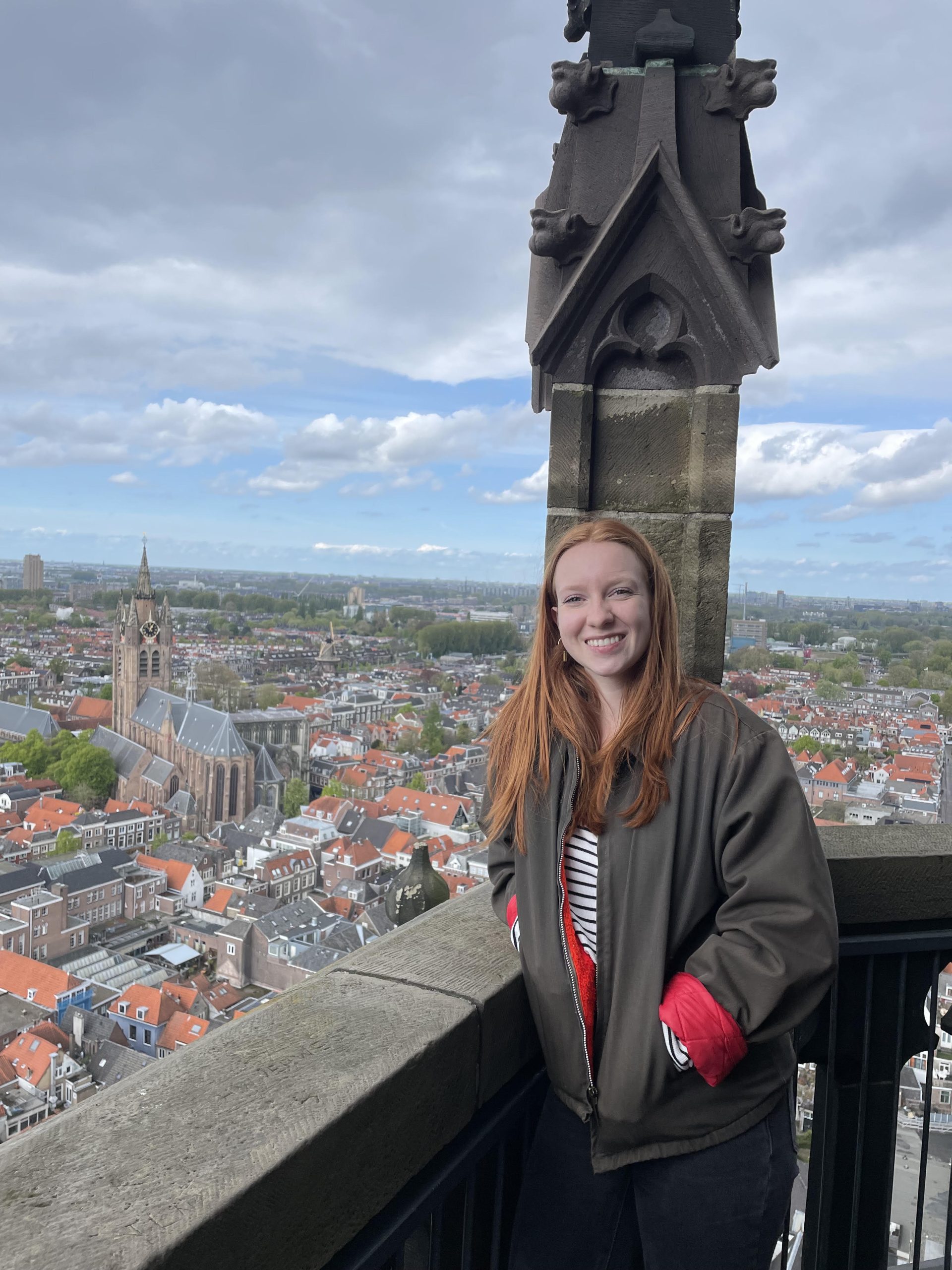 Jane was born and raised in the Pacific Northwest, where she developed an admiration for the natural world and a passion to protect it. After earning a bachelor’s degree in Environmental Studies and Spanish from Gonzaga University, she spent time working at various environmentally focused jobs in Washington, sharpening her written and oral communication skills. She recommitted to environmental work and continuous learning by earning her master’s degree from the UW School of Marine and Environmental Affairs as well as a Nonprofit Management Certificate from the Evans School of Public Policy and Governance. During graduate school, she collaborated with peers to study Tribal perspectives on offshore wind and Tribal Benefit Agreements through informational interviews with Tribal leaders, staff, and members in Oregon, Washington, and California. Jane is passionate about science communication and community and Tribal engagement. As a Hershman fellow at The Nature Conservancy, she is eager to support Indigenous-led projects that increase access to fishing and other aquaculture opportunities.
SARAH TANJA
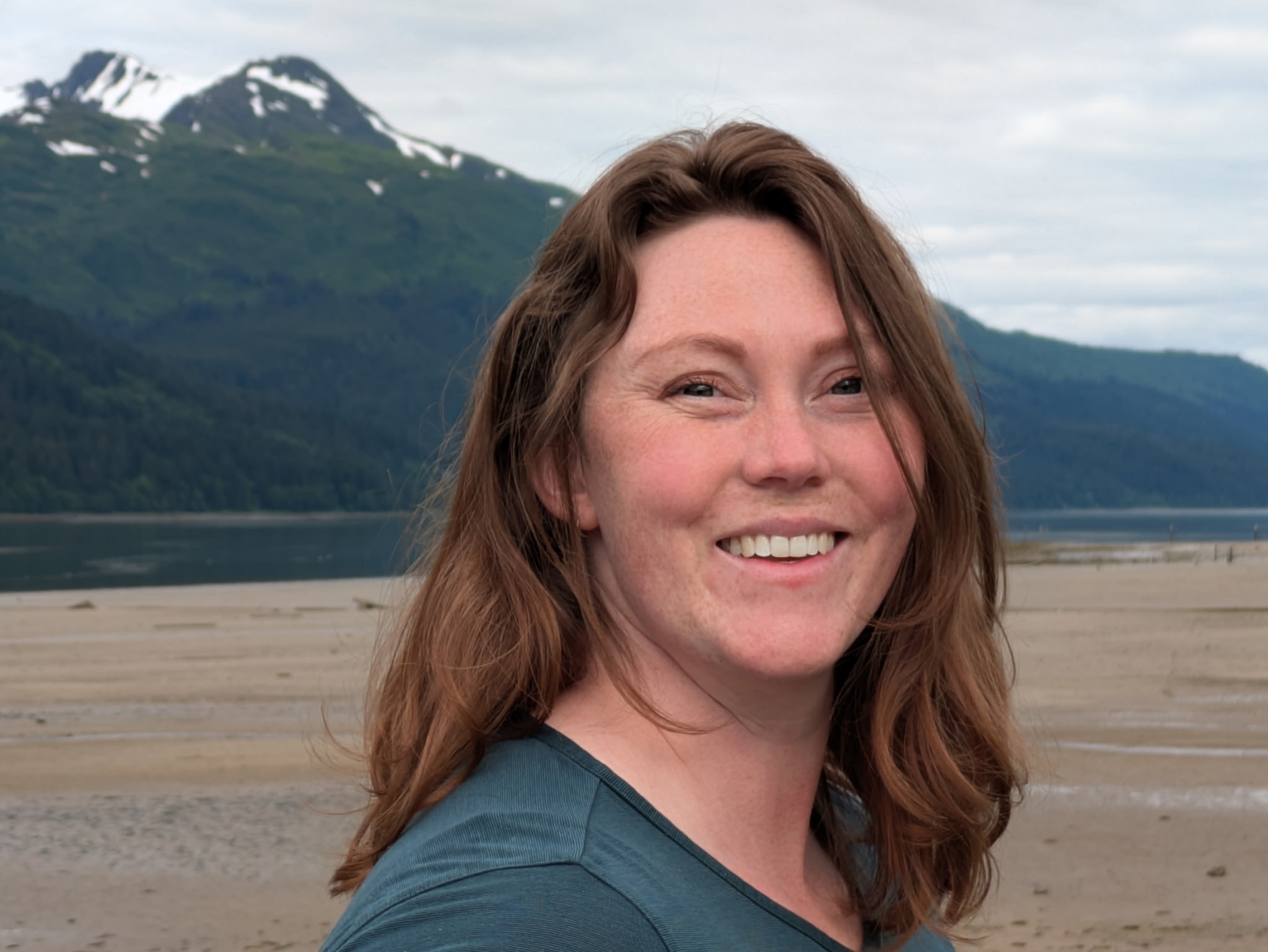 Tenacious and curious, Sarah kindled a passion for the coast as a young adult by sponging up books and attending summer marine science camps. During her undergraduate degree at the University of Portland, she delved into conservation research and management through experiential learning while building a strong base in biology and technical marine survey skills. Sarah was a Lieutenant and scientific diver in the NOAA Corps, serving on the US West Coast and Pacific Islands on fisheries and marine mammal surveys and Arctic mooring operations; receiving medals for excellence in leadership and engineering. She studied the impacts of plastic chemical pollution on embryonic development of coral at the University of Washington’s School of Aquatic & Fishery Sciences; where she also discovered fulfillment in teaching, an obsession with making beautiful graphs, and an interest in algae and its beautiful and varied forms. Sarah is originally from Juneau, Alaska; she loves rain, and getting outside to play with her husband and daughter as much as possible. As a Hershman Fellow, Sarah is thrilled to work with the Puget Sound Institute in support of a regional eelgrass and bull kelp risk assessment tool.
2025-2026
DELANEY CYPHERS
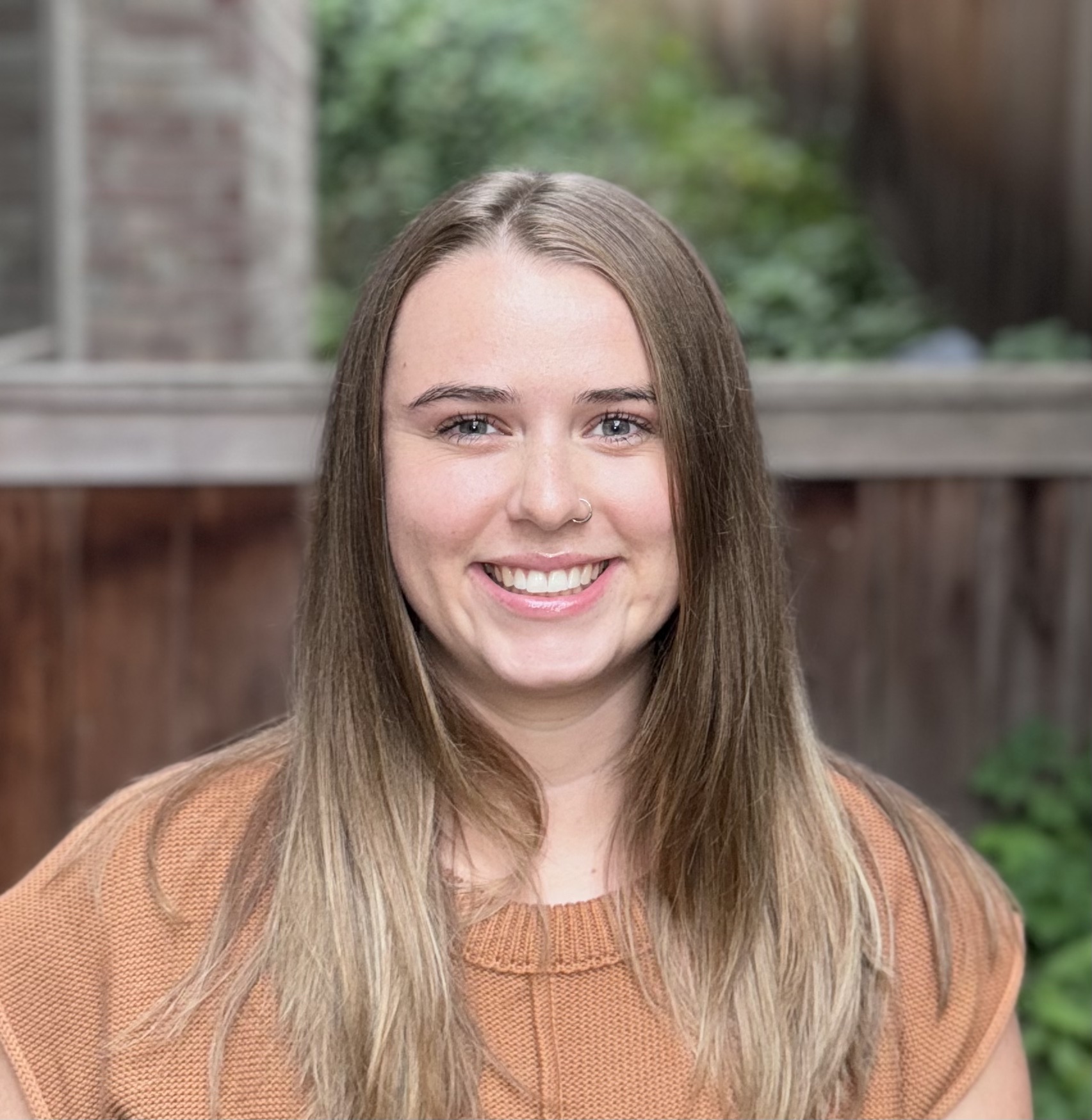 Delaney grew up exploring tidepools along the Oregon coast, experiences that sparked a lifelong passion for protecting marine environments and the communities who rely on them. She holds a Master’s of Marine Affairs from the University of Washington, where she focused on perceptions of aquaculture and equitable marine resource policy. While getting her Master’s degree, Delaney worked with NOAA Fisheries’ Aquaculture Team. There she gained valuable insight in the ESA consultation process and developed policy tools. She also served as editor of NOAA’s West Coast Region Aquaculture Newsletter where she learned how to better communicate science to a large audience. As the Hershman Fellow at the Port of Seattle, Delaney will support the update and implementation of the Underwater Noise Mitigation and Management Plan. She is also excited to contribute to the Port’s efforts to restore critical nearshore habitat and promote sustainable maritime practices in Puget Sound.
CIRQUE GAMMELIN
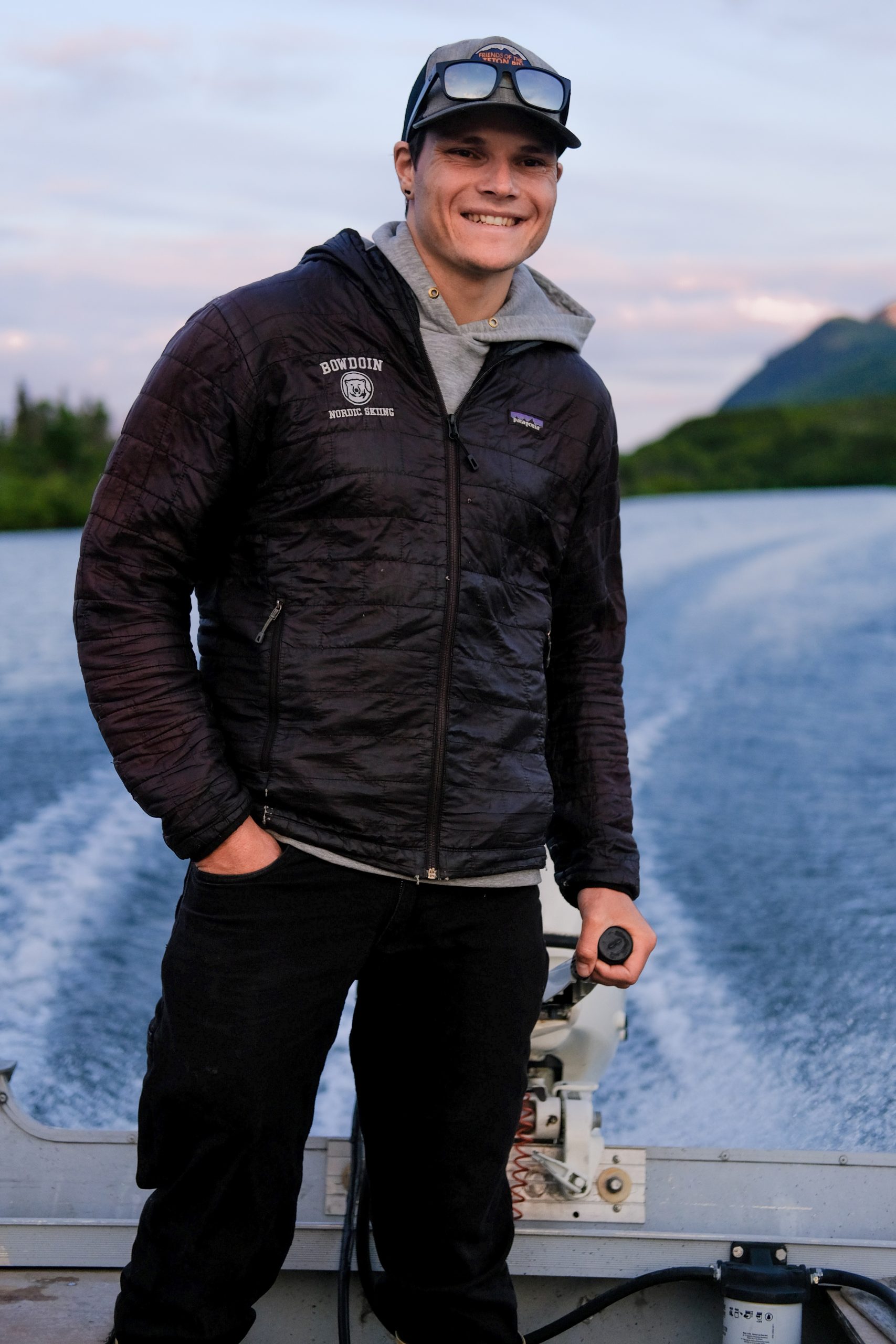 Growing up fishing and hunting amongst the mountains of western Wyoming, Cirque is driven by a curiosity for exploring ecosystems and improving resource management practices. After earning his bachelor’s degree in biology from Bowdoin College, he landed in Seattle to peruse a master’s degree at the UW School of Aquatic and Fishery Sciences. While in graduate school, he managed the UW Alaska Salmon Program field research camp in Chignik Lake, Alaska. His thesis research focused on assessing long term changes in lake habitat productivity, and describing how multiple populations of juvenile sockeye salmon exploit alternate rearing habitats. His work in a rural Alaskan community inspired interest in applying science to improve resource management strategies in coastal communities. As a Hershman fellow, Cirque is excited to contribute to the Marine Spatial Planning of the Quinault Indian Nation.
COURTNEY SKALLEY
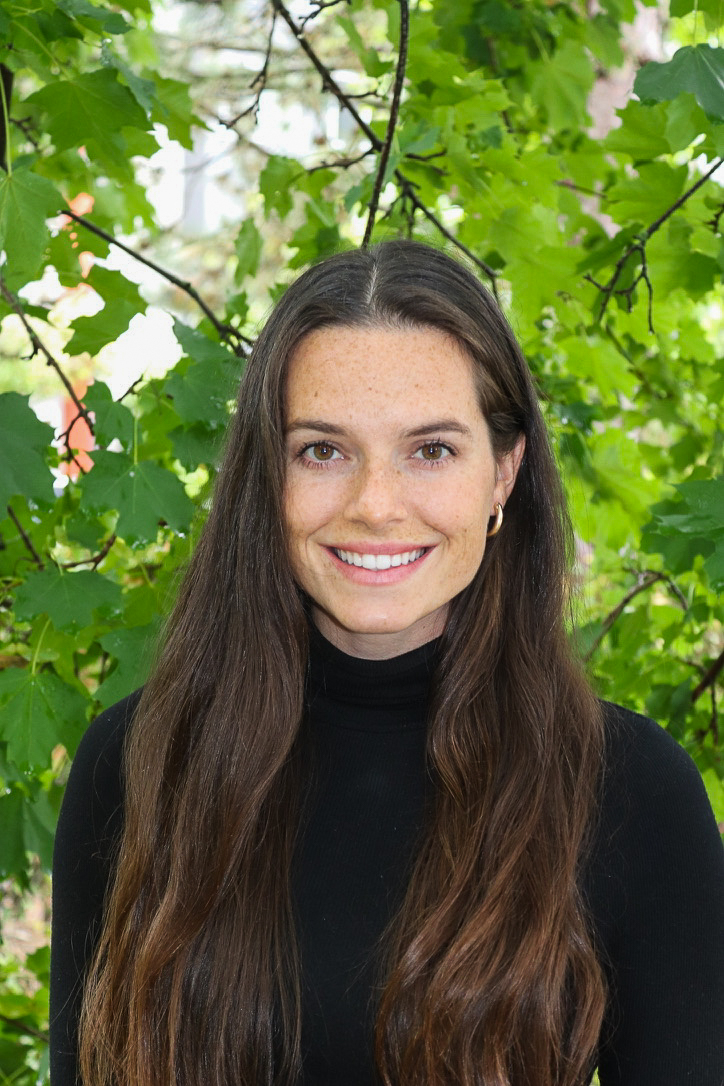 Courtney, a fish enthusiast, is passionate about researching, communicating, and educating the public about the marine world. Though this interest developed as she grew up alongside Puget Sound, Courtney formally made the decision to pursue a career in marine and environmental science after earning a bachelor’s degree in molecular biology from Texas Christian University in 2019. She worked as a fisheries observer for NOAA in the Bering Sea, where she lived aboard commercial fishing vessels while collecting catch data and gaining firsthand insight into the fishing industry. Courtney went on to earn her master’s degree from the University of Washington’s School of Marine and Environmental Affairs, where she applied her undergraduate studies in her thesis research: a phylogenetic analysis of soft-nose skate species, a common component of bycatch in North Pacific fisheries. After graduating from SMEA in 2024, she solo-traveled through remote regions of Africa and Asia as a UW Bonderman Fellow, exploring how communities around the globe incorporate natural resources into their cuisine, clothing, and culture. Now, Courtney is thrilled to return home to the Pacific Northwest as a Hershman Fellow, where she will bring her technical skills and fisheries knowledge to The Nature Conservancy’s work on indigenous-led aquaculture initiatives in Puget Sound.
Knauss Fellows
2024-2025
JASON GRONICH
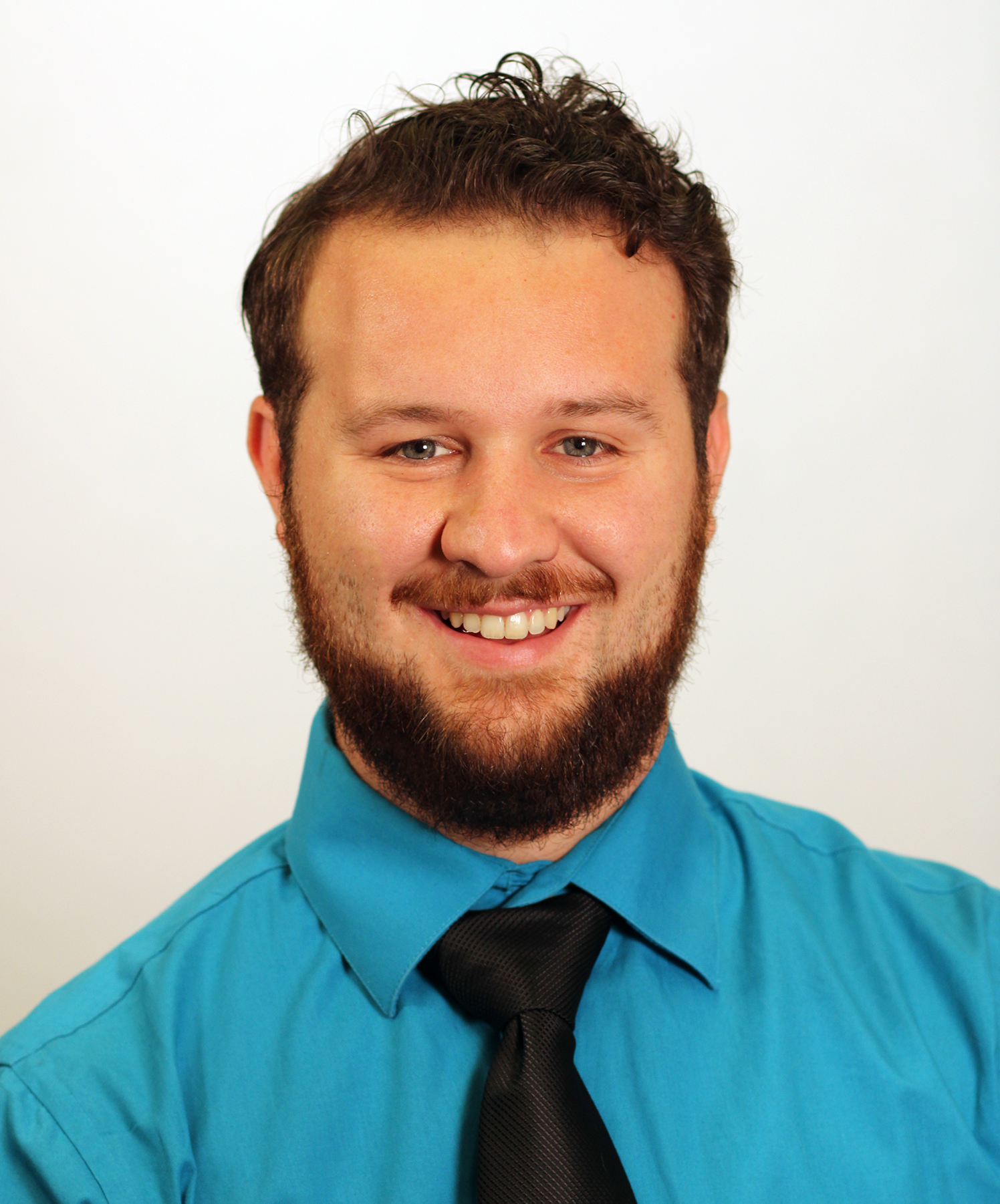 If you were to ask Jason’s friends and family to describe him in one word, it would definitely be fish. By the time Jason was 12, he was spending just as much time underwater SCUBA diving in Monterey, California as he was on land. The wonderment, curiosity, and connection Jason felt with the kelp forests and its inhabitants, lit the fire underneath him to pursue a career involving understanding and conserving the world’s oceans.
Jason earned a bachelor’s degree from California State University Monterey Bay in Marine Science and while there, immediately immersed himself in all things marine. He earned his scientific diving certification, became a certified drone pilot for the purposes of conducting intertidal habitat surveys, volunteered to collect crab megalopae data, and assisted in preparing samples for various projects at the Monterey Bay Aquarium Research Institute. He also received the National Oceanic and Atmospherics’ (NOAA) Ernest F. Hollings Scholarship during his junior year, which enabled him to conduct deep-sea, remotely operated vehicle research with the NOAA Office of Exploration. After two years of hard work, he published his first, first-author, scientific paper in Regional Studies in Marine Science. Upon graduation, Jason took some time from school to gain hands-on-experience working as a field technician. He worked as a scientific diver for UC Santa Cruz and collected observational data of fish, algae, and invertebrates in marine protected areas. He also worked for the Alaskan Observers program, which collects fishery discard data from commercial fishing vessels, to inform management of our natural resources.
After working in the field for some time, Jason continued his educational journey and attended the biology master’s program at Western Washington University. Here he sharpened his lab knowledge and researched the evolution of fish feeding mechanics, with the purpose of better understanding how fish diversify into their ecological niches. He specifically used zebrafish and transcriptomic techniques, to understand what genes underlie the development of the mandible (lower jaw region). As a NOAA Knauss Fellow with Washington Sea Grant, Jason is looking forward to continuing his journey with ocean policy work in Washington D.C.
AINA HORI
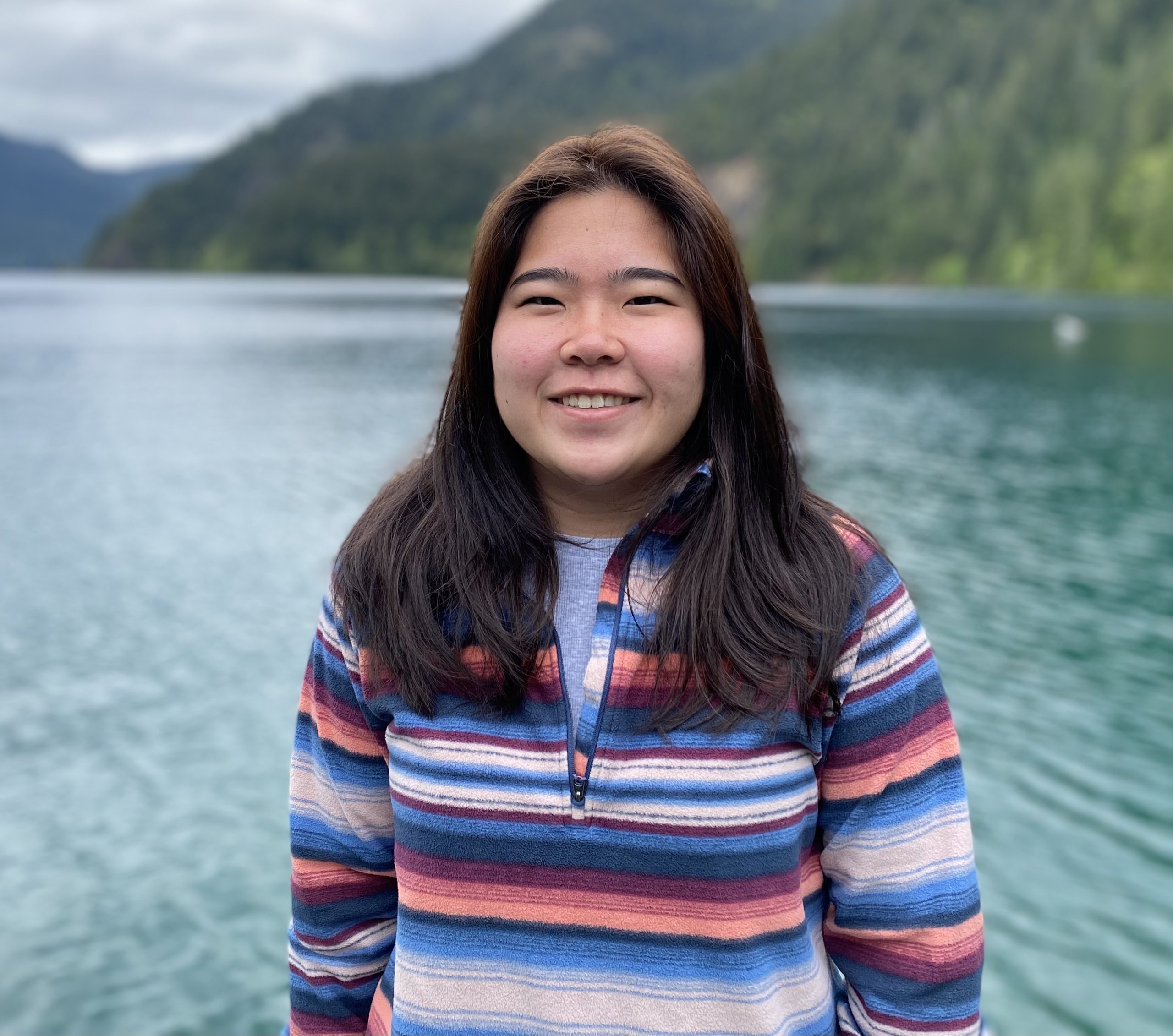 Aina grew up in Honolulu, Hawaii, with the ocean as a constant presence in her life. She describes the beach as her childhood playground, where she spent countless hours swimming, snorkeling, and playing in the sand. Over the years, witnessing the impacts of climate change on her local marine ecosystems ignited her passion for marine biology. She pursued this interest at the University of Washington, where she worked on various research projects examining the responses of marine species to environmental challenges, such as the biotic impacts of kelp crabs on bull kelp, factors influencing pinto abalone growth, and how mussels filter water under different stress conditions. Drawn to applied sciences, Aina continued her studies with a master’s degree at the University of Washington School of Marine and Environmental Affairs, where she focused on fisheries management, marine policy, and the critical intersection of people and marine environments. For her thesis, she researched how small-scale fishers in Nayarit, Mexico, are adapting their strategies to continue fishing despite challenges like climate change, competition, and pollution. Currently, Aina works as a Field Program Lead at the Seattle Aquarium, where she shares the wonders of the ocean and rivers with others, inspiring connections, curiosity, and a commitment to marine conservation. As a Knauss Fellow, she is excited to further her work at the intersection of science and policy, advancing marine science education and conservation efforts.
CAITLIN LAWRENCE
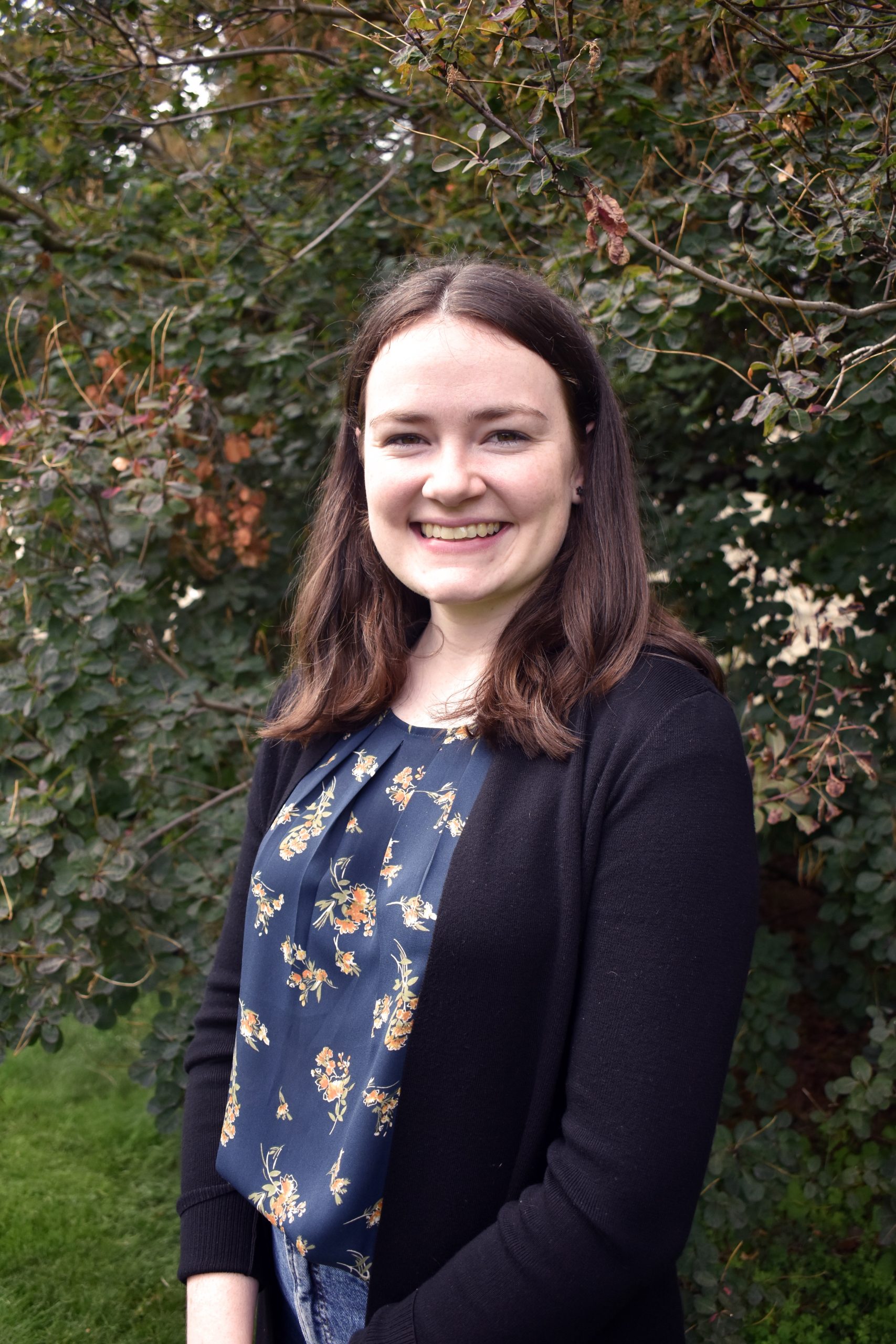 Caitlin is finishing her master’s degree in aquatic ecotoxicology at the Washington State University Puyallup Research and Extension Center. Her research is centered around identifying alternatives to 6PPD, a chemical used in tires that poses a threat to aquatic life, particularly coho salmon. Prior to attending Washington State University, Caitlin earned her bachelor’s degree in biology with a minor in chemistry at Wells College in Upstate New York where she developed an interest in environmental chemistry and the impact of human activities on aquatic ecosystems. After graduating she worked at a lab in New York performing toxicity tests to fulfill state and federal effluent discharge permit requirements. This position inspired her to return to school to pursue a research graduate degree focused on contaminants in aquatic ecosystems.
In addition to her academic work, Caitlin has been actively involved in public outreach and policy initiatives related to salmon conservation and stormwater toxicity. As the Salmonids and Stormwater Policy Intern at Puget Soundkeepers, she organized community meetings and collaborated with several groups to standardize salmon survey methods. She has also contributed to public awareness through podcast interviews, presentations, educational lessons, and workshops about 6PPD-quinone. Caitlin is passionate about bridging the gap between scientific research and environmental policy implementation, and is excited to have the opportunity to do this as a Knauss Fellow.
HELENA MCMONAGLE
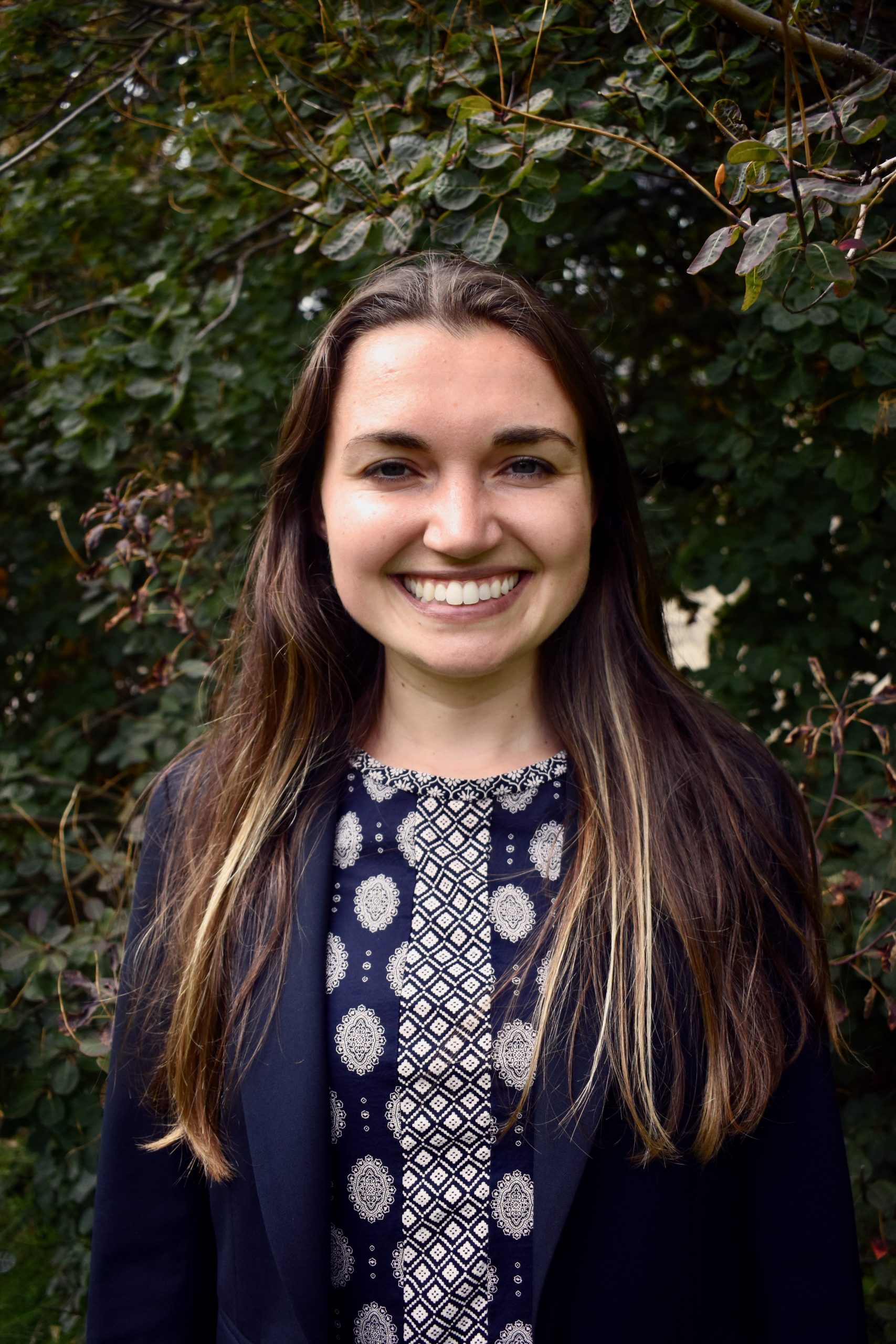 Helena mostly grew up in Maine and started undergrad at Wellesley College as a pre-medicine student, which seemed like the best fit at the time for someone who wanted to do science, contribute to her community, and work on improving wellbeing. But after learning more in college about the impacts that climate change, pollution, and other environmental issues have on nature and public health, she switched to a career in ocean sciences. Helena worked for three years as a teaching assistant and research assistant at Marine Biological Laboratory and Woods Hole Oceanographic Institution contributing to undergraduate STEM education and research in fish ecology and toxicology. To strengthen her ability to work effectively at the intersection of environmental research, policy and management, she started her PhD at University of Washington in the School of Aquatic and Fishery Sciences. Her dissertation quantifies ecosystem services (benefits humans receive from nature) associated with the world’s most abundant fishes. She is looking forward to working as a Knauss Fellow and learning more about how science can inform policy and decision-making, and also how policy shapes what science research is done. Other professional interests include engaging with the public about the ocean, and collaborating to make science and environmental management more inclusive and equitable.
NMFS - Sea Grant Fellows
2026
ANNA SULC
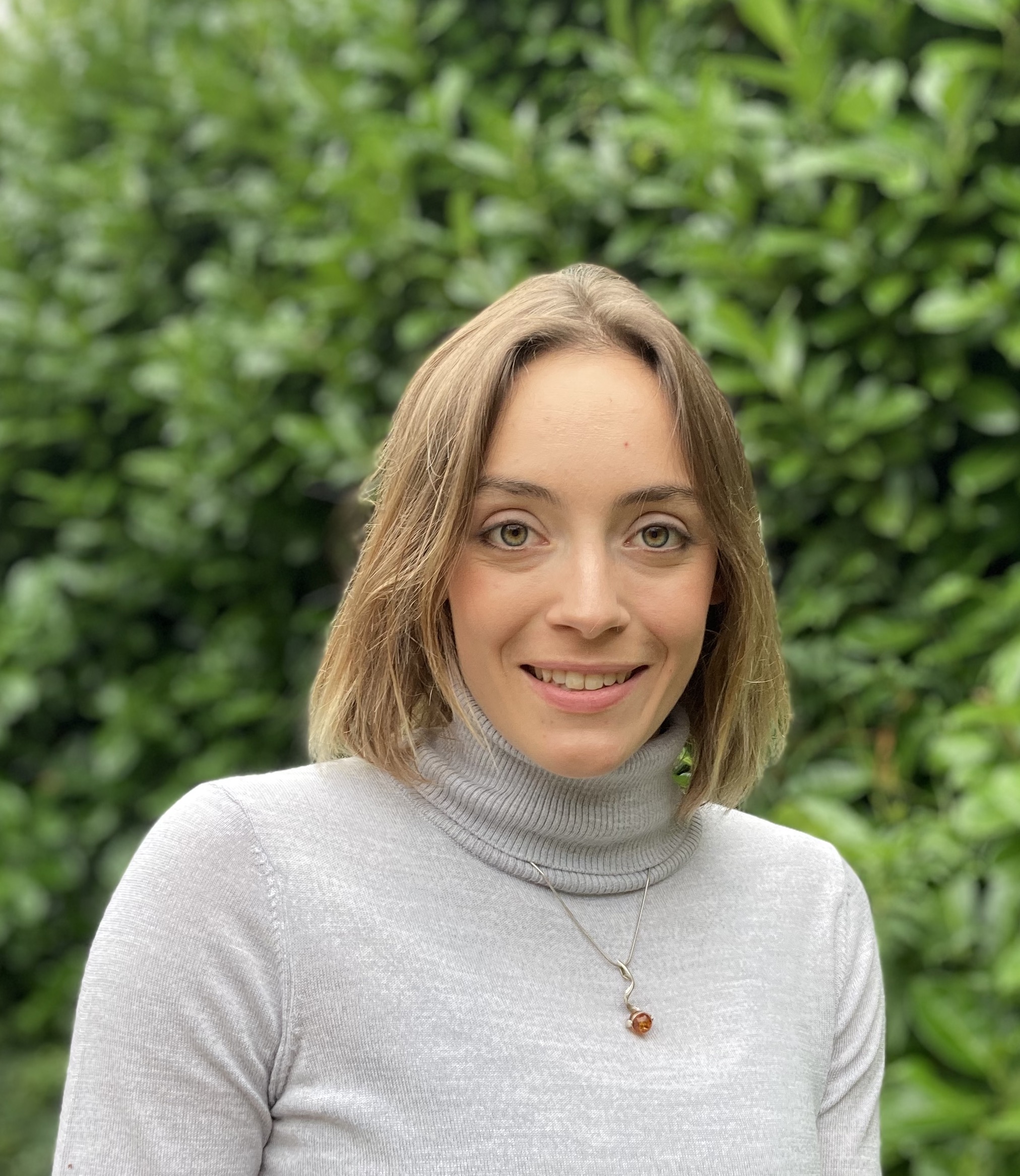 Anna is an Interdisciplinary Ph.D. student working at the intersection of fisheries, marine policy and oceanography. She received her Bachelors’ in Oceanography and in French from the University of Washington. Anna worked with Dr.Dee Boersma at the Center for Ecosystem Sentinels where she studied the relationship foraging patterns of breeding Magellanic penguins and large scale oceanographic events in Punta Tombo, Argentina. Anna continued on to a Master’s in Policy Studies at UW where she specialized in marine policy and law. Her research focused on exploring the interaction of international legislation (UNCLOS) and indigenous rights in international straits.
As a PhD student, Anna aims to bring these different skills together. Her research is focused on expanding a climate-enhanced age-based model with temperature-specific trophic linkages and energetics (CEATTLE) to include Northern Fur Seal (Callorhinus Ursinus) bioenergetics and population dynamics. These additions will allow for exploration of management trade offs under future ocean conditions given the importance of the predator-prey interactions between Northern Fur Seals and commercially important fish like Walleye Pollock (Gadus Chalcogrammus).
WSG Science Communications Fellows
2026
EMILY BJORNSGARD
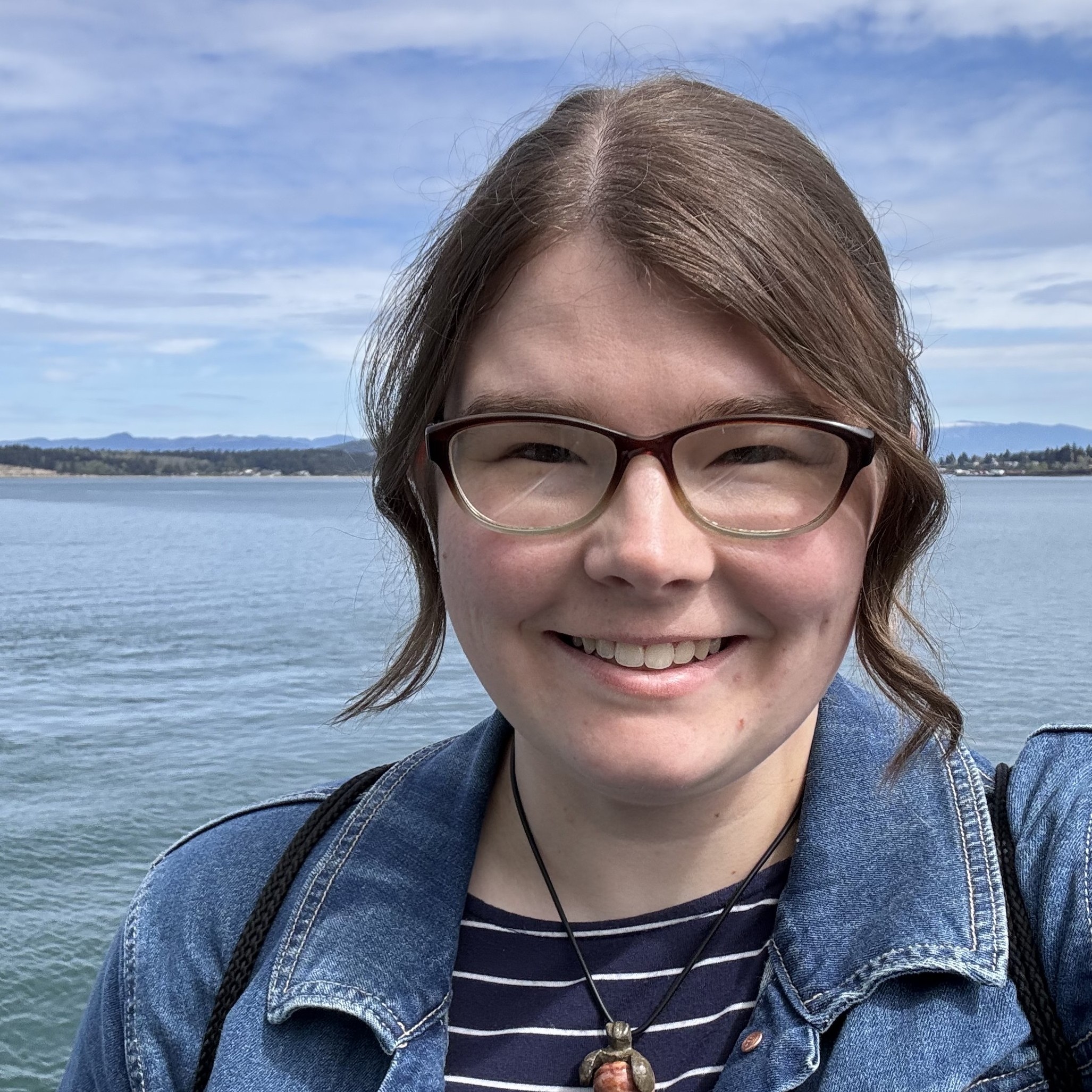 Emily Bjornsgard grew up in rural southwest Washington. As a lifelong coastal Pacific Northwest resident, she loves exploring and sharing the wonders of the marine waters. She has earned an associate of arts transfer degree from Grays Harbor College (2018), a bachelor’s degree in biology with a marine emphasis from Western Washington University (2020), and a certificate in aquarium science from Oregon Coast Community College (2021). She is currently pursuing a master’s degree in biology (marine and estuarine science) at Western Washington University, where she is examining the effects of diatom-derived polyunsaturated aldehydes (chemical compounds) on the survival and feeding abilities of Salish Sea forage fishes.
Between undergraduate and graduate studies, she worked at several aquarium and environmental education organizations in Washington and Oregon; where she cared for hundreds of marine species, raised baby fish, and created learning opportunities about our shared waterways. Through teaching, she discovered her true passion of connecting others with the world around us. As a Washington Sea Grant Science Communications fellow, she looks forward to learning and sharing more about the incredible research and environmental projects happening throughout Washington.
SEILER GRUBB
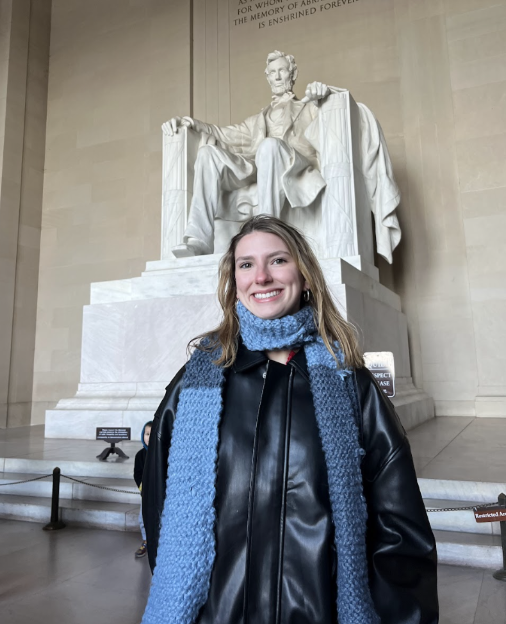 Seiler Grubb was born and raised in Missouri and, despite growing up in a landlocked state, developed a passion for marine biology and conservation. In 2023, she moved to Seattle to pursue an undergraduate degree in environmental studies and a minor in Arctic studies at the University of Washington. During the summer of her sophomore year, Seiler began interning with the Coastal Observation and Seabird Survey Team (COASST), where she worked with citizen volunteers in three different states on the West Coast. Within a couple of months, she took on a senior intern position with COASST and began working on projects to increase engagement with citizen volunteers.
Throughout her college career, Seiler has interned with several other programs specializing in environmental monitoring and fieldwork, including the Acidification Nearshore Monitoring Network and the Shilshole Light Trap Sampling team. Seiler plans on graduating in the spring of 2027 after completing her capstone project. Her academic and professional goals align with environmental policy analysis and implementation.
Washington Applied Sustainability Interns
2024
BELLA AGUIRRE
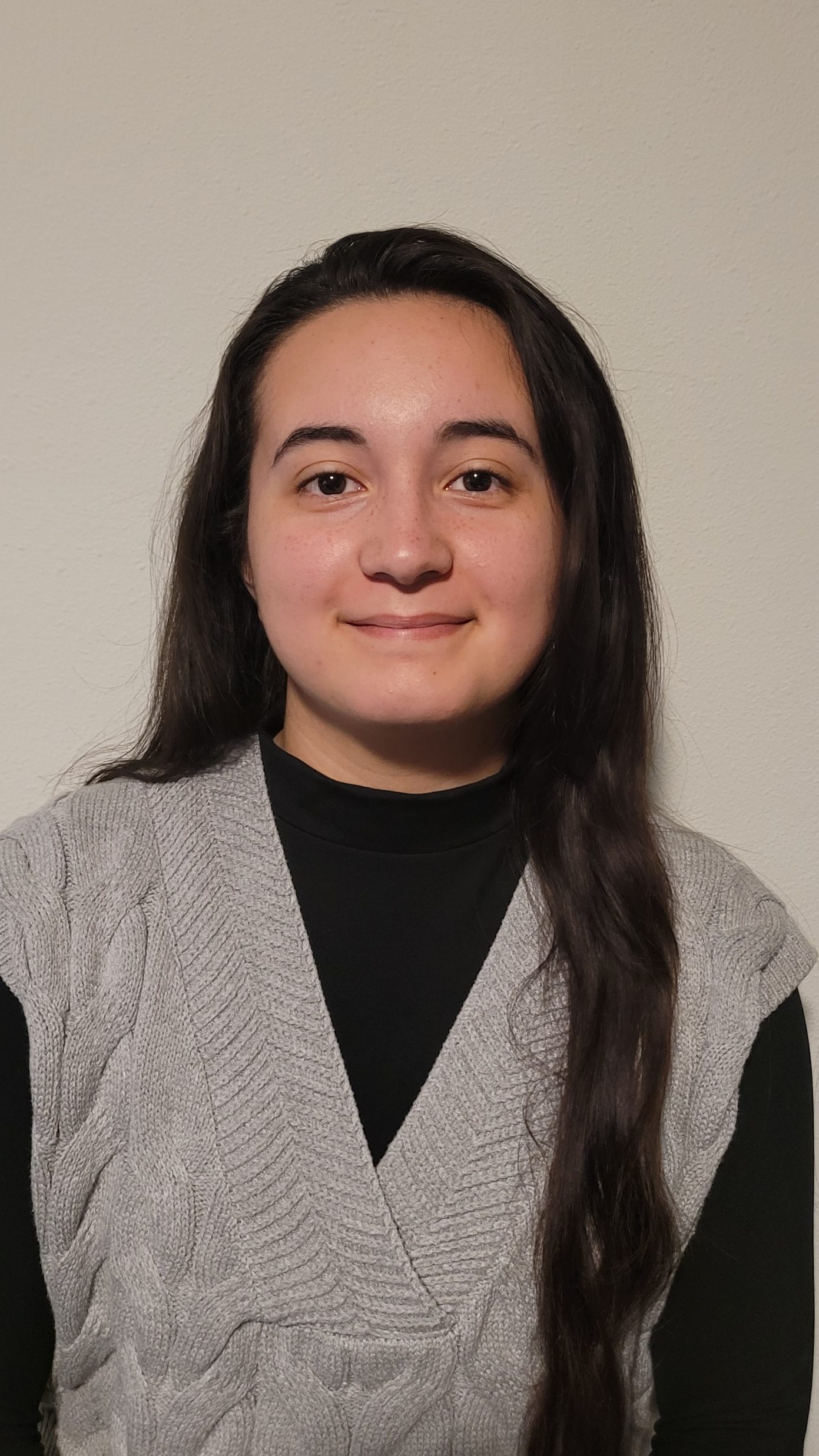 Bella was born in California, but has lived a little over half her life in Washington. With her love of being hands on, puzzles, and the multitude of solutions to one problem, Bella got an associates of science in engineering and is currently pursuing a bachelor’s degree in industrial and systems engineering at the University of Washington. Her academics has been guided by a goal to enter a career centered around clean energy and sustainability. During Bella’s time in living in Washington, she has fallen in love with the state’s majestic mountains and forests, serene lakes and coastline, and multi-seasonal sceneries. Inspired by a diversity class that shed light on the connections of societies and oceans, Bella felt compelled to actively contribute to preserving Washington’s nature. As a WASI intern at Valence Surface Technologies, she is eager to make an impact on environmental sustainability within the aerospace industry. Bella is excited about gaining practical insights into navigating the complexities of environmental compliance and initiatives. She sees her internship as a stepping stone towards a future where she can continue to drive positive change in environmental conservation.
ZAINAB AHMAD
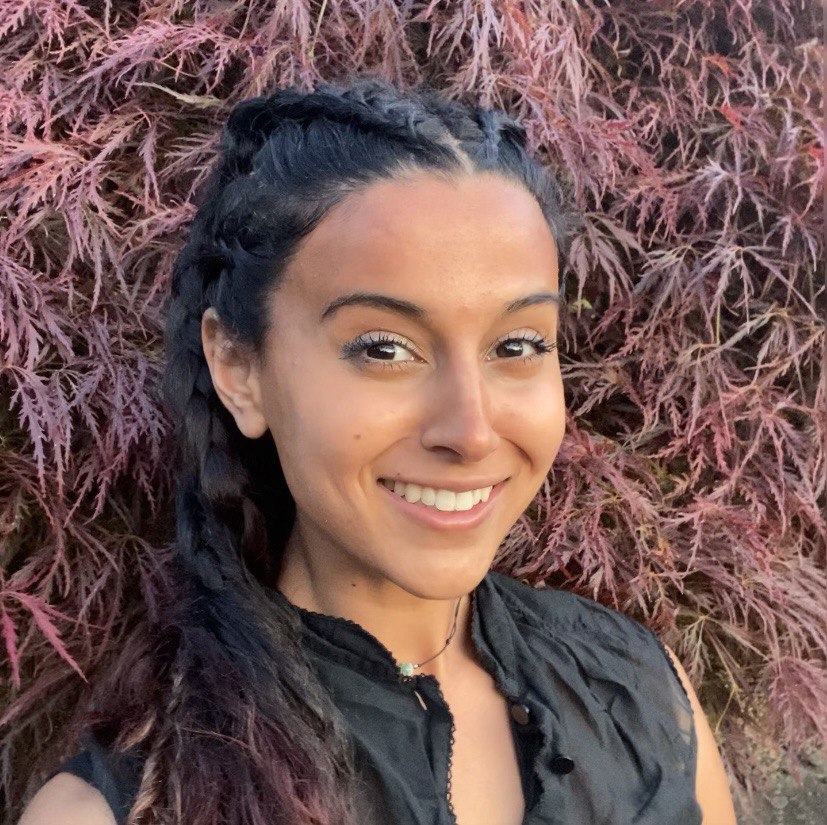 Growing up in the diverse terrain of Washington state, Zainab often found herself looking towards its ecosystems to reflect on the dynamics of balance and disruption. She began working in emergency and holistic medical settings, exploring how healing can draw from contemporary and indigenous sciences of the natural world. During her clinical work in rural communities of Washington, Utah, and Nevada she witnessed immediate and chronic health impacts from wildfires, contaminated water, and food deserts. This motivated her to think about the ways science can shape community partnerships and policy that protect body and place.
Zainab received her bachelor’s degree in chemistry at Seattle University, and engaged in various projects involving forest restoration, agroecology, microbiome research, wastewater treatment, and sustainable urban development. Exposure to the resource-intensive networks in clinics and labs helped guide her interests in green chemistry to consider how material production and use can employ less polluting and demanding processes. As a WSG applied sustainability intern, she will collaborate with LOTT Clean Water Alliance to track and reduce their scope 3 emissions and toxic chemical use. Being a part of a program that supports companies on their paths towards improved resource stewardship, she is inspired to learn more about what practical sustainability in industry can look like.
CASERA PINTO
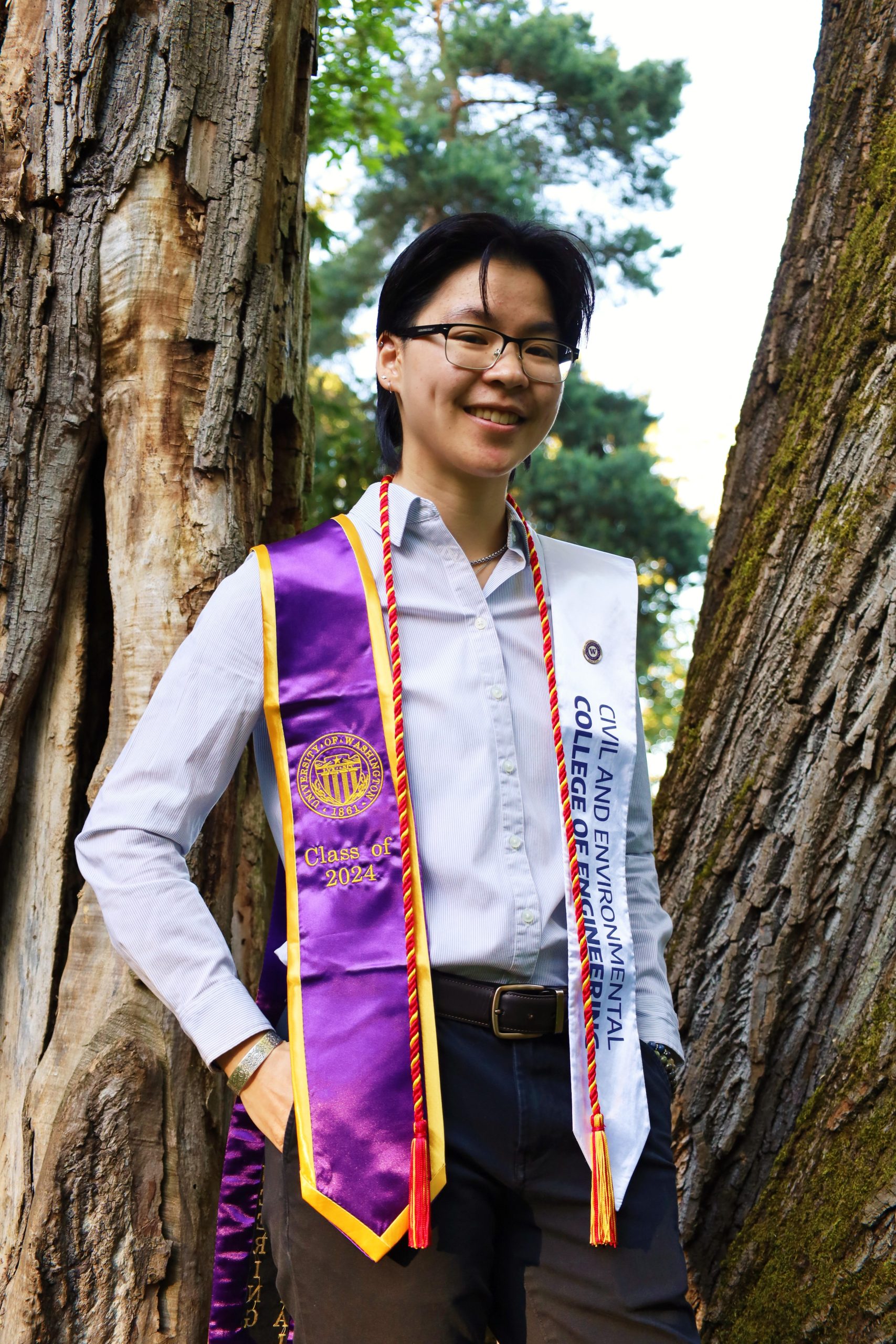 Casera (she/they) is an environmental engineering graduating senior from the University of Washington in Seattle. Growing up in California, they witnessed the impacts of heatwaves, droughts, and wildfires, igniting their passion for sustainability and climate change mitigation early on. She is driven by the vision to create an equitable symbiotic relationship between human infrastructure and the natural world, which is an aspect she has emphasized and explored throughout her time in the UW Civil and Environmental Engineering department. Since moving to Washington and studying at UW, Casera has spent extensive time studying diverse climate solutions and environmental justice. Her time as an undergraduate student was enriched by a transformative quarter abroad in India, where she delved into addressing accessibility issues in healthcare, an experience that profoundly shaped her personal and professional trajectory. Outside of their studies, Casera enjoys climbing, hiking, and watching movies with friends. Through the WASI program, she hopes to learn more about sustainable practices and gain the skills needed to tackle environmental challenges in the real world.
REIDEN EMERY
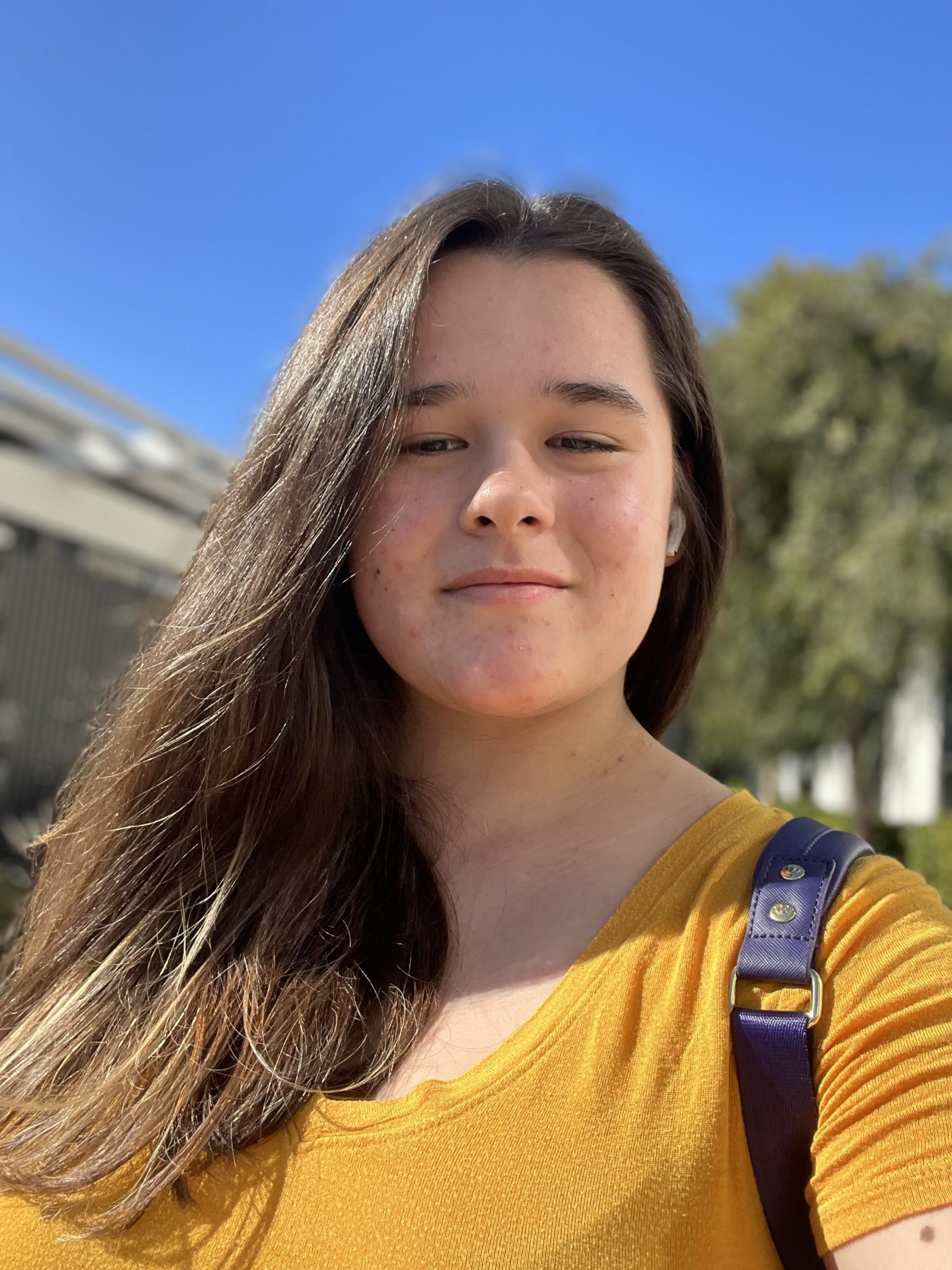 Reiden grew up in Edmonds, Washington and is working towards her undergraduate degree out-of-state in biochemistry as a third year at Cal Poly, San Luis Obispo. Their parents had always been involved in the scientific fields and paired with their passion for nature and preservation sparked by a Studio Ghibli movie, they began looking into green chemistry. Moving far away from home and gaining freedom, experience, and independence operating in an entirely new environment, she chose to pursue the more environmental aspects of her chosen field. She conducted research in Cal Poly’s laboratories, focusing on photochemistry, and is eager to gain more experience working in laboratories and sharing research. Outside of pursuing her degree, they have been swimming, knitting, and experimenting with different cooking and baking recipes. As a WASI Grant intern, they hope to learn more about the industry, continue to diversify their skillset, and collaborate with Toray Composite Materials America, Inc. to develop their solvent recovery system.
WSG Community Engaged Interns
2025
AVA VAUGHAN
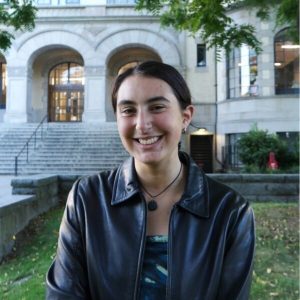 Ava is currently pursuing a dual degree in business administration and environmental studies, with a minor in nutrition, at the University of Washington. Raised on the Olympic Peninsula, she is passionate about sustainable natural resource policy, food sovereignty, and building community resilience capacity. At UW, she has taken on leadership and service roles as President of Net Impact, Undergraduate Representative on the Population Health Initiative, Presidential Scholar, UWild Field Guide, Climbing Club Staff Member, and Student Farm Club Volunteer.
NOAA Coastal Management & Digital Coast Fellows
2024
ROBYN NORMAN
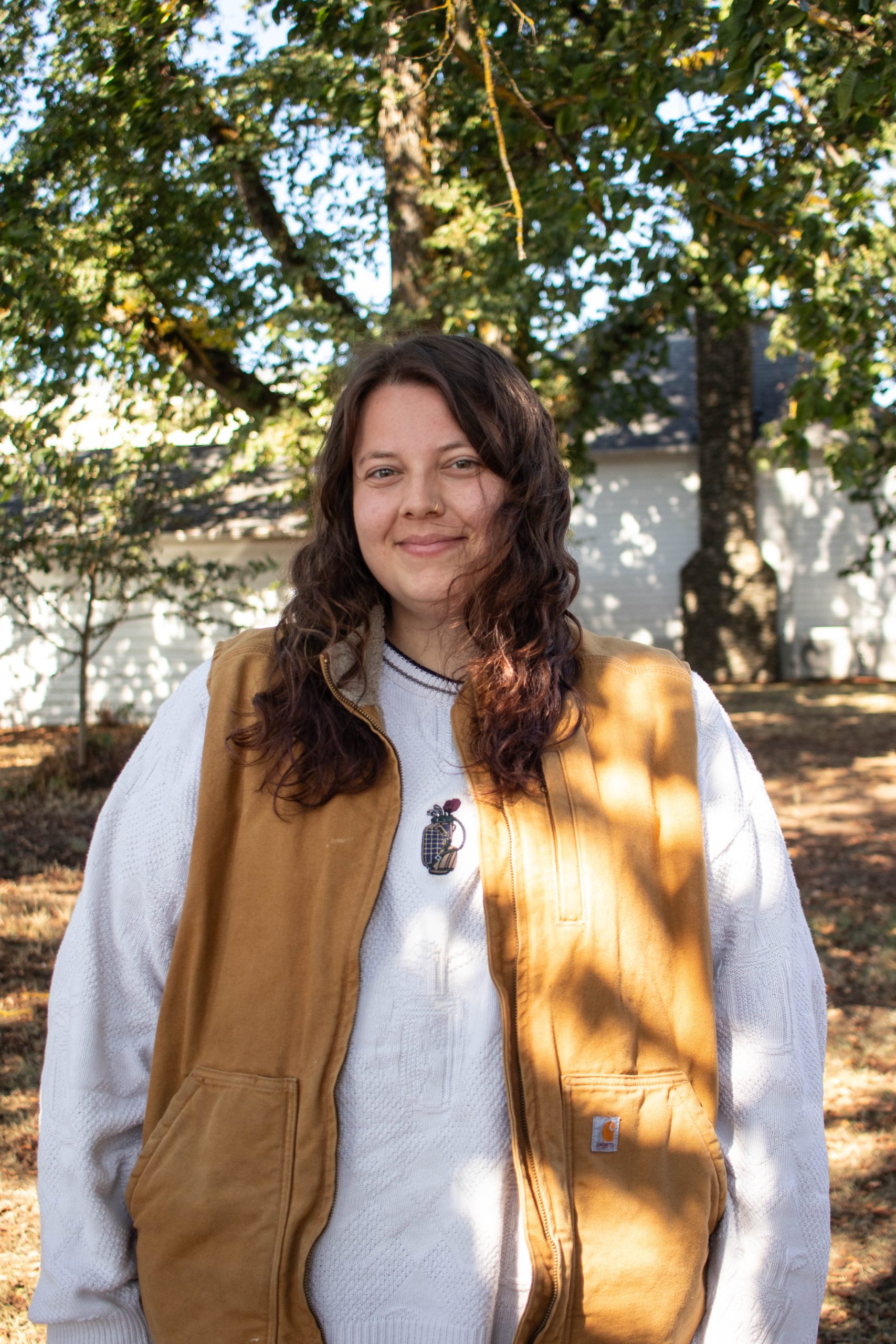 Originally, from Portland, Oregon, Robyn is a lifelong Pacific Northwest resident who spent her childhood on the sandy and not so sandy beaches of Oregon and Washington. She received her Bachelor’s degree as a research fellow in Biology from Oregon State University (OSU). At OSU she became a collaborator of the Coastal Oregon Zooplankton Investigation (COZI) and, over three years, participated in a variety of projects regarding Pacific Coast Feeding Group gray whales and their invertebrate prey. After graduation, Robyn quickly moved to Humboldt County, California for her Master’s thesis to continue researching gray whales and revive a +20-year-old study with the Marine Mammal Education and Research Program (MMERP) and Phenotype Environment Biodiversity Lab at Cal Poly Humboldt. There she worked with government agencies, tribal governments, and non-profit organizations to fund and eventually collect biological data across 100 kilometers of coastline and nearshore habitat with complex cultural, historical, recreational, and economic roots as well as ecologically important habitats and species. Through this collaborative research effort, Robyn became interested in coastal use and management within the context of changing natural resources, shorelines, and habitats. As a NOAA Coastal Management Fellow with the Washington Department of Ecology, Robyn plans to use her research background and collaborative project management experience to update and expand Washington shoreline public access data and resources for planners involved in comprehensive or coastal hazard planning as well as those interested in experiencing what the great outdoors has to offer.
KELLIE CUTSINGER
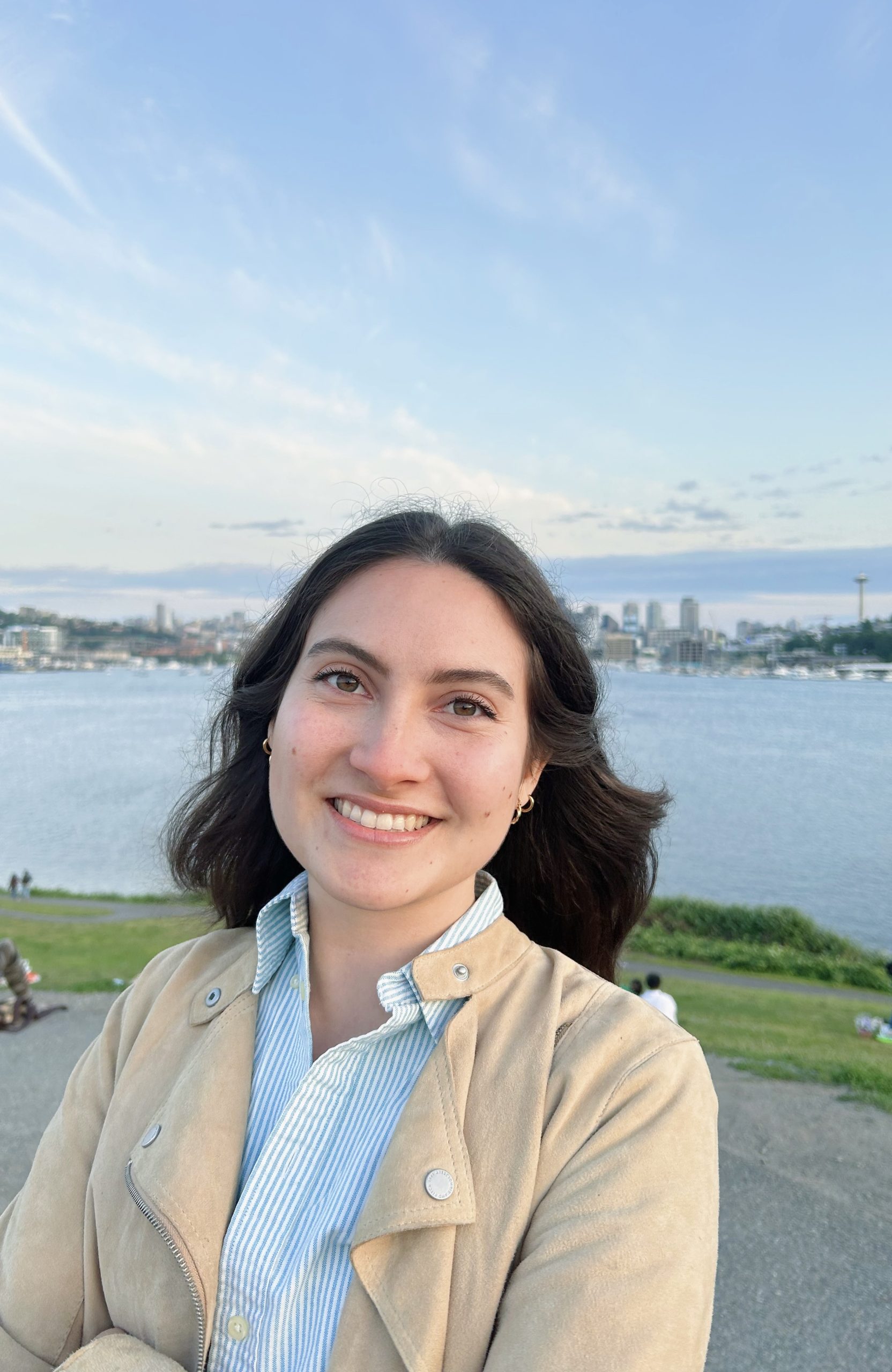 Originally from various parts of California, Kellie developed an affinity for all things related to the ocean from an early age. That affinity led her to attend the University of California, Santa Cruz and earn a bachelor’s degree in Marine Biology. During her undergraduate career, Kellie was able to gain knowledge and experience in various areas from partaking in internships, field quarters, and a study abroad program in Queensland, Australia. Her interests expanded beyond marine biology to include marine and terrestrial ecology, wetland restoration, salmon recovery, conservation, and science communication. These experiences reshaped her world-view of marine ecosystems and brought about her passion for centering human communities within coastal management through enhancing environmental equity and justice principles. This passion drove her to pursue an interdisciplinary master’s degree at the University of Washington’s School of Marine and Environmental Affairs. Working in collaboration with Iowa State University, her capstone research project focused on developing community-based mitigation and adaptation strategies with Alaska Native communities, who are facing increasingly frequent and severe flooding and erosion events along the Kuskokwim River. As a NOAA Coastal Management Fellow, Kellie is excited for the opportunity to continue to work in community engagement and aid in updating the DCRM’s wetland management plan in the Northern Mariana Islands.