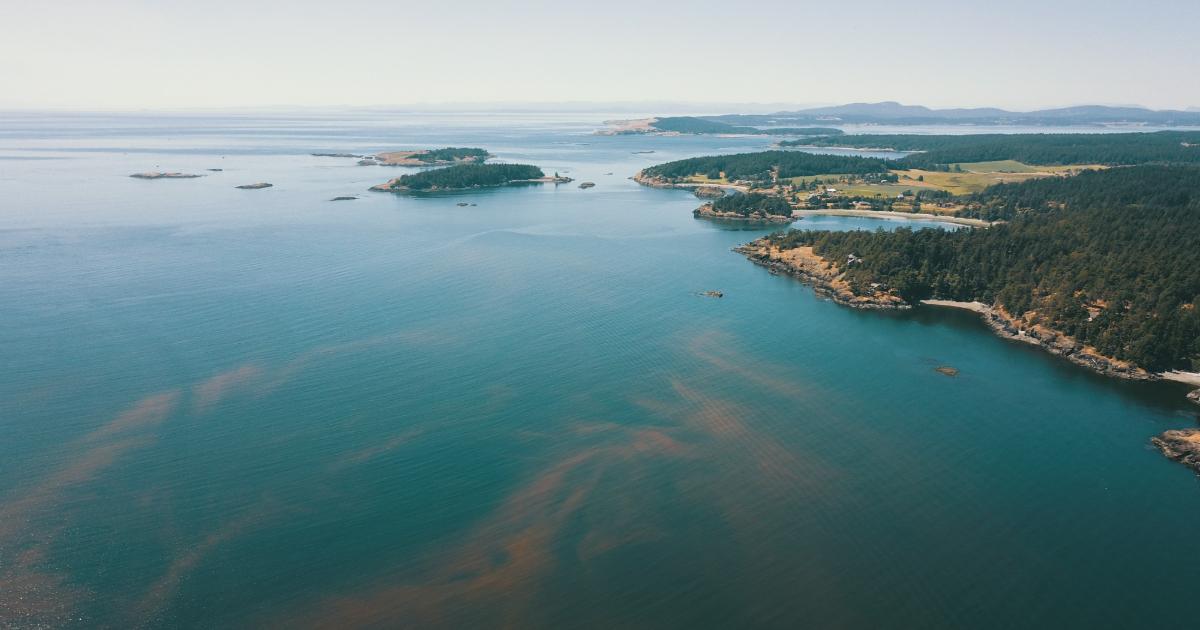
Several species of single-celled algae growing in Washington produce potent toxins that can poison marine animals or become concentrated in shellfish and sicken, even kill, humans who eat them. Even when they don’t harm humans, toxic blooms can force costly shutdowns of wild and cultivated shellfish harvests. Unfortunately, thanks in part to warming waters, harmful algae have expanded into new habitats and extended their blooming seasons. Blooms are also becoming more severe.
SoundToxins Monitoring for Harmful Algal Blooms
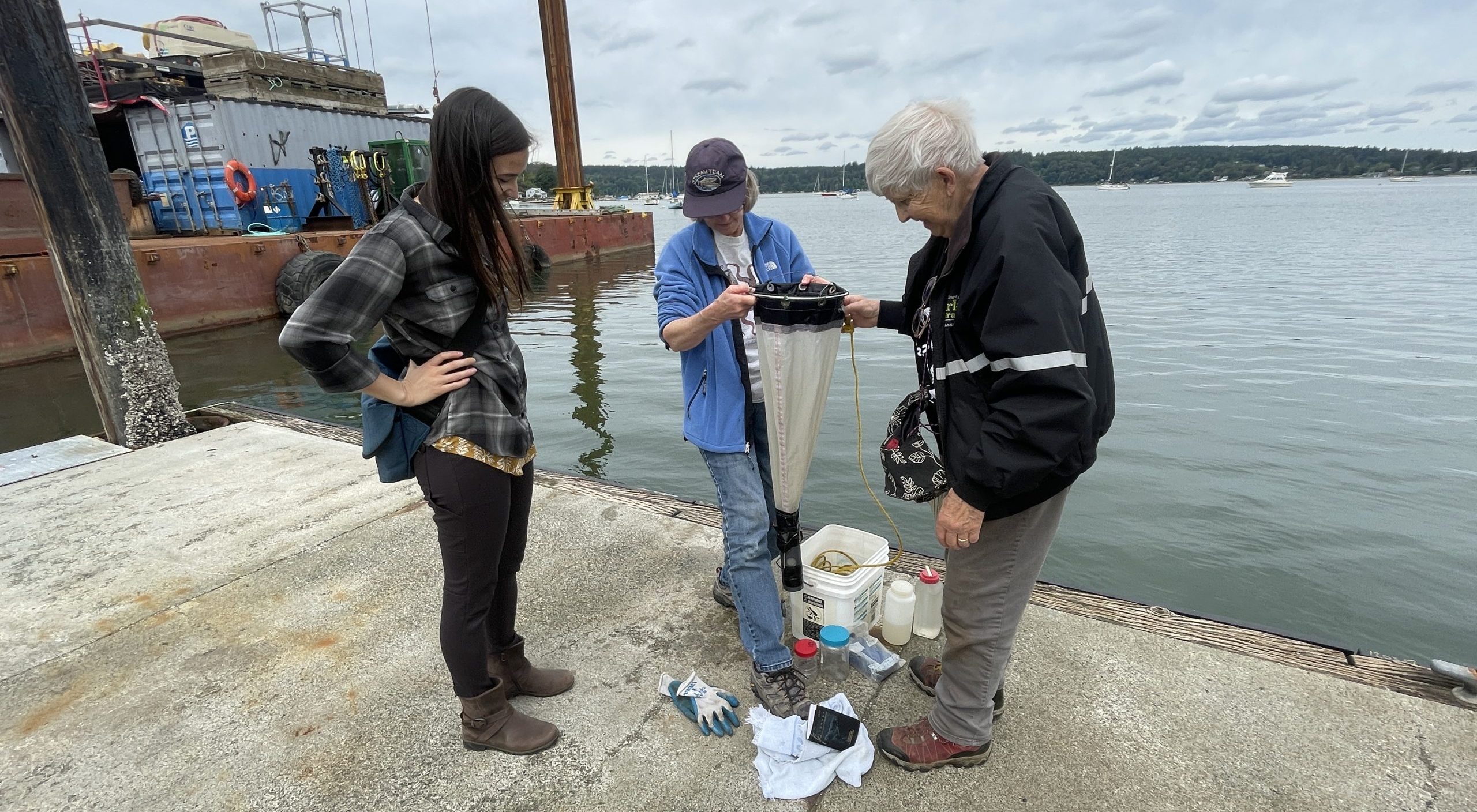
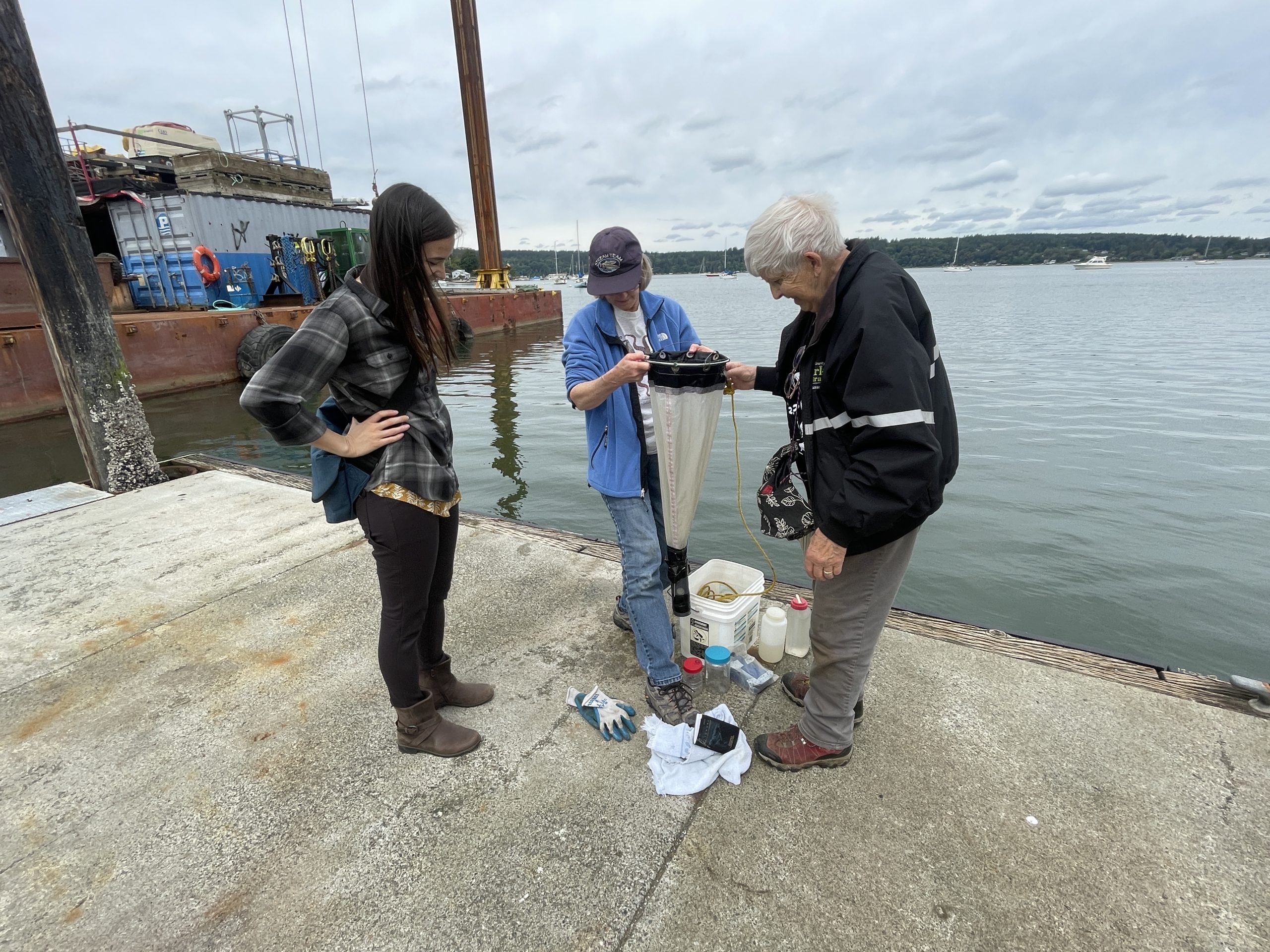
WSG educates shellfish gatherers, shoreline dwellers, and other citizens about harmful blooms. We manage the SoundToxins program, a network of trained monitors who regularly test vulnerable waters for dangerous species of algae. SoundToxins volunteers regularly sample sites across Puget Sound and the Pacific coast, providing an early warning of harmful algal bloom events in order to minimize both human health risks and economic losses to Washington fisheries.
SoundToxins website
Learn about harmful algal blooms
Who are these critters that can erupt into harmful algal blooms? The HAB species that most worry Washington health officials include the following:
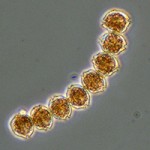 Alexandrium catenella, the so-called “red tide” dinoflagellate that causes sometimes-lethal paralytic shellfish poisoning (PSP), undergoes a dormant cyst state — lingering in bottom sediments — then erupts into blooms when conditions turn favorable, typically in warmer months. Blooms are now starting earlier, extending later into the year, and becoming more severe. This organism’s toxins can build up especially quickly in mussels, which filter high volumes of water, and may last a year or more in butter clams and non-native varnish clams.
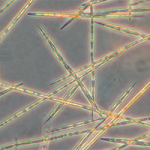 Pseudo-nitzschia diatoms produce domoic acid, the toxin that causes amnesic shellfish poisoning (ASP). Its symptoms can be neurological, as well as gastrointestinal. ASP’s effects on seabirds in California inspired Alfred Hitchcock’s film, The Birds.
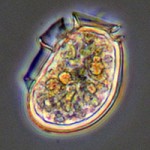 Dinophysis dinoflagellates cause the self-descriptive diarrhetic shellfish poisoning (DSP). Dinophysis floated for decades in local waters without apparent harm. Then, in 2011, three people came down with DSP after eating mussels from Sequim Bay. Sixty more fell sick in 2012 after eating mussels from Saltspring Island, Canada.
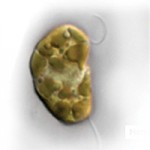 Heterosigma akashiwo, a raphidophyte, poisons fish rather than humans. Until 2014 it was only known to kill fish concentrated in aquacultural net pens. Then Jamestown S’Klallam tribal biologist Neil Harrington found hundreds of afflicted chum salmon washed up in Sequim Bay. Like Alexandrium, Heterosigma can hide dormant in sediments. Unlike Alexandrium, it can emerge whenever light and temperature conditions turn favorable. Heterosigma then swims rapidly to the surface and forms massive toxic blooms.