
From salmon fishermen on Puget Sound to oyster farmers in Grays Harbor, Washingtonians’ lives are intertwined with Washington’s living marine resources. The seafood industry — including harvesting, processing, marketing, and consumption — is a vital part of the Pacific Northwest’s culture and commerce.
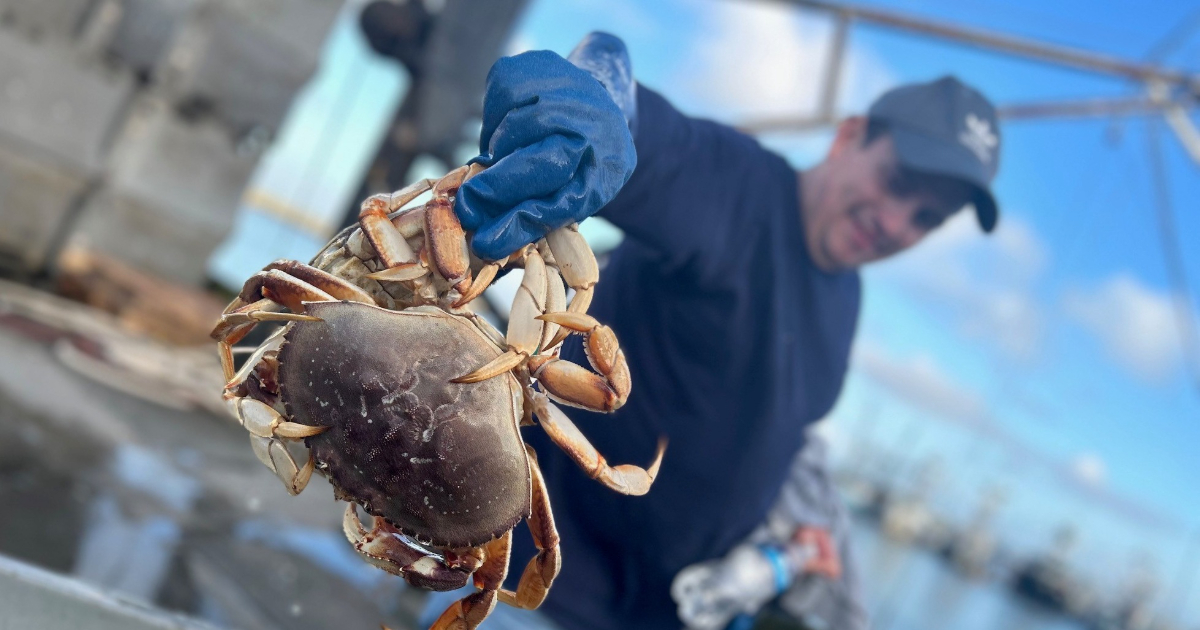
The unique heritage and legal framework of Washington state fisheries is key to determining coastal community needs and priorities. For example, 24 of the 29 federally recognized Indian tribes and two intertribal commissions co-manage the state’s fisheries resources. At the same time, Washington’s seafood industries face a range of challenges, including environmental change, diminishing fish stocks, complex regulations, the inherent dangers of work on the water, and inadequate pipelines to build and sustain the workforce.
Washington Sea Grant’s programming addresses each of the above challenges and creates new opportunities by integrating ecological, social, economic and institutional perspectives to help guide the cultural, environmental and financial well-being of Washington’s fisheries and aquaculture.
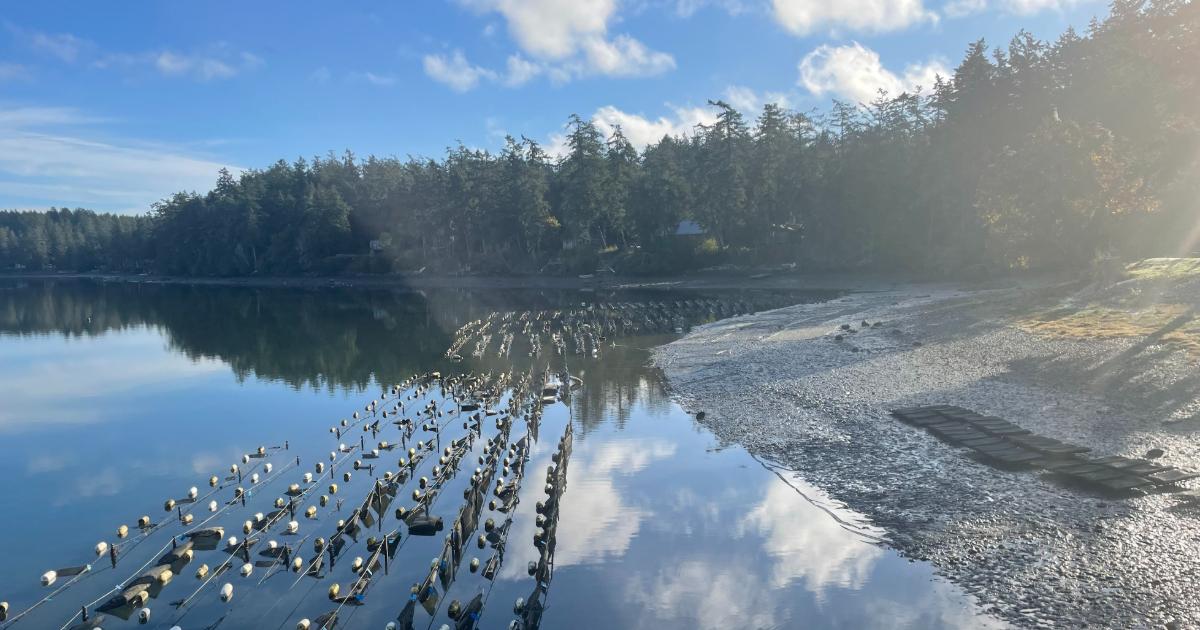
Topic areas
What we do
- Indigenous Aquaculture Collaborative
- Rapid Response Network
- Seafood resources listserv
- SoundToxins harmful algal bloom monitoring
- Tide’s Out aquaculture workforce development
- Willapa-Grays Harbor Estuary Collaborative
- Training for commercial fishermen
- Crabber/Towboat Lane Agreement
- Discover West Coast Seafood
- HACCP seafood handling classes
- Profile series featuring commercial fishermen
- Heaven on the Half Shell, a book published in partnership between WSG and UW Press
- WSG-funded research