WSG welcomes new cohort of Coastal Resilience Fellows
Congratulations to our new WSG Coastal Resilience Fellows!
We are pleased to announce that Aurora Oceguera, Ava Vaughan, Cal Schurman, Chelsea Korbulic, Morgan Dreibelbis, and Sam Soule have been awarded the Washington Sea Grant Coastal Resilience Fellowship for 2026-2028.
The WSG Coastal Resilience Fellowship is a unique educational opportunity for early or shifting career professionals to provide additional capacity for coastal communities around coastal resilience. A two-year, paid fellowship program, the WSG Coastal Resilience Fellowship is driven by coastal communities’ most urgent and critical areas of focus around coastal resilience. The fellowship is funded by the Climate Resilience Regional Challenge through the Department of Commerce and the National Oceanic and Atmospheric Administration.
Host offices for this cohort of fellows are Coast Salmon Partnership, Port of Bellingham, Lummi Nation, Lower Elwha Klallam Tribe, Quileute Tribe, and Evergreen Coast Economic Development District.
Learn more about our new WSG Coastal Resilience Fellows below!
AURORA OCEGUERA
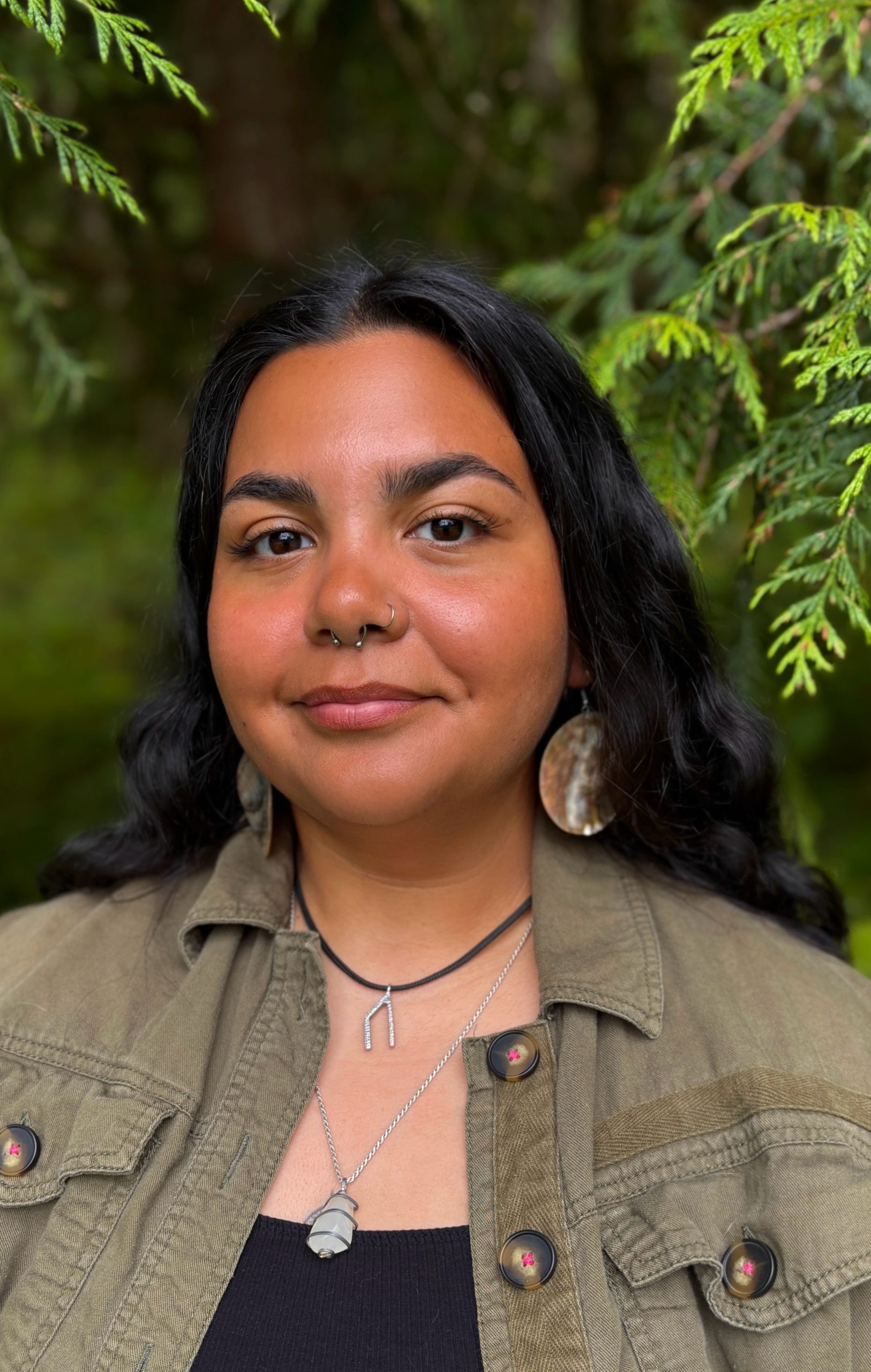 Aurora grew up splitting her time between the Southwestern United States and coastal México, and holds a deep connection to her Mexican Indigenous roots. Spending so much time in her childhood on the Pacific Coast, she developed a strong relationship with the ocean and yearned to understand the sea in all ways possible. This led her to pursue a higher education and she graduated from The Evergreen State College in Olympia, WA, earning a Bachelors of Science in marine biology with an emphasis on restoration ecology.
Following graduation, she immediately jumped into the world of habitat restoration and headed the kelp lab at the Puget Sound Restoration Fund. This led into an opportunity to go work at a remote salmon hatchery off of the coast of Kodiak, AK; there she fell in love with the fisheries world and all things salmonid. As an Indigenous Latina, Aurora has found community with Coast Salish tribes; whether that’s growing bull kelp for Squaxin Island Tribe, working on the Quileute reservation for Washington Department of Fish and Wildlife, or at her home away from home, with her Chinook canoe family. She is deeply passionate about native stewardship of the land and sea, and aspires to merge traditional ecological knowledge with western empirical science in a way that communicates complex scientific ideas into compelling narratives that are easier to digest and understand. As a Coastal Resilience Fellow with Coast Salmon Partnership, Aurora is thrilled to be continuing her salmon journey and working in an impactful role that aligns with her values of equitable habitat restoration strategies.
AVA VAUGHAN
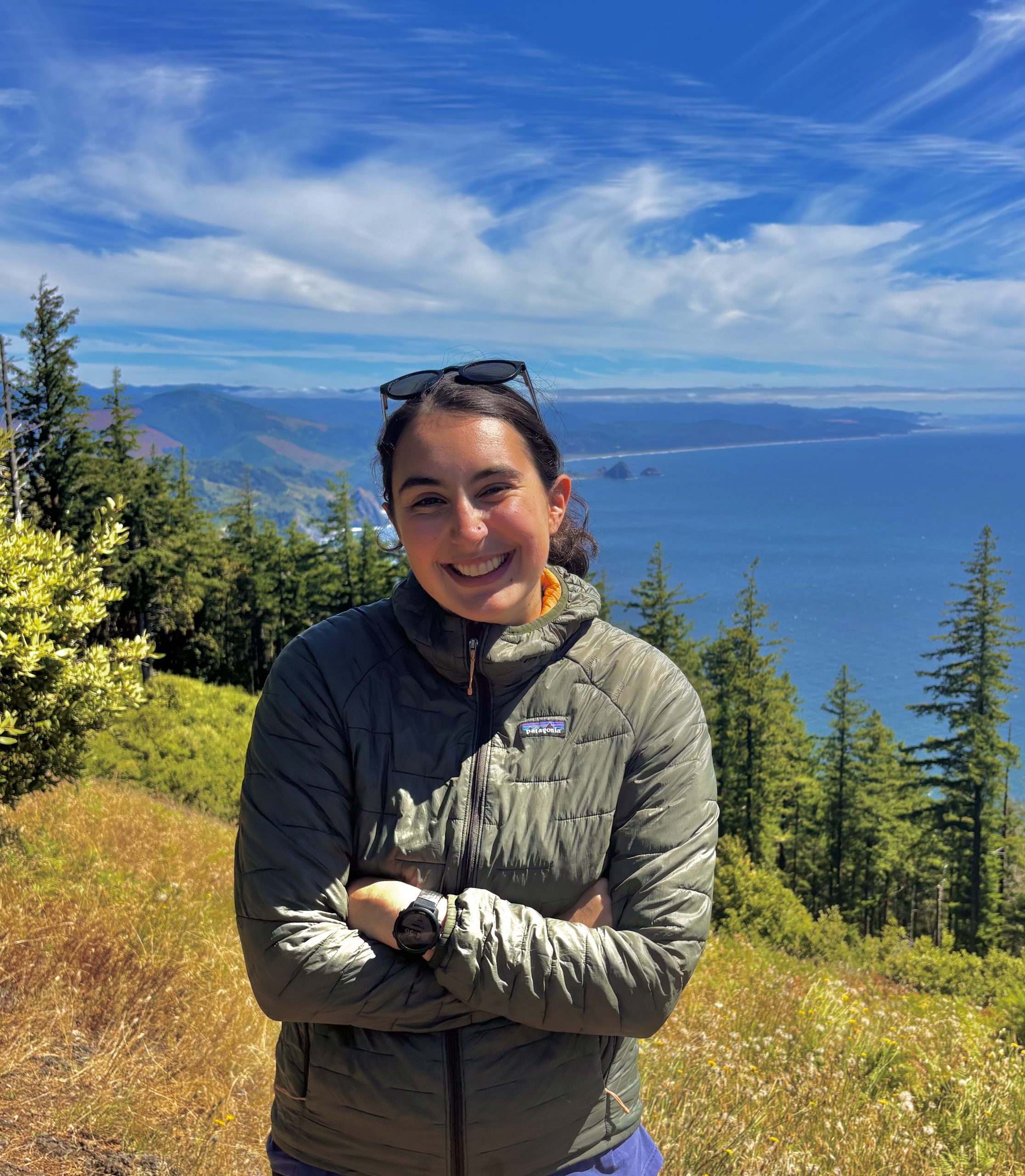 Ava grew up on Washington’s Olympic Peninsula and recently graduated from the University of Washington with dual degrees in environmental studies and business administration, along with a minor in nutrition. She is passionate about the intersection of natural resource management, economic development, and community resilience, with a particular interest in equitable climate adaptation and socioecological systems.
Her work has focused on helping communities prepare for the impacts of climate change through collaborative planning and applied research. As part of a yearlong project with Washington Sea Grant and the Washington State Emergency Management Division, Ava examined how social vulnerability and public engagement are incorporated into local hazard mitigation planning. She also served as an Oregon Sea Grant Summer Scholar with the Oregon Department of Fish and Wildlife’s Marine Reserves, where she conducted a public process review to identify opportunities for strengthening stakeholder engagement in adaptive management.
Beyond coastal resilience, Ava is interested in corporate sustainability, sustainable food systems, and expanding equitable access to the outdoors. She is excited to continue her professional journey as a Coastal Resilience Fellow, supporting the development of a Coastal Hazards Adaptation Plan for the Port of Bellingham.
CAL SCHURMAN
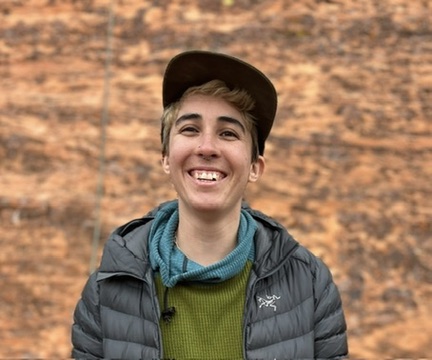 Growing up in a small town in New Mexico, Cal developed a deep appreciation for the outdoors and the communities that depend on healthy landscapes and water resources. After moving to Washington nearly a decade ago, they formed a passion for the Pacific Northwest’s rivers and coastlines and recently earned a Master’s degree in civil and environmental engineering with a focus on hydrology from the University of Washington.
Through graduate research and environmental consulting, Cal has worked on coastal resilience, water resources, hydraulic modeling, and environmental data analysis. They are motivated by a belief that resilient infrastructure and healthy ecosystems should benefit everyone and are especially interested in expanding equitable access to environmental resources. As a Coastal Resilience Fellow with Lummi Nation, Cal looks forward to learning from Tribal staff and community members while supporting the implementation of Lummi’s Coastal Resilience Plan.
CHELSEA KORBULIC
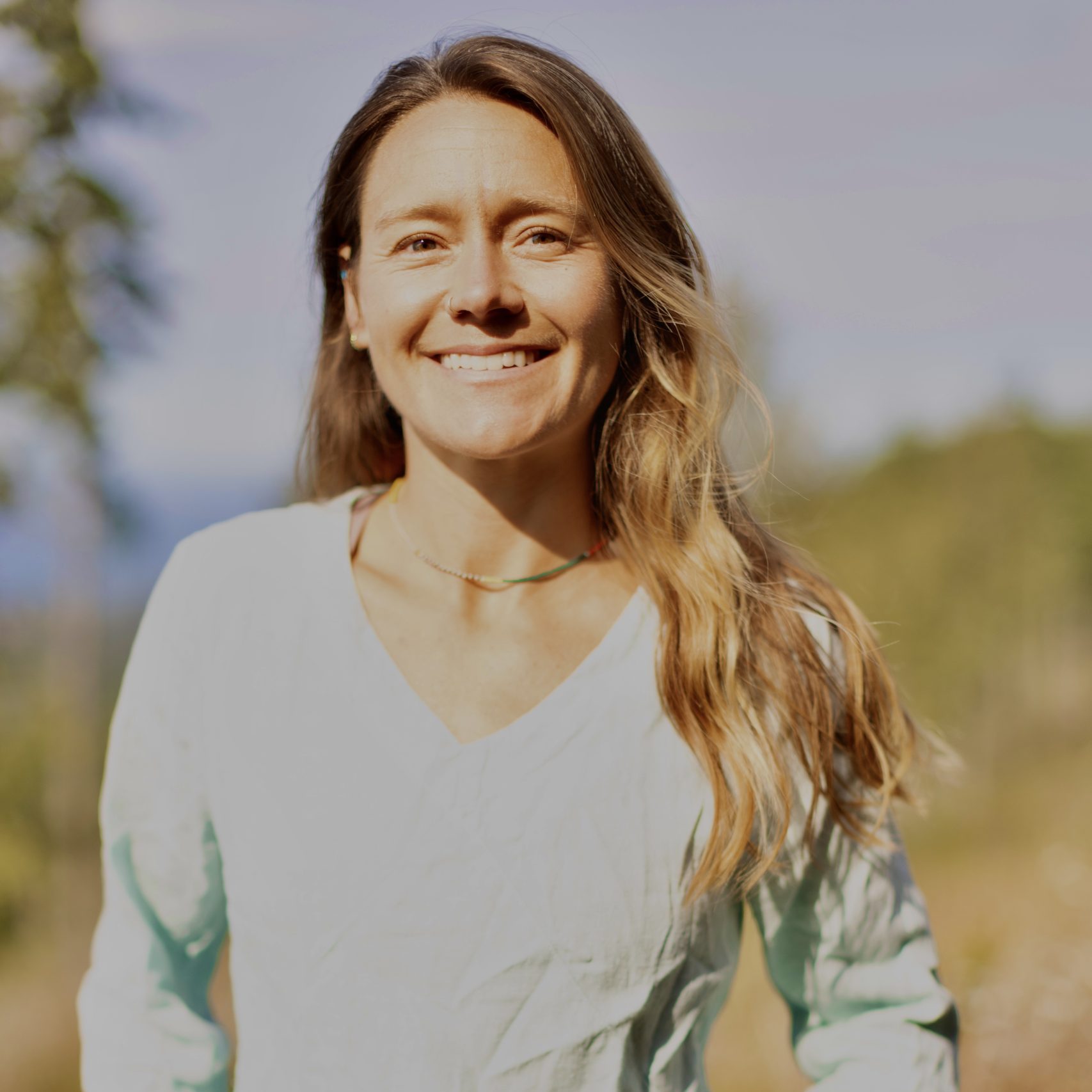 Chelsea Korbulic is a passionate scientist and educator whose work focuses on the restoration of social-ecological systems through community engagement and reciprocity. With a career spanning from coral reef research in Polynesia to natural history guiding in Antarctica, Chelsea has spent the last six years establishing strong roots in Port Angeles, WA. Her professional journey in the Elwha watershed includes creating community science monitoring opportunities, co-developing and leading place-based field and classroom curricula for K-12 programs, conducting a wide range of environmental data collection, and fostering collaborative salmon habitat conservation outreach.
As the WSG Coastal Resilience Fellow with the Lower Elwha Klallam Tribe (LEKT), Chelsea is thrilled to continue cultivating relationships with LEKT departments and community members while leveraging her hands-on expertise in natural resource management and established partnerships with other local entities to support implementation and communication of climate adaptation initiatives. By integrating her interdisciplinary background in marine, environmental and social sciences with a deep commitment to the stewardship of the coastal community she now calls home, she is dedicated to protecting the integrity of ongoing Elwha ecosystem recovery and working directly with the LEKT’s Planning/Economic Development and Natural Resources Departments to prioritize community-driven, nature-based strategies for enhancing nearshore resilience.
MORGAN DREIBELBIS
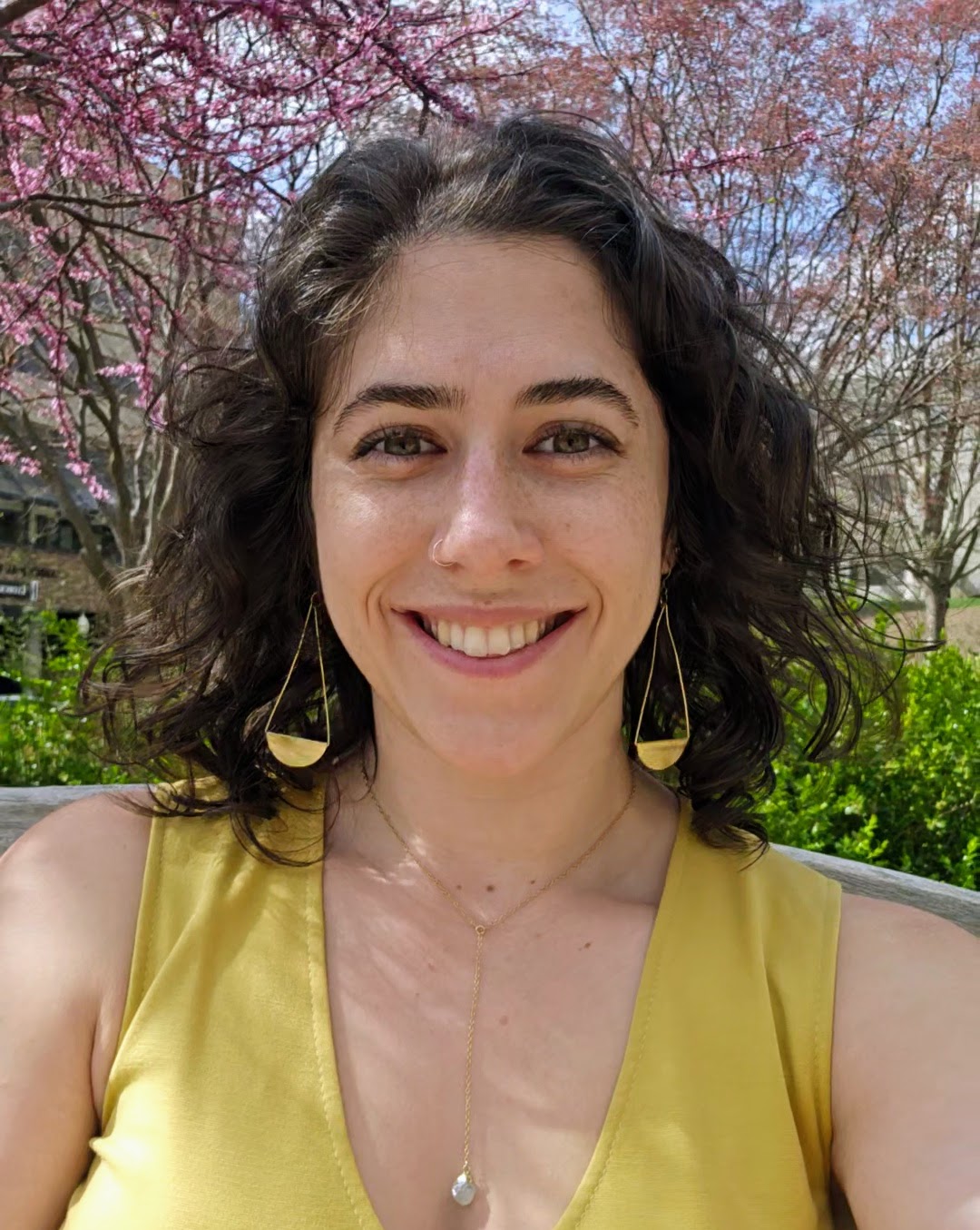 Morgan grew up in Vermont spending her summers on the shores of Lake Champlain, where she developed an interest in the unique challenges facing coastal communities and ecosystems from development, climate change, and insufficient resources to address these issues. While obtaining her bachelor’s degree at the University of Vermont in international environmental law and policy, Morgan was a legal research intern at the Natural Resources Board of Vermont and participated in the Vermont Legislative Research Service, co-authoring research reports on behalf of members of the Vermont Congress to inform legislative decision making. After graduation, she found a new home in Seattle, Washington where she worked as a paralegal. Inspired by the small communities she met along Puget Sound and with the goal to return to Washington to work at the community level, Morgan left to pursue a dual master’s degree at the American University School for International Service in D.C. and the UN-mandated University for Peace in Costa Rica in international relations, natural resources and sustainable development. She found her passion in environmental peacebuilding, disaster recovery, and coastal resiliency, leading to the publication of her research on Dominica’s disaster recovery resiliency policy’s prioritization of tourism over agriculture, and the impact that has on domestic food security.
Morgan is excited to return to Washington and work with the Quileute Tribe through the Coastal Resilience Fellowship. This opportunity will combine her professional experience in the legal field with her passion for supporting coastal community resiliency and adaptation, indigenous sovereignty, and conservation.
SAM SOULE
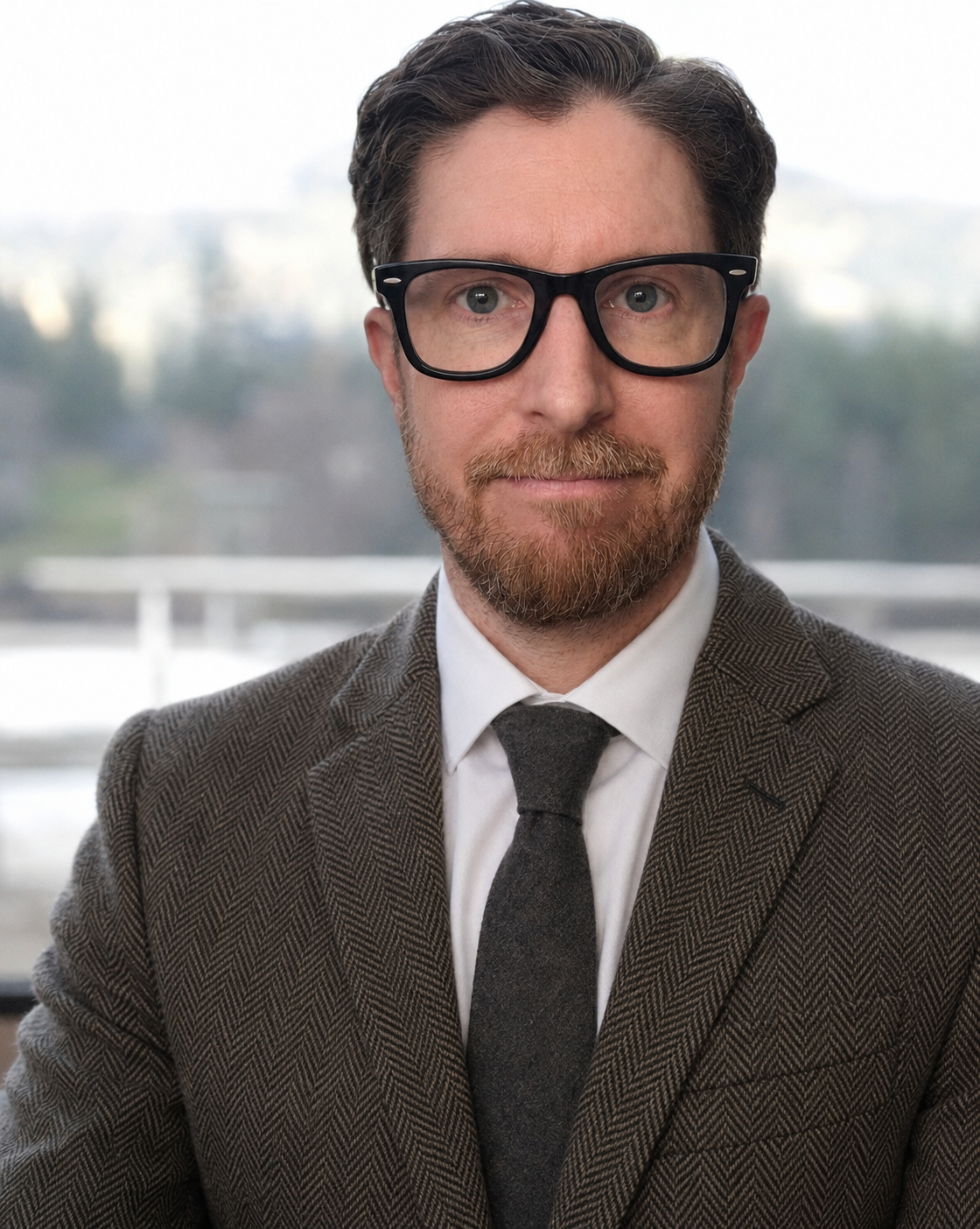 Sam Soule is a Washington Sea Grant Coastal Resilience Fellow with the Evergreen Coast Economic Development District. He earned his Master of Marine and Environmental Affairs degree from the University of Washington, where he focused on fisheries policy, coastal resilience, and environmental governance. Prior to graduate school, Sam served in the U.S. Navy and built a career in operations, logistics, and customer service, experiences that strengthened his passion for public service and collaborative problem-solving.
A lifelong angler and conservation advocate, Sam is particularly interested in salmon recovery, watershed resilience, and strengthening coastal communities through science-informed policy and regional partnerships. Outside of work, he enjoys fly fishing throughout the Pacific Northwest, volunteering on habitat restoration projects, and sharing his love of fisheries conservation through education and outreach.
Congratulations, fellows! We can’t wait to see what you accomplish.