Washington CoastSavers and partners make a big impact removing marine debris
Volunteers removed 153,000 pounds of marine debris from coastal beaches following the annual Independence Day cleanup. The next event takes place August 15
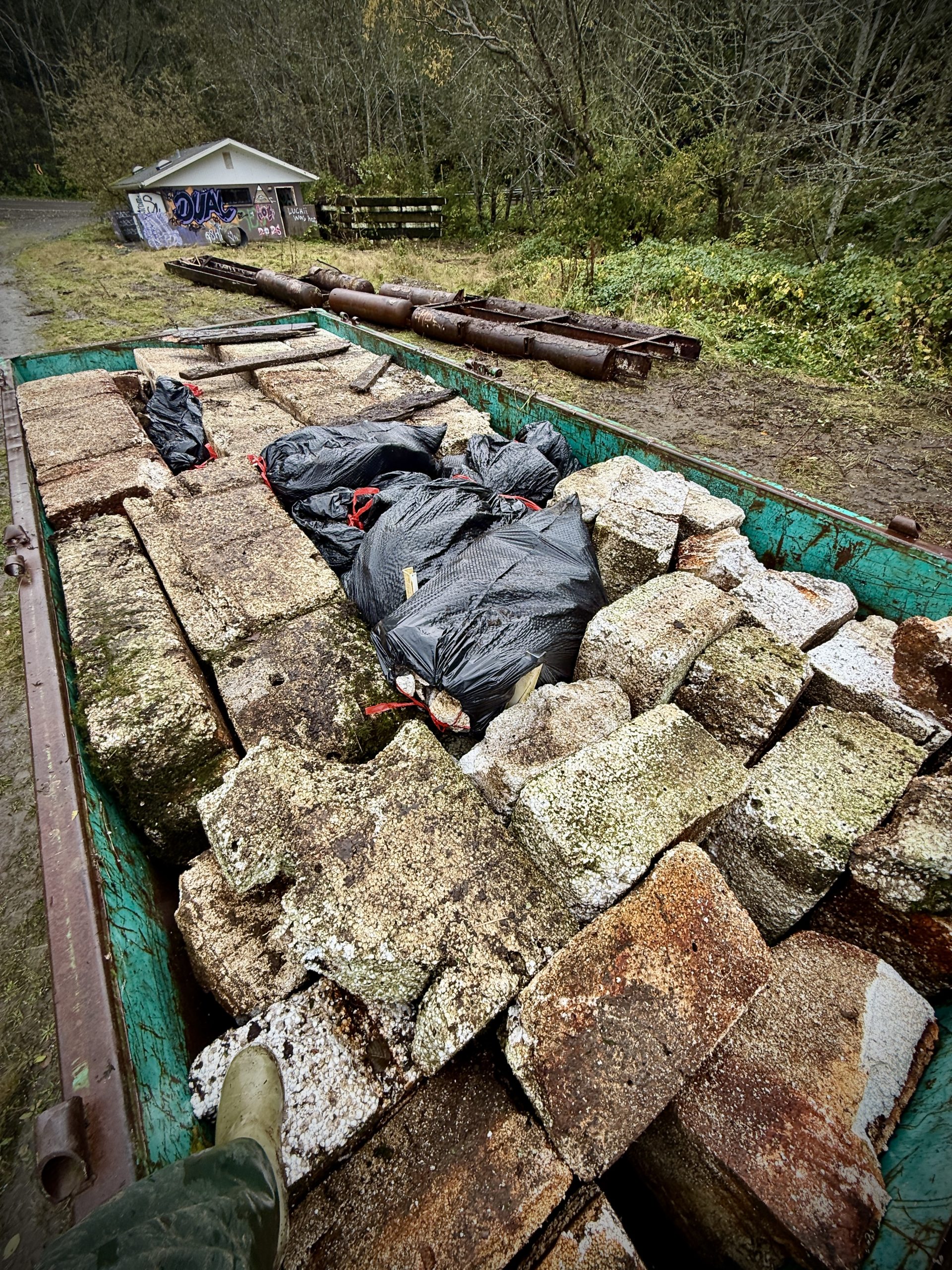
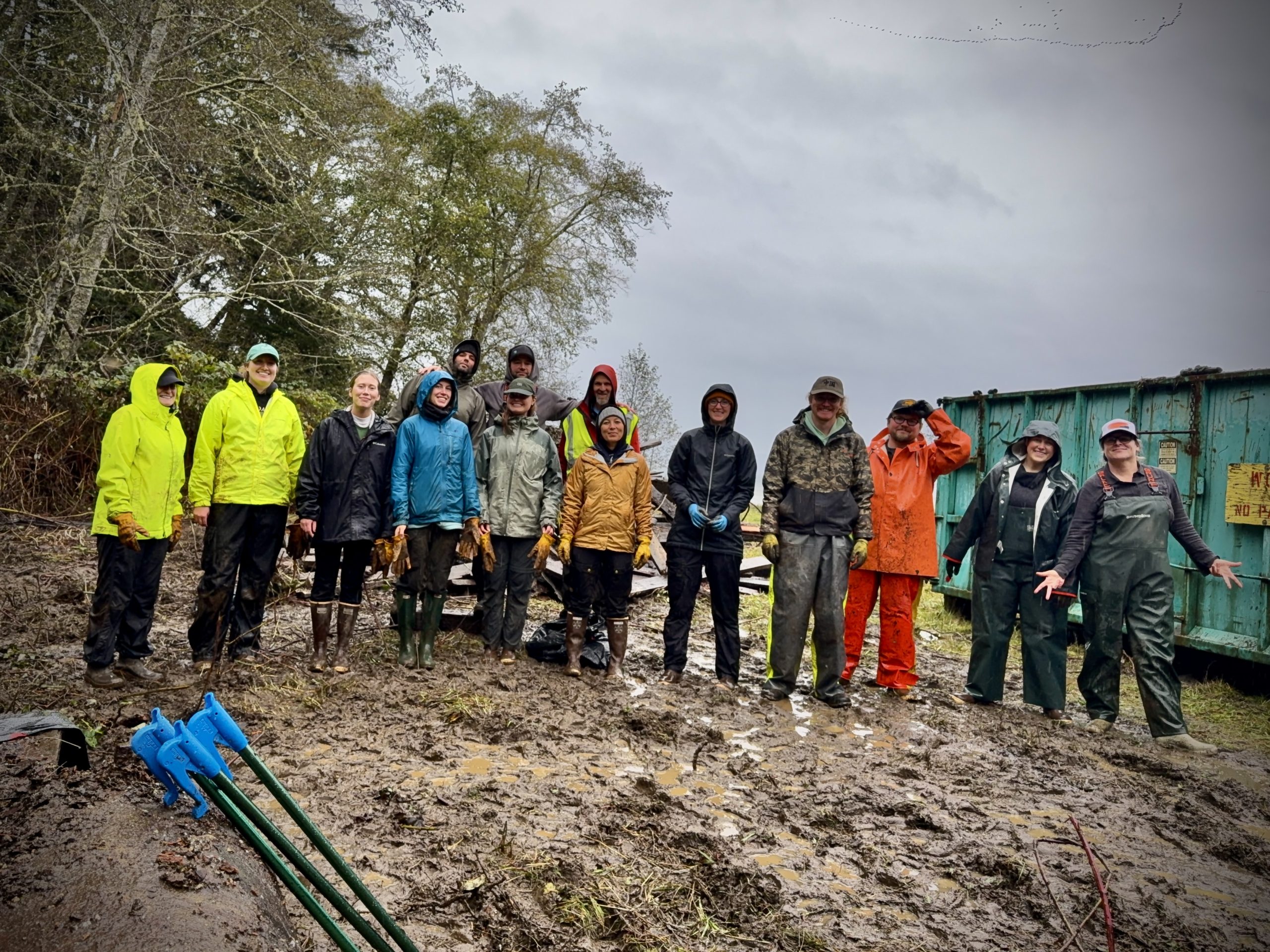
There is no shoreline in Washington that is safe from marine debris — even the most remote beaches on the Olympic Peninsula can be littered with plastic and other waste. Every year, Washington CoastSavers holds events for volunteers to pitch in cleaning up coastal beaches, with Washington Sea Grant supporting the last three years. The next event will be held August 15, in a cleanup effort co-hosted with the Quinault Indian Nation Queets community.
Marine debris is any human-made waste that ends up in oceans, large bodies of water, and along shorelines. In Washington, plastic is one of the most common forms of marine debris, affecting both coastal communities and wildlife, including seabirds, fish, and marine mammals. Debris can pollute habitats, entangle wildlife, and create hazards for vessels and navigation. Carried by wind, waves, and currents, plastics and other debris can travel long distances before washing ashore. Winter storms, in particular, can bring large amounts of debris onto Washington’s beaches.
Summer celebrations can also generate large amounts of marine debris. Earlier this summer, Washington CoastSavers worked with important partners like Washington State Parks, Grassroots Garbage Gang, and Surfrider Foundation to hold their annual clean-up following the Fourth of July, removing fireworks, plastics, and other debris from the coast before it could make its way into the ocean. This year, nearly 1,000 volunteers removed 153,000 pounds of marine debris from beaches along Washington’s Central and South Coast. Ocean Shores accounted for the largest share of debris, with more than 60,000 pounds of debris collected across four cleanup locations, nearly 40 percent of the total debris removed. Volunteers on the Long Beach Peninsula removed another 45,780 pounds, while cleanup sites around Pacific Beach and Ocean City collected 36,160 pounds.
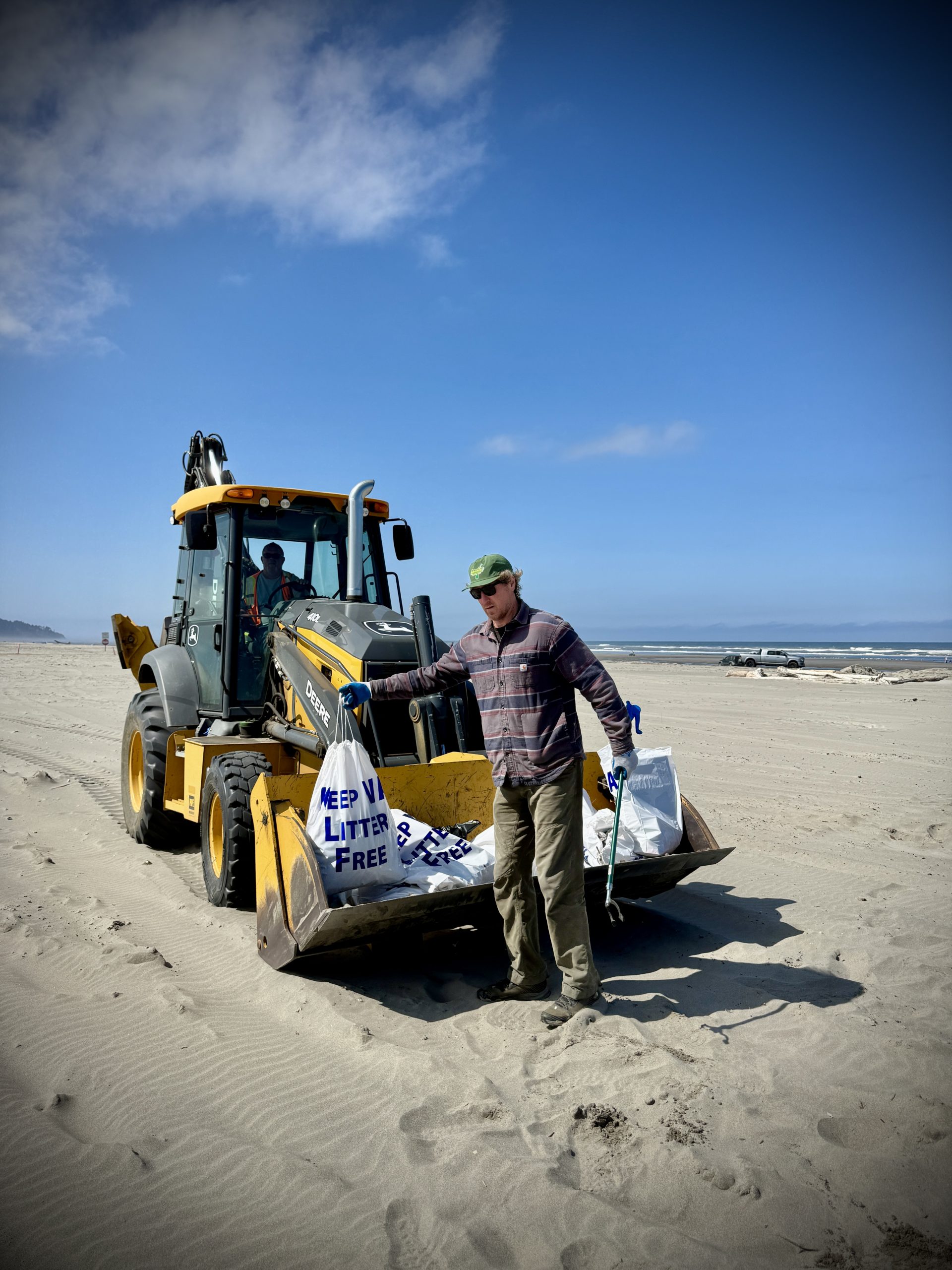
These statistics from the cleanup event capture only part of the event’s impact, as many people begin cleaning beaches on July 4 or participate without formally signing in. With dumpsters already full or nearly full before volunteers arrive on the morning of July 5, the cleanup demonstrates both the scale of holiday debris and the strong community effort to keep Washington’s coast clean.
Removing marine debris from beaches prevents the waste from being introduced into the ocean as well as protects coastlines ecosystems and residents. In 2007, NOAA awarded a grant that successfully unified Washington marine debris programs into one organization, the Washington Clean Coast Alliance, also known as Washington CoastSavers. Nearly twenty years later, CoastSavers cleanups not only have the support of thousands of dedicated volunteers, but also the partnership of local agencies, organizations, coastal treaty tribes, community groups, government funding and private donations.
CoastSavers hosts several other annual volunteer clean up events such as the Washington Coast Cleanup celebrating Earth Day, and the International Coast Cleanup (ICC) the third Saturday in September; this year’s ICC is September 19. All registration opens around a month before events take place. Volunteering can include helping run volunteer registration chick-in tables, transporting debris to dump sites, and hosting after-cleanup BBQ celebrations. To find out more about CoastSavers and how to get involved visit their website.