
Meet Amanda Rueda, 2026-2027 WSG Keystone Fellow
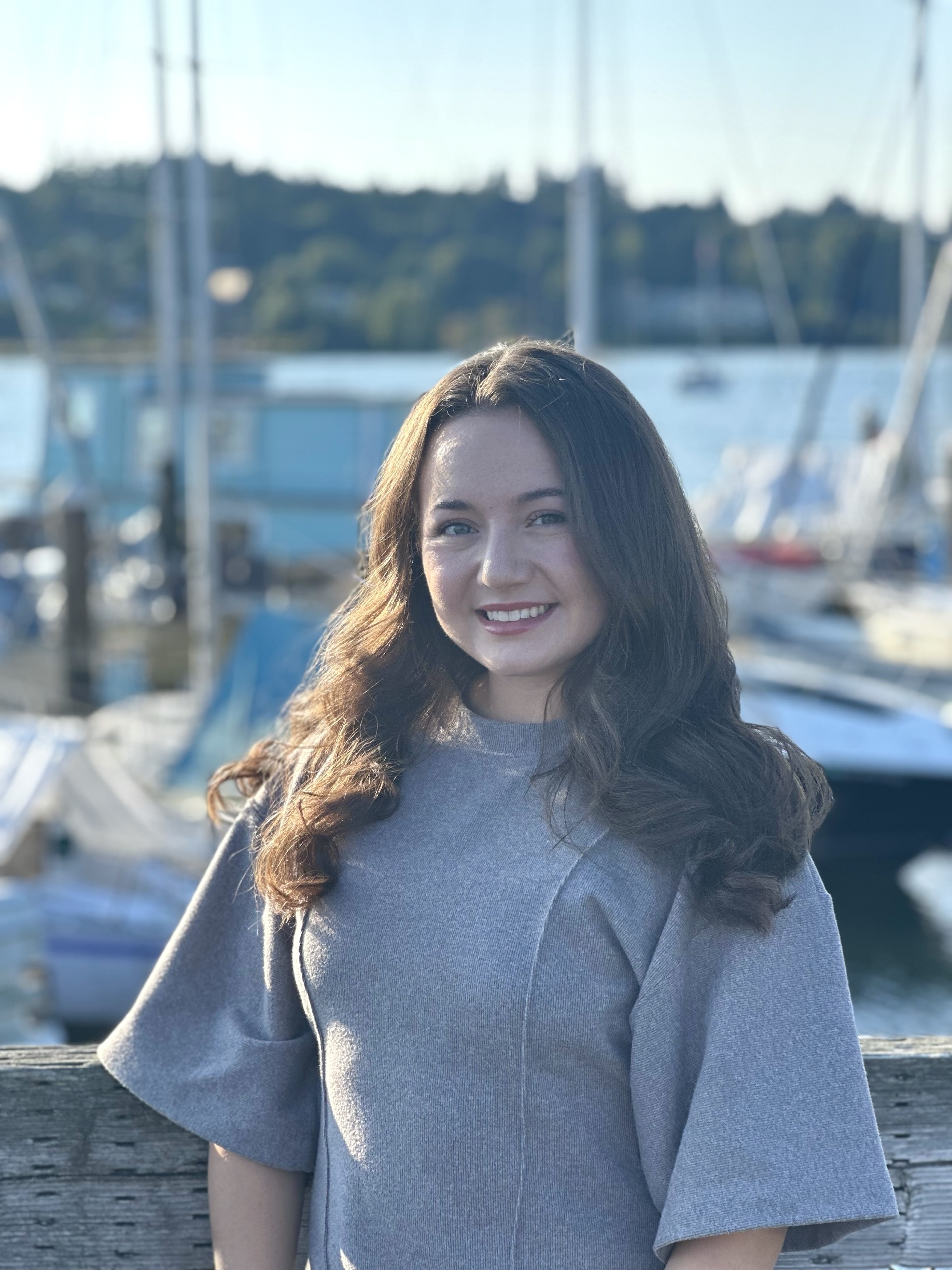 Washington Sea Grant is excited to announce that Amanda Rueda, a recent graduate of The Evergreen State College, has been selected as the 2026-2027 WSG Keystone Fellow. Amanda will be working with host Puget Sound Partnership.
The WSG Keystone Fellowship seeks to build pathways into marine science, policy and related industry careers for individuals from a wide range of backgrounds and experiences. This paid fellowship offers a unique educational opportunity by matching highly motivated and qualified individuals with host offices throughout Washington state, while first-hand experiences help fellows better understand, conserve and utilize Washington’s ocean and coastal resources. The goals of the WSG Keystone Fellowship program are: to create more pathways into marine science, policy and industry careers; identify and elevate high-potential emerging leaders in marine science and policy; and respond to relevant program or project needs of key WSG partners who share and seek to advance the goals of the WSG Keystone Fellowship program.
Amanda became interested in marine science as a kid, with a fascination for killer whales that developed into a commitment to study and conserve marine life in the Pacific Northwest, where she grew up. She earned a Bachelor of Science degree in biology with a marine emphasis from Western Washington University, getting her start in research through the Marine Mammal Ecology Lab. After graduating, Amanda worked as a long-term substitute teacher and TRIO Upward Bound instructor, supporting fellow Hispanic and first-generation students while completing internships with Sealife Response, Rehabilitation, and Research (SR3) and Pacific Mammal Research involving marine mammal photo-identification, husbandry, and stranding response.
Amanda then earned a Master of Environmental Studies degree from The Evergreen State College, where she worked with Cascadia Research Collective to study the foraging characteristics of “Sounders” gray whales in northern Puget Sound and assisted with field surveys and necropsies along the West Coast. During graduate school, she also worked as a program coordinator for the Taylor’s checkerspot butterfly captive rearing program with the Sustainability in Prisons Project, an experience that deepened her commitment to increasing access and opportunities for underrepresented communities in STEM. Amanda is thrilled to work with the Puget Sound Partnership to analyze salmon recovery projects and communicate with legislative audiences while broadening her experience in long-term restoration planning.
Congratulations, Amanda! We can’t wait to see what you accomplish.