
Fellow Spotlight: Teagan Darmody strengthens coastal resilience from the ground up
When people think about protecting Washington’s coastlines from climate change, seawalls, flood barriers, and shoreline restoration often come to mind. However, one important piece of coastal resilience is hidden underground: septic systems. As rising seas and more frequent flooding put pressure on aging septic systems, failures can increase pollution, threaten public health, and harm coastal ecosystems. Addressing these risks is the focus of Washington Sea Grant Coastal Resilience Fellow Teagan Darmody’s work.
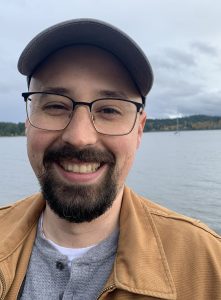
As one of Washington Sea Grant’s (WSG) 2025–2027 Coastal Resilience Fellows, Darmody is developing a policy paper that examines emerging onsite septic system technologies and explores how they can better serve Washington’s coastal communities. Working with the North Olympic Peninsula Resource Conservation and Development Council (NODC), his research will help identify policy opportunities that reduce pollution while improving community resilience.
The Coastal Resilience Fellowship places fellows with partner organizations across Washington to help communities prepare for increasing coastal hazards, such as flooding, erosion, and sea level rise. Fellows work alongside local governments, Tribal nations, and community organizations to strengthen resilience through science, planning, and collaboration. For Darmody, that collaboration happens through his placement with NODC. Alongside his policy research, he supports community engagement efforts by directly working with resident organizations.
As flooding becomes more frequent, aging onsite septic systems face greater risks of failure, allowing untreated wastewater to contaminate local waterways and coastal ecosystems. “Old failing systems are a significant part of pollution,” Darmody said. Darmody’s policy paper highlights new septic technologies that can better withstand changing conditions while reducing pollution and supporting coastal environments. His paper will also include recommendations to encourage the use of alternative technology and explore additional ways government agencies can use to support septic owners. By identifying practical solutions, his work aims to help communities make long-term investments that improve both environmental health and climate resilience.
His research complements broader long-term coastal resilience efforts already underway across Washington. While organizations like NODC help communities develop nature-based solutions and long-term adaptation strategies, Darmody’s work addresses an often-overlooked piece of coastal infrastructure. Before his fellowship concludes, Darmody hopes his policy paper will provide a useful resource for coastal decision-makers while helping strengthen partnerships that continue beyond the fellowship. Looking beyond the fellowship, Teagan plans to continue serving local Washington communities with coastal recovery. His long-term goal is “to work in local government and plan regional recovery projects through partnerships,” Darmody said. This fellowship represents another step in Darmody’s continued commitment to strengthening Washington’s coastal communities.