Five recent graduates selected for the 2026-2027 WSG Hershman Fellowship
Congratulations to our new WSG Hershman Fellows!
We are pleased to announce that five recent graduates have been awarded the Washington Sea Grant Hershman Fellowship for 2026–2027. This fellowship places highly motivated, qualified individuals with marine and coastal host offices throughout Washington, providing fellows with a unique perspective on building marine policy and allowing them to share their academic expertise with their host offices.
This year’s host offices are Washington Department of Ecology, Olympic Coast National Marine Sanctuary, The Nature Conservancy, and Puget Sound Institute. The fellows will begin working in host offices in September.
This year’s fellows are:
ALAINA MEDJO
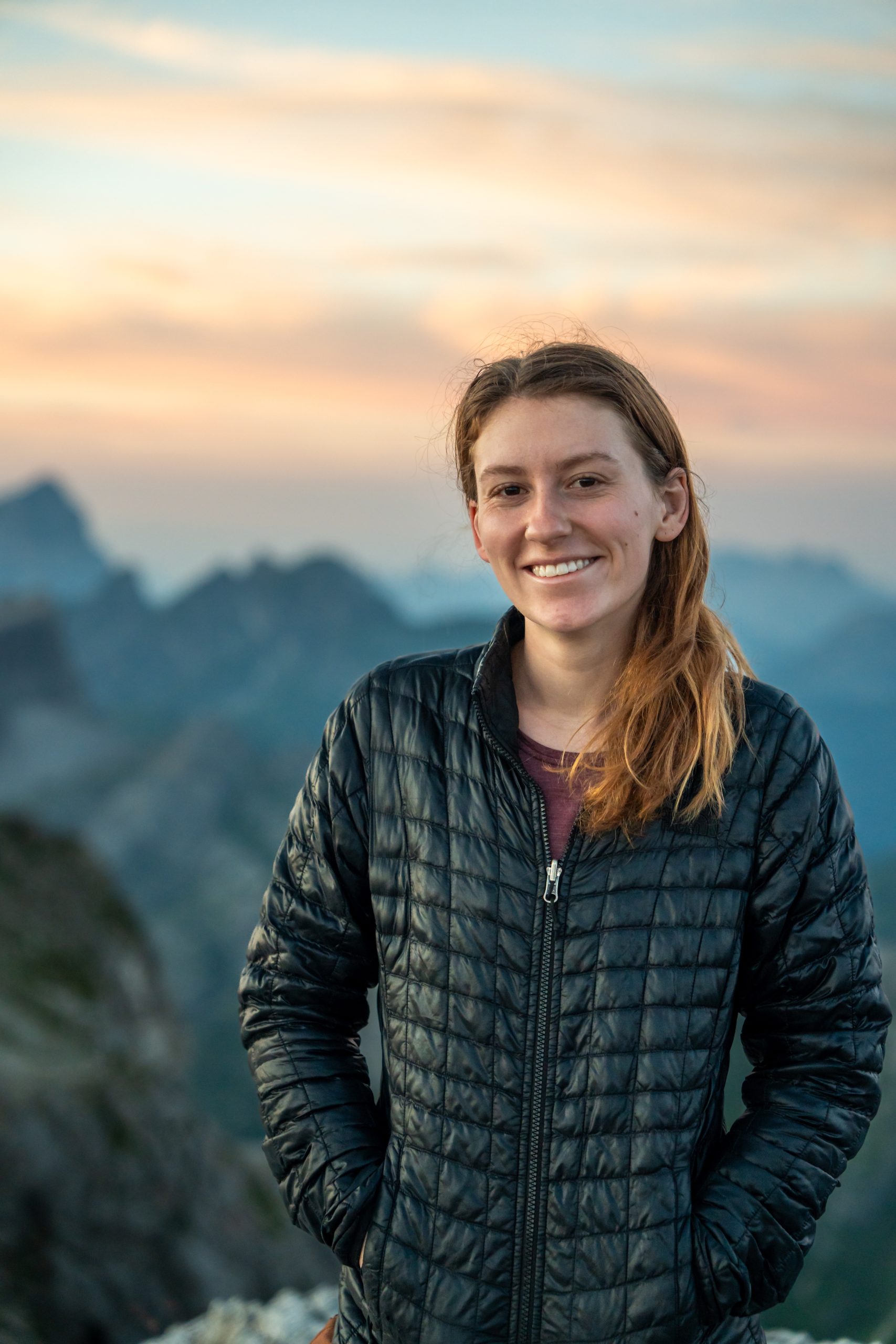 Growing up in Seattle, Alaina developed a deep appreciation for the natural world through time spent exploring the coast, forests, and mountains of the Pacific Northwest. While earning her bachelor’s degree in Interdisciplinary Studies at American University–focused on public policy, constitutional law, and criminal justice reform–she cemented a longstanding passion for advancing social justice through policy. Her decision to pursue a master’s degree was inspired by her time spent traveling throughout Southeast Asia, Europe, and parts of the Middle East, where she gained a deeper understanding of the ways communities around the world are connected to their environments and the need for effective, place-based environmental policy. Alaina earned her Master of Public Administration with a specialization in Environmental Policy and Management from the University of Washington’s Evans School of Public Policy and Governance. While at UW, she received the Environmental Policy Capstone Award for her research with the Washington Emergency Management Division on local hazard mitigation planning in coastal Washington. Across her professional, academic, and personal experiences, she is dedicated to developing solutions that strengthen communities and promote resilience. As a Hershman Fellow, Alaina is elated to work with the Washington Department of Ecology’s Spill Prevention, Preparedness, and Response Program, supporting efforts to build the program’s environmental justice capacity.
CELESTE VALDIVIA
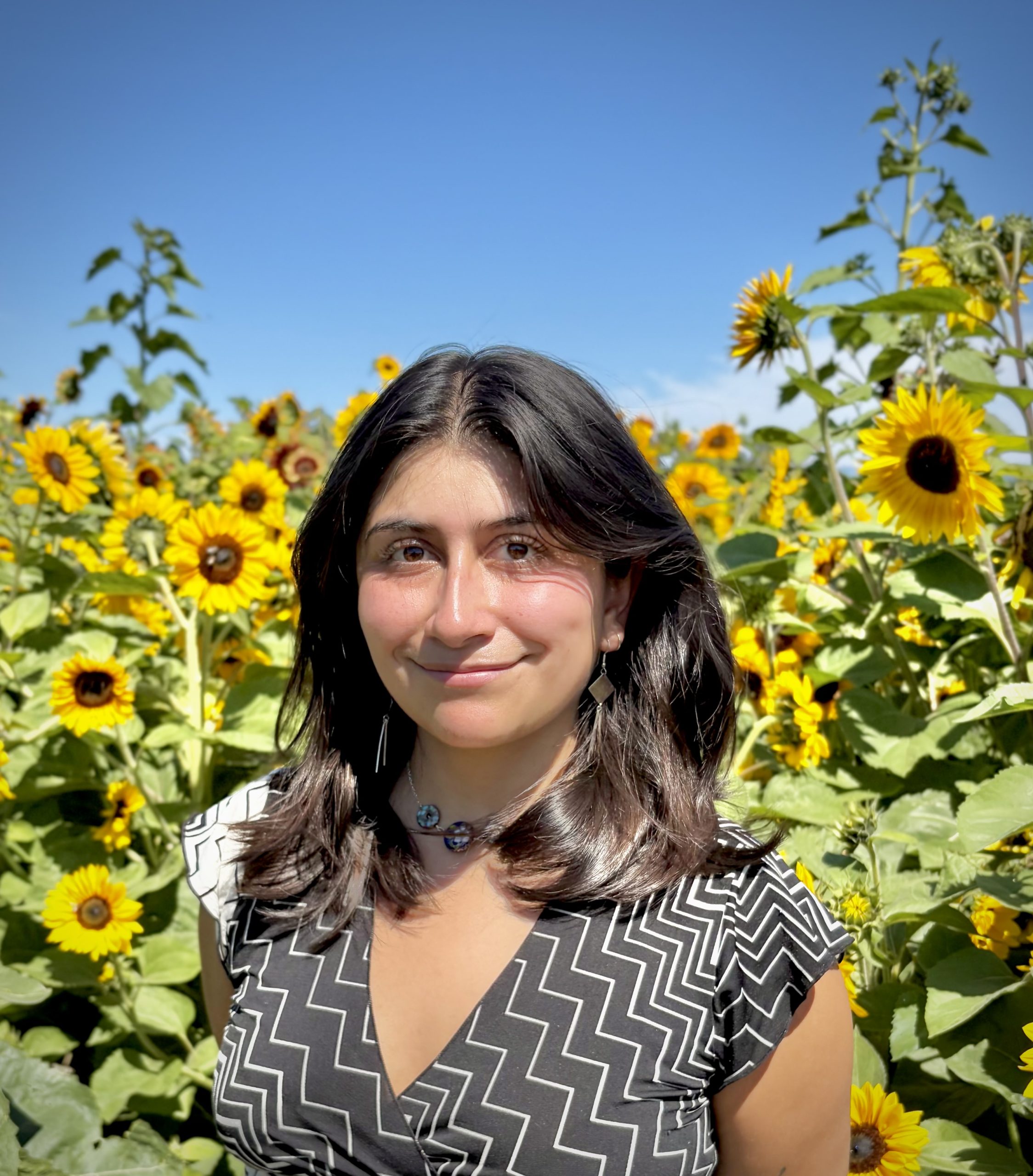 Raised between San Diego, California and Tijuana, Mexico, Celeste came to understand at an early age how the health of marine environments could reflect broader socioeconomic disparities. She went on to attend the University of California, Davis where she received her B.Sc. in animal biology and completed an undergraduate capstone thesis evaluating the developmental and behavioral impacts of a common pyrethroid pesticide on the critically endangered Delta smelt. After graduating, she remained with the same research group for an additional two years as a research technician, further developing her expertise in aquatic ecotoxicology. Working in California’s Sacramento-San Joaquin watershed deepened her understanding of how interconnected aquatic ecosystems, communities, and management of water resources could be. Seeking to further develop her ability to address pertinent issues in aquatic toxicology, she pursued a M.Sc. at the University of Washington School of Aquatic and Fishery Sciences. Here, she completed a master’s thesis evaluating the physiological, molecular, and cellular responses to nickel-induced stress in the invasive colonial marine tunicate Botryllus schlosseri. She is thrilled to have been matched as a Hershman Fellow with the Puget Sound Institute, where she will continue to explore the impacts of contaminants of emerging concern in the Puget Sound. Through the fellowship, she is excited to apply and expand her skills to research questions that directly inform regional monitoring efforts and water quality management.
EMMA KLESSIG
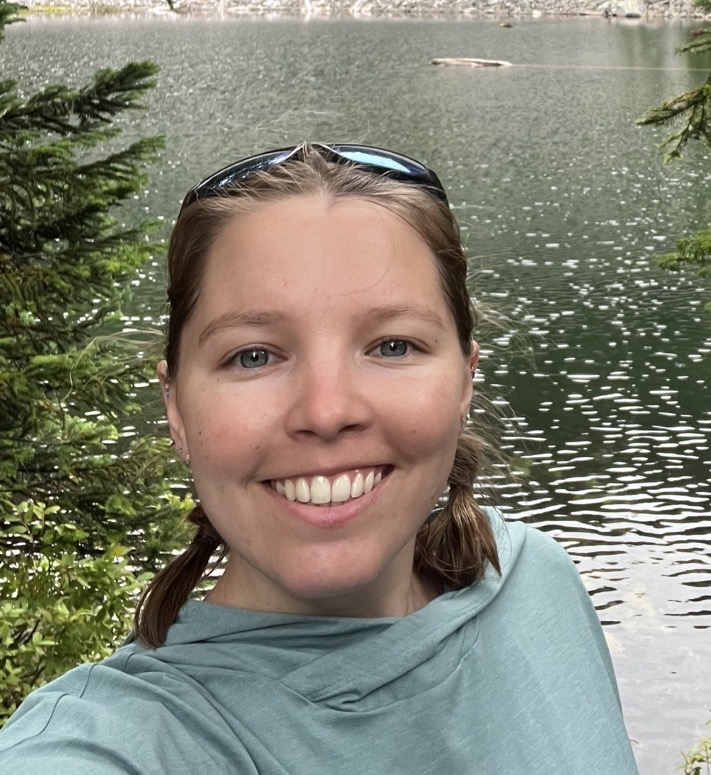 Emma holds a Master of Marine Affairs from the University of Washington and a Bachelor of Science from the University of California, Berkeley, where she studied conservation and resource studies and public policy. Prior to joining the Olympic Coast National Marine Sanctuary, she worked with Washington Sea Grant as a Student Assistant supporting the Seaweed and Aquaculture Programs, where she contributed to bilingual outreach and programming with Washington’s aquaculture industry, helped facilitate the Willapa Bay Grays Harbor Estuary Collaborative, and supported youth marine education programs.
Emma’s work focuses on the intersection of marine conservation, policy, and community engagement. Her master’s thesis examined international climate policy implementation and how national characteristics influence the strength of climate commitments under the Paris Agreement. She is passionate about supporting sustainable marine ecosystems through collaborative policy and community engagement and will contribute to the Olympic Coast National Marine Sanctuary’s conservation and community partnerships along Washington’s coast.
JANE WYBENGA
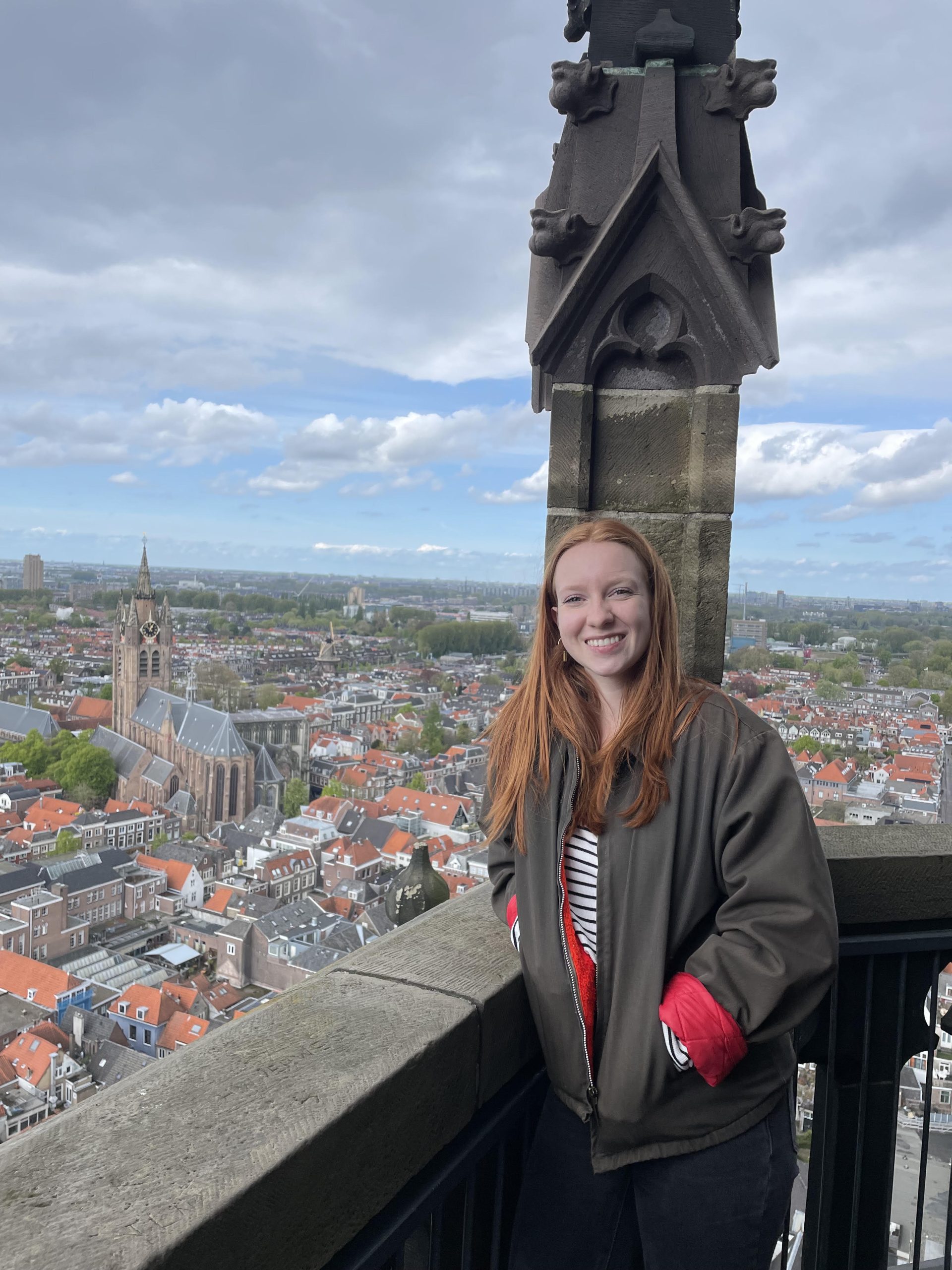 Jane was born and raised in the Pacific Northwest, where she developed an admiration for the natural world and a passion to protect it. After earning a bachelor’s degree in Environmental Studies and Spanish from Gonzaga University, she spent time working at various environmentally focused jobs in Washington, sharpening her written and oral communication skills. She recommitted to environmental work and continuous learning by earning her master’s degree from the UW School of Marine and Environmental Affairs as well as a Nonprofit Management Certificate from the Evans School of Public Policy and Governance. During graduate school, she collaborated with peers to study Tribal perspectives on offshore wind and Tribal Benefit Agreements through informational interviews with Tribal leaders, staff, and members in Oregon, Washington, and California. Jane is passionate about science communication and community and Tribal engagement. As a Hershman fellow at The Nature Conservancy, she is eager to support Indigenous-led projects that increase access to fishing and other aquaculture opportunities.
SARAH TANJA
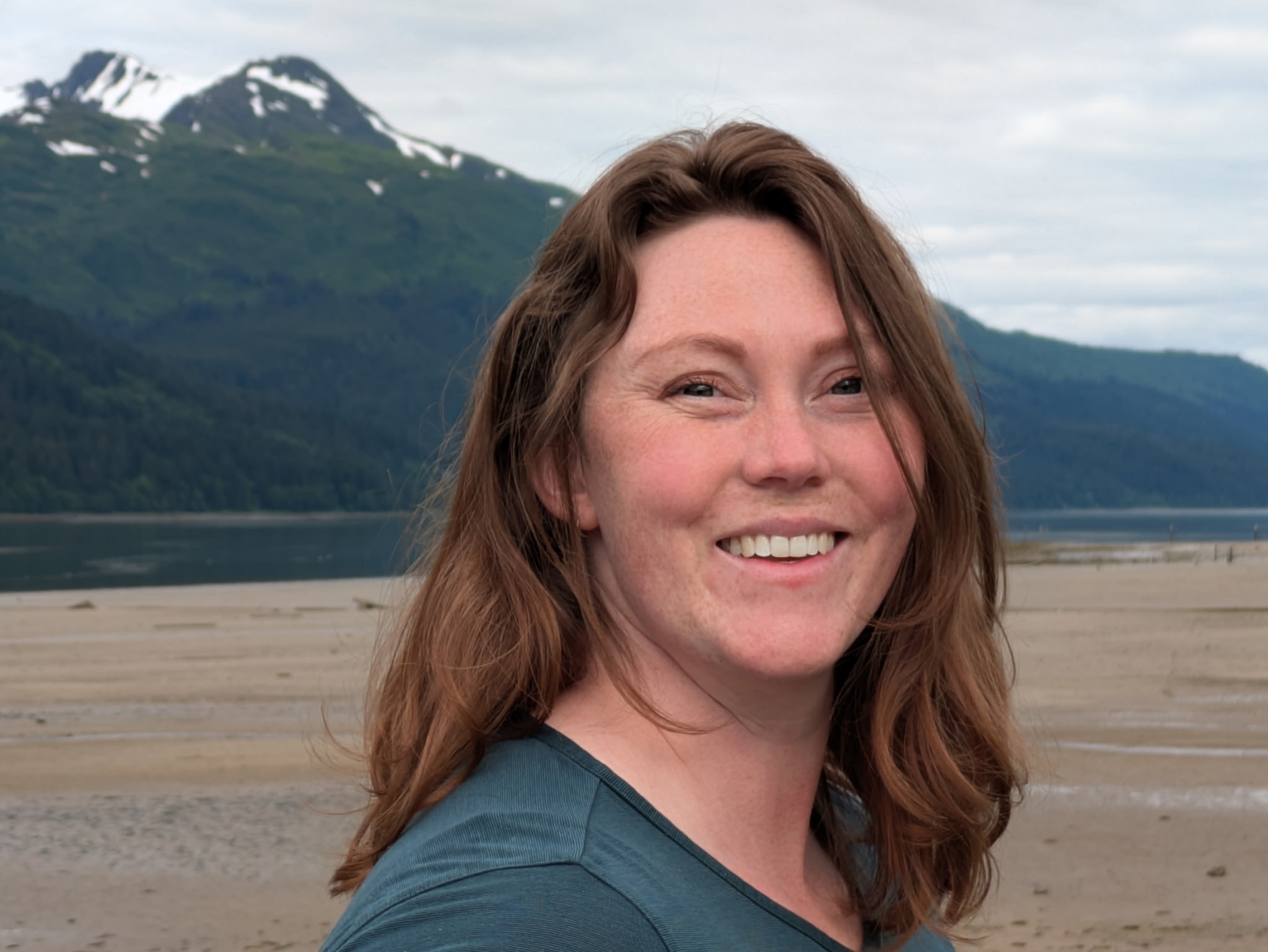 Tenacious and curious, Sarah kindled a passion for the coast as a young adult by sponging up books and attending summer marine science camps. During her undergraduate degree at the University of Portland, she delved into conservation research and management through experiential learning while building a strong base in biology and technical marine survey skills. Sarah was a Lieutenant and scientific diver in the NOAA Corps, serving on the US West Coast and Pacific Islands on fisheries and marine mammal surveys and Arctic mooring operations; receiving medals for excellence in leadership and engineering. She studied the impacts of plastic chemical pollution on embryonic development of coral at the University of Washington’s School of Aquatic & Fishery Sciences; where she also discovered fulfillment in teaching, an obsession with making beautiful graphs, and an interest in algae and its beautiful and varied forms. Sarah is originally from Juneau, Alaska; she loves rain, and getting outside to play with her husband and daughter as much as possible. As a Hershman Fellow, Sarah is thrilled to work with the Puget Sound Institute in support of a regional eelgrass and bull kelp risk assessment tool.
Congratulations, fellows! We can’t wait to see what you accomplish.